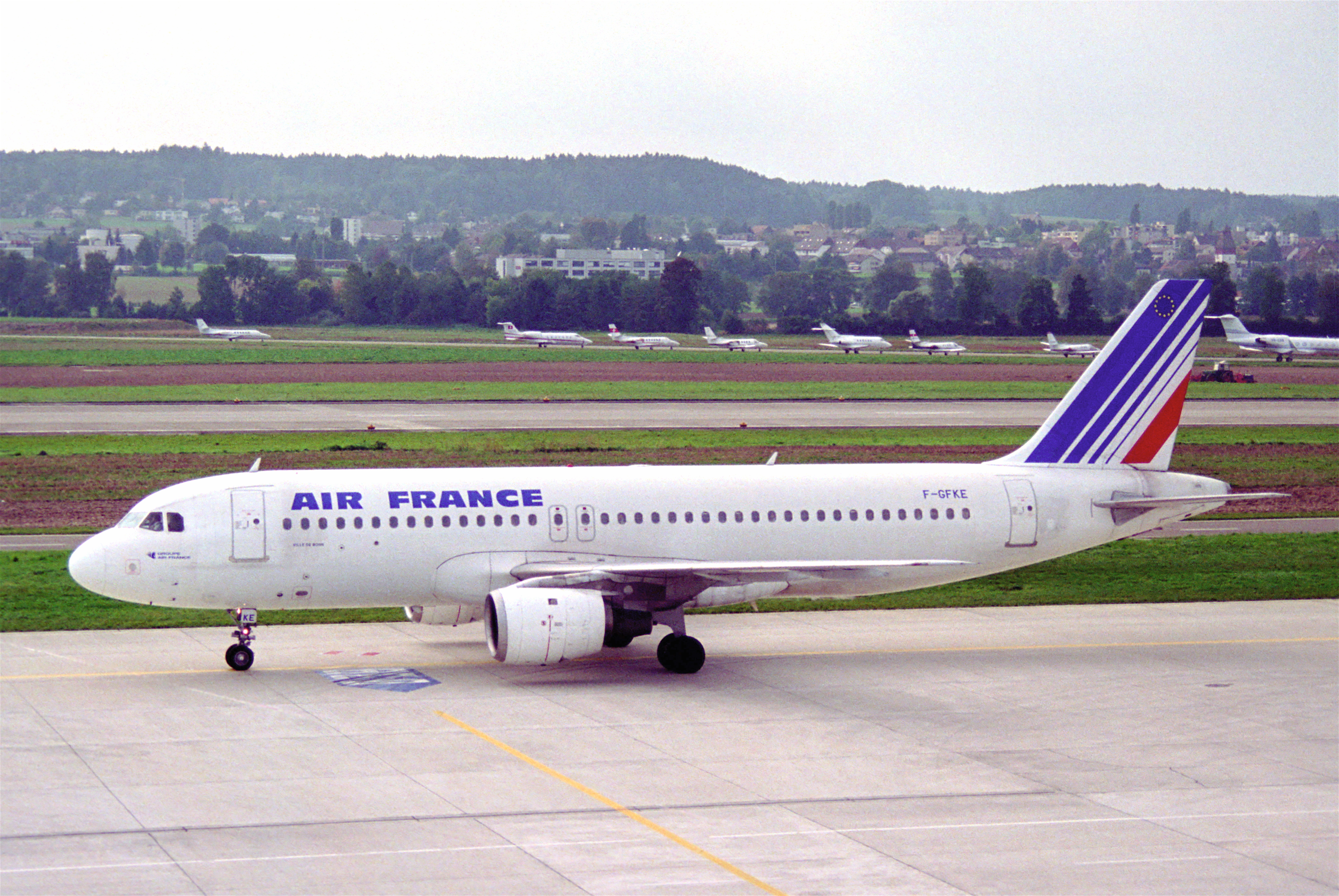
A Paris appeals court found Air France and Airbus guilty of corporate manslaughter regarding the 2009 crash of Flight 447 [1].
The verdict establishes a significant legal precedent in France by holding both a carrier and an aircraft manufacturer criminally liable for a fatal aviation disaster. This ruling follows years of litigation over the crash that occurred over the Atlantic Ocean during a flight from Rio de Janeiro to Paris [2].
The court delivered the verdict on May 21, 2024 [3]. The ruling concludes that the airline and the manufacturer were solely and entirely responsible for the aircraft's stall and subsequent crash during a storm [4]. The disaster resulted in the deaths of 228 people [5].
"Airbus and Air France were found guilty of corporate manslaughter by a Paris appeals court," the court said [6]. This decision reverses previous legal trajectories and places the burden of the tragedy on corporate negligence rather than solely on pilot error or unpredictable weather conditions.
Legal experts noted the historical weight of the decision. "The verdict marks the first corporate manslaughter conviction in French legal history," a legal analyst said [7].
The 2009 crash [8] had long been a subject of intense scrutiny regarding the design of the aircraft's airspeed indicators and the training provided to crews to handle high-altitude stalls. By finding both entities guilty, the court recognized a systemic failure spanning from the design of the plane to the operational execution of the flight [4].
While most reports confirm the conviction, some records indicate a previous acquittal by a lower judge, highlighting the complex legal journey of the case through the French judicial system [9].
“The verdict marks the first corporate manslaughter conviction in French legal history.”
This ruling shifts the legal landscape for aviation safety in France by introducing corporate manslaughter as a viable conviction for systemic failures. By holding both the manufacturer and the operator accountable, the court signals that technical design flaws and operational negligence are inextricably linked, potentially increasing the legal liability for aerospace companies worldwide when safety systems fail.


