An Air France flight from Paris to Detroit diverted to Montreal on Wednesday afternoon, May 20, 2026 [1], following U.S. travel restrictions.
The incident highlights the stringent health protocols and border controls the U.S. maintains to prevent the international transmission of high-risk pathogens. Such diversions can cause significant logistical disruptions and trigger emergency public health responses in third-party countries.
The aircraft departed from Paris Charles-de-Gaulle Airport and was originally bound for Detroit Metropolitan Airport [2]. However, U.S. authorities invoked Ebola-related travel restrictions, leading the plane to land at Montreal-Pierre Elliott Trudeau International Airport [2].
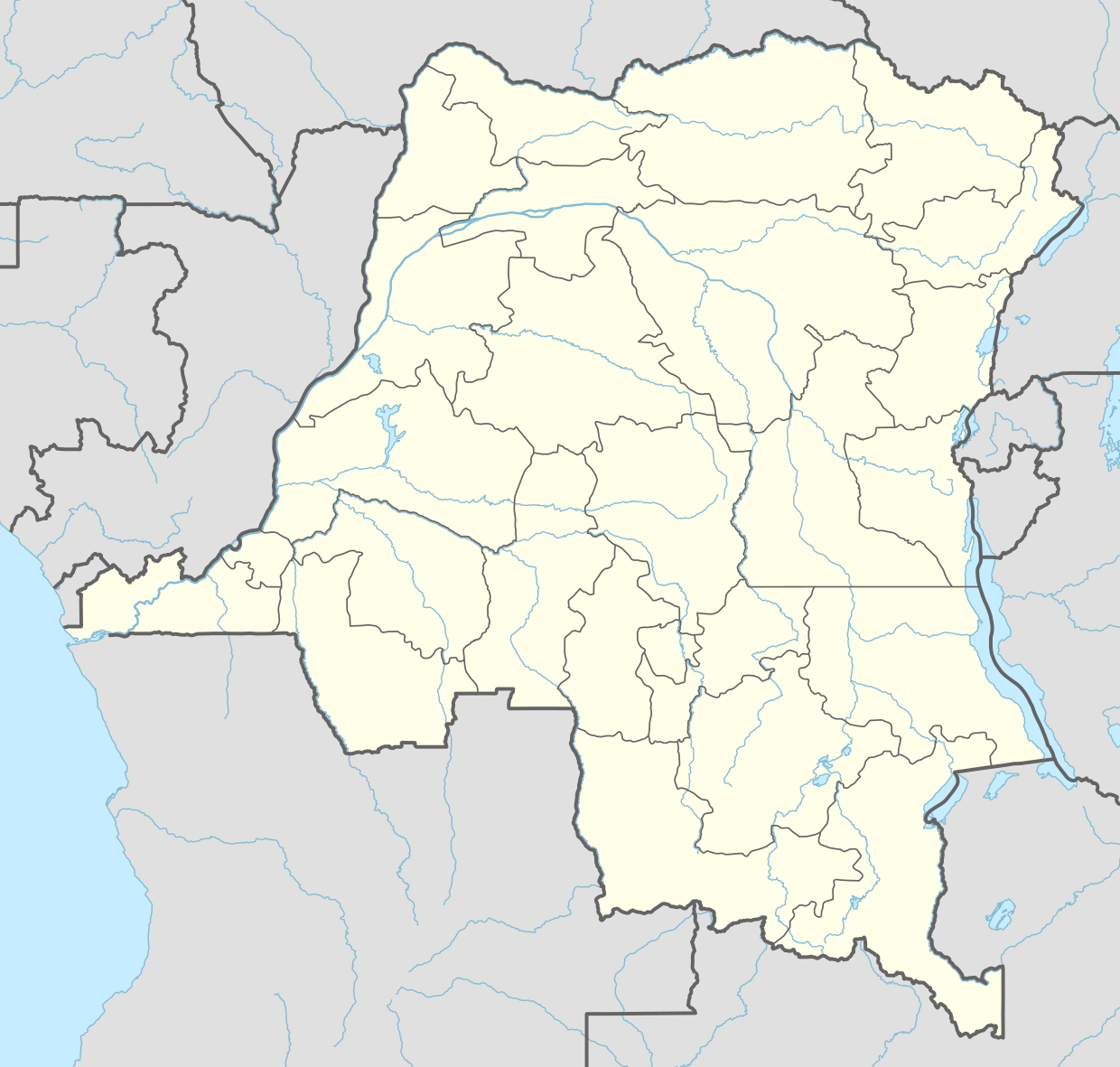
Officials said there were concerns regarding a possible Ebola virus exposure on board [3]. The restrictions were linked to a passenger from the Democratic Republic of Congo [3]. While some reports indicated the diversion was a measure to remove a specific passenger due to health concerns [4], others described it as a broader response to potential exposure among those on the flight [3].
Montreal authorities and health officials managed the arrival of the aircraft to ensure safety protocols were met. The diversion occurred as the U.S. continued to enforce strict entry requirements for travelers coming from regions with active health crises.
Air France and airport officials did not provide immediate details on the current status of the passengers or the specific health outcome of the individual from the Congo. The event underscores the tension between international air travel and the enforcement of national health security mandates, a process that often requires the cooperation of foreign governments to facilitate emergency landings.
“U.S. authorities invoked Ebola-related travel restrictions”
This event demonstrates the primacy of national health security over scheduled commercial aviation. By diverting the flight to Canada, the U.S. effectively shifted the immediate biological risk and logistical burden to a partner nation. It reflects a zero-tolerance approach to potential Ebola exposure, where the mere possibility of a case is sufficient to block an aircraft from entering U.S. airspace.


