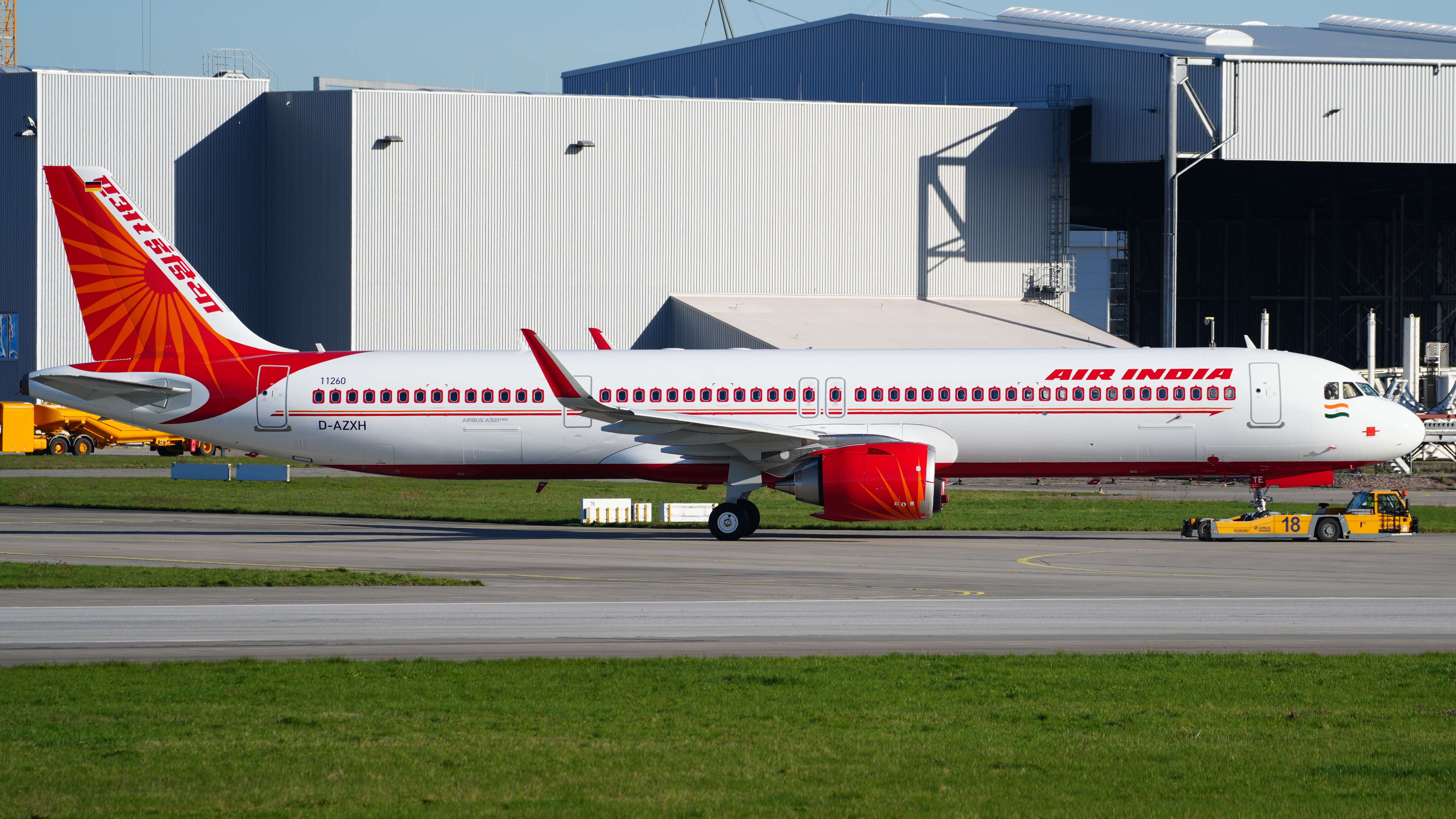
An Air India Airbus A321 flight from Delhi suffered a tail strike while landing at Kempegowda International Airport in Bengaluru on Thursday [1], [2].
Tail strikes can cause significant structural damage to the rear of an aircraft, necessitating rigorous safety inspections before a plane can return to service. This incident triggers a mandatory regulatory review to determine if pilot error or environmental factors contributed to the event.
Flight AI2651 [3] touched down on May 21, 2026 [4], when the rear section of the fuselage made contact with the runway. An Air India spokesperson said, "All passengers and crew remain safe" [5].
The aircraft was grounded for inspection following the landing [6]. While some reports did not specify the cause, other accounts attributed the tail strike to wake turbulence, the disturbance in the air left behind by another aircraft [7].
The Directorate General of Civil Aviation (DGCA) has launched an investigation into the incident [8]. The agency will examine flight data and cockpit recordings to establish the exact sequence of events leading to the runway contact.
An Air India spokesperson said, "The matter will be investigated in accordance with established procedures and in coordination with the relevant regulatory authorities" [9].
The incident occurred during the final phase of the approach to the Bengaluru airport. A reporter from IndiaTV News said, "The flight reported a tail strike after landing at the Kempegowda International Airport in Bengaluru" [10].
“All passengers and crew remain safe.”
A tail strike is a serious aviation occurrence that can compromise the integrity of the pressure bulkhead. The DGCA's involvement ensures that the cause—whether wake turbulence or a landing flare error—is documented to prevent future occurrences. The grounding of the Airbus A321 is a standard safety protocol to ensure the airframe remains airworthy.


