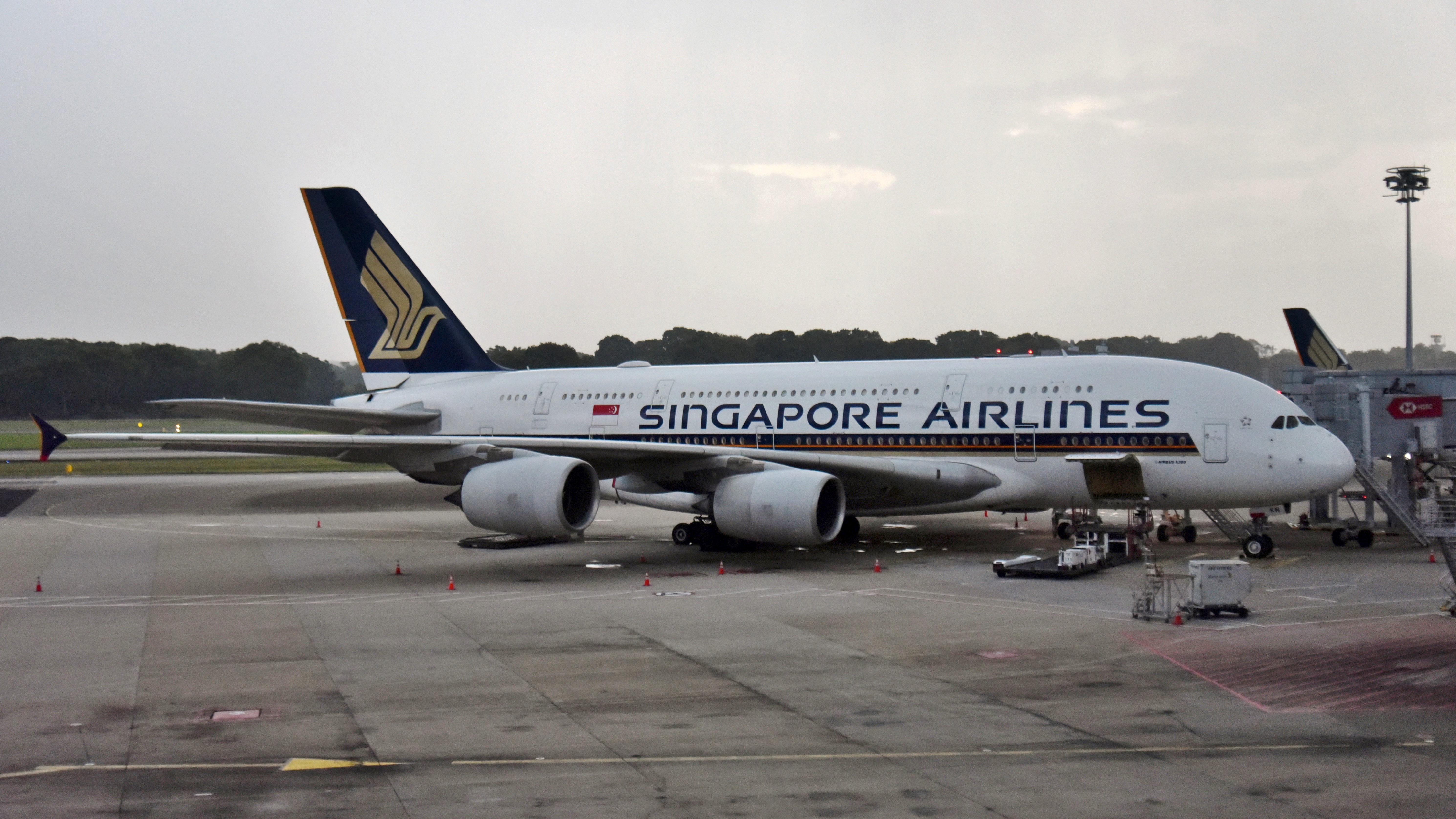
Airlines worldwide are replacing the Airbus A380 with long-haul twin-engine aircraft to reduce operating costs and improve fuel efficiency.
This shift marks a fundamental change in global aviation strategy. For years, the industry relied on massive capacity to move passengers, but the economic reality of fuel consumption and maintenance has made smaller, more efficient jets more attractive for high-capacity routes.
Twin-engine jets provide better fuel efficiency compared with the four-engine A380 [1, 2]. This transition is ongoing across global high-capacity, long-haul routes [4]. While the A380 was introduced in 2007 [1], the industry has moved toward aircraft that offer a better balance of passenger volume and cost-effectiveness [1, 2].
Some carriers are setting firm deadlines for the transition. Qantas plans to retire its A380 fleet by 2032 [3]. This timeline signals the eventual end of the double-decker era for the Australian carrier.
Other airlines have taken different approaches to prolong the life of their fleets. Emirates has invested in a multi-billion-dollar retrofit programme to modernize its A380 aircraft [5]. This investment aims to keep the fleet competitive even as other airlines move toward twin-engine alternatives.
Maintenance challenges have also played a role in the aircraft's lifecycle. Recently, 16 aircraft were subject to expanded wing-crack inspections [6]. Such technical requirements add to the operational burden of maintaining the world's largest passenger plane.
Despite these challenges, the A380 remains a symbol of aviation ambition. However, the trend toward twin-engine efficiency is now the dominant force shaping the future of long-distance travel [1, 2].
“Twin-engine jets provide better fuel efficiency and lower operating costs compared with the four-engine A380.”
The transition from the A380 to twin-engine aircraft reflects a broader industry pivot from 'hub-and-spoke' models toward 'point-to-point' travel. By using smaller, more efficient planes, airlines can serve more diverse destinations without the risk of flying half-empty giant aircraft, ultimately lowering the cost per seat and reducing the carbon footprint of long-haul aviation.