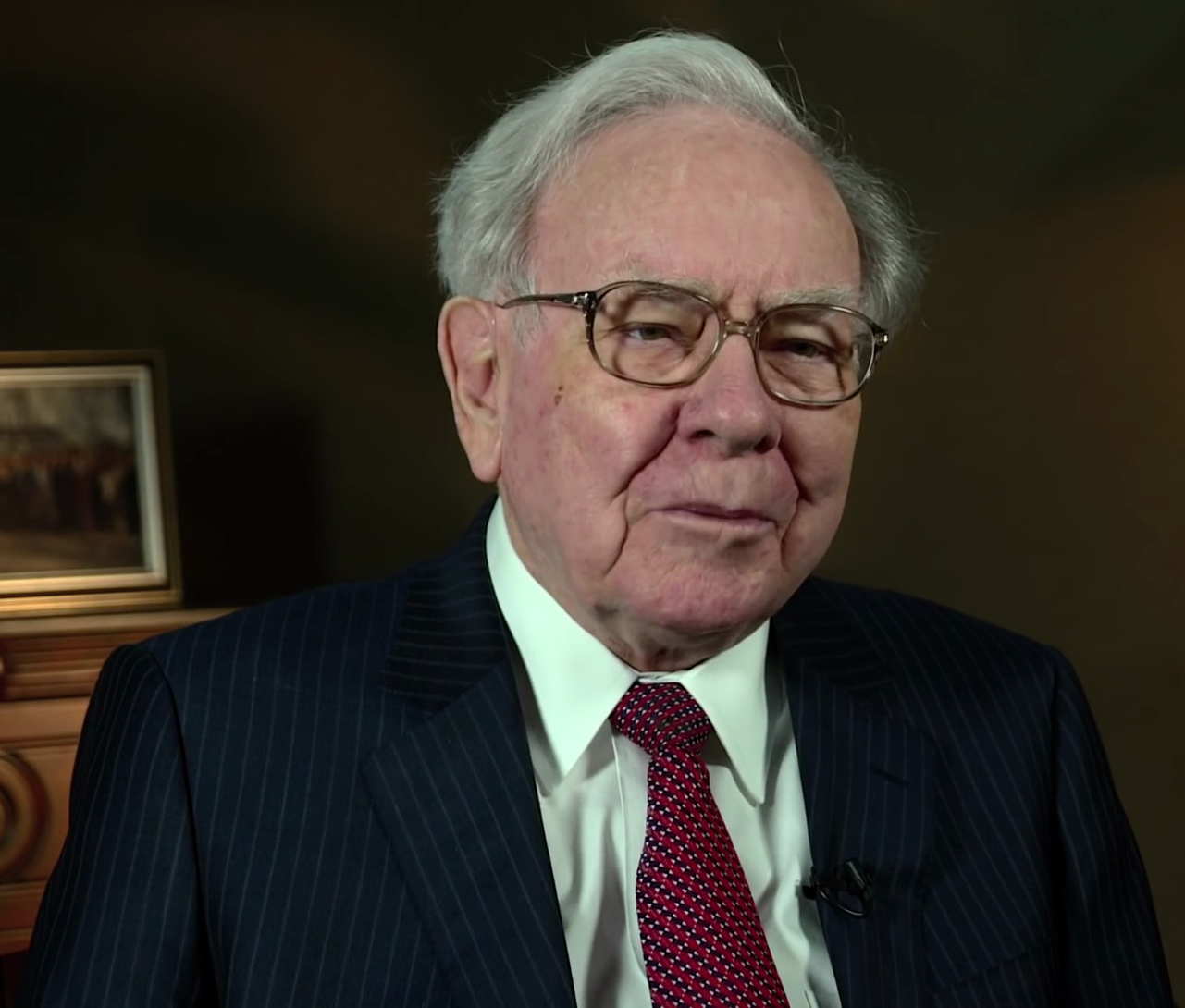
Ajit Jain said artificial intelligence will not be able to tell investors which stocks to buy or sell.
The statement comes as financial institutions increasingly integrate generative AI into their analysis tools to identify market trends and value companies. Jain's skepticism suggests that human judgment remains indispensable for long-term value investing, a cornerstone of the Berkshire Hathaway philosophy.
Jain, the chief insurance underwriter of Berkshire Hathaway, said these views during the company's annual meeting in 2026 [1]. While AI can process vast amounts of data at speeds impossible for humans, the ability to predict specific stock movements involves nuances that algorithms may struggle to capture.
Investment strategies at Berkshire Hathaway have historically relied on fundamental analysis and the ability to assess management quality. Jain's comments indicate that the firm does not view AI as a replacement for the critical thinking required to make high-stakes capital allocations.
The 2026 [1] meeting served as a forum for discussing the future of the company and the evolving role of technology in the global economy. Throughout the session, the focus remained on the limitations of automated systems when compared to the experience of seasoned underwriters and investors.
As AI continues to permeate the stock market through high-frequency trading and predictive modeling, the perspective of leaders like Jain provides a counterpoint to the narrative of total automation. He said that the complexity of the market prevents AI from offering definitive buy or sell instructions.
“AI will not be able to tell investors which stocks to buy or sell”
This perspective highlights a growing divide between quantitative, AI-driven trading and qualitative value investing. By asserting that AI cannot dictate stock picks, Jain reinforces the belief that market anomalies and human leadership qualities are variables that cannot be fully quantified by current large language models or predictive algorithms.