
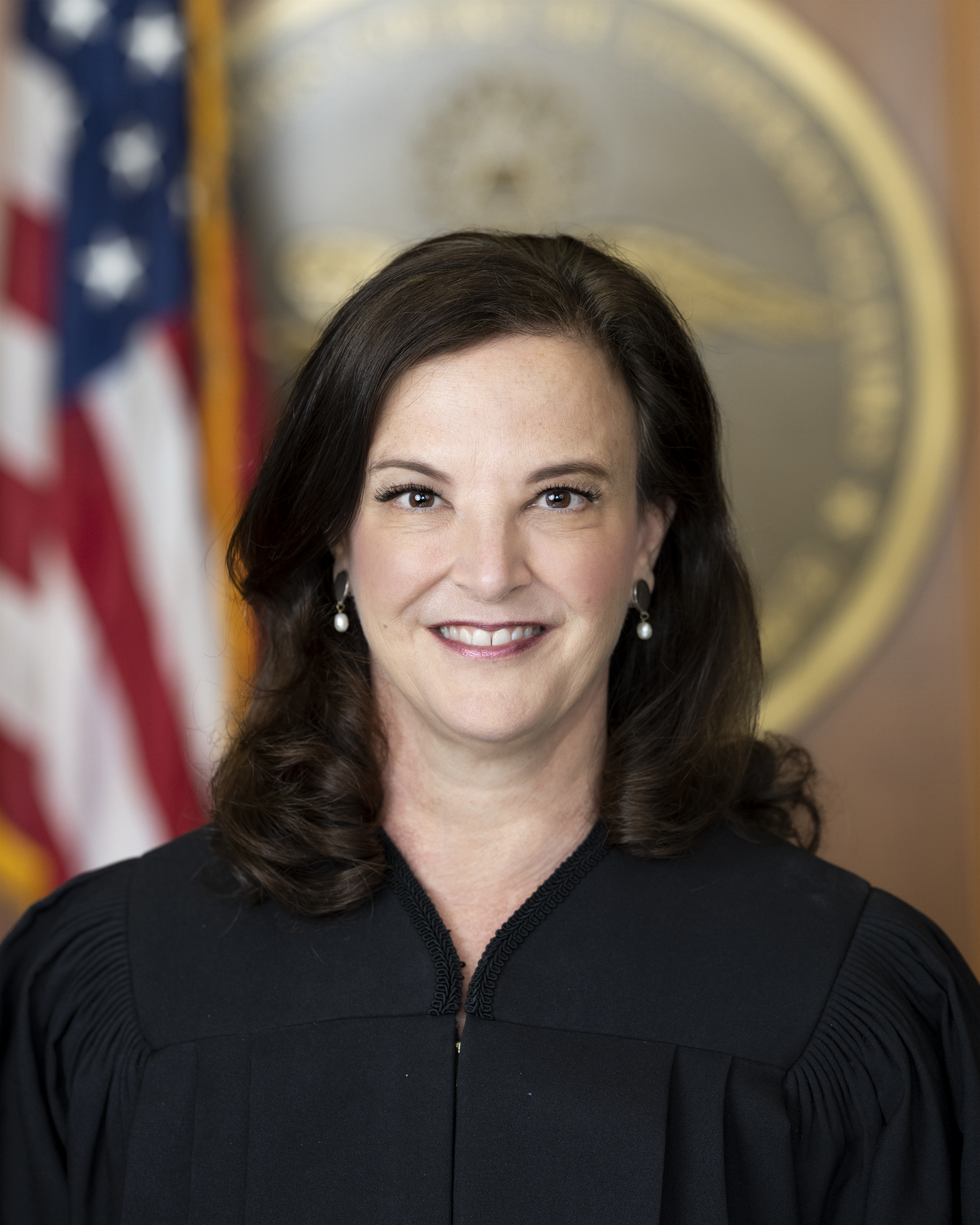
A three-judge federal panel blocked Alabama from using a GOP-drawn congressional redistricting map on Tuesday, May 26, 2026 [1].
The ruling prevents the state from implementing a map that would reduce the representation of Black voters in the U.S. House of Representatives. By requiring the creation of a second majority-Black district, the court aims to ensure the state adheres to federal voting protections.
The panel of three judges [1] issued a preliminary injunction against the 2023 congressional map [3]. The court said that the plan discriminated on the basis of race and violated the Voting Rights Act by eliminating one majority-Black district [5].
Under the court's order, Alabama must instead utilize a map that includes two majority-Black districts [2]. This decision reverses the efforts of the state legislature to consolidate minority voting power into a single district.
The legal challenge centered on whether the 2023 map unfairly diluted the influence of Black voters. The judges said that the map's structure created an unlawful barrier to fair representation, a move the court deemed a violation of federal law [5].
The state had previously argued that the 2023 map was a lawful exercise of redistricting authority. However, the federal court said those justifications were insufficient to override the protections afforded by the Voting Rights Act [1].
“The court found the map discriminated on the basis of race”
This ruling reinforces the Voting Rights Act's role in preventing 'racial gerrymandering,' where district lines are drawn to dilute the voting power of minority groups. By mandating two majority-Black districts, the court is ensuring that Alabama's congressional delegation more accurately reflects its demographic makeup, likely altering the political competitiveness of the state's House seats in upcoming elections.


