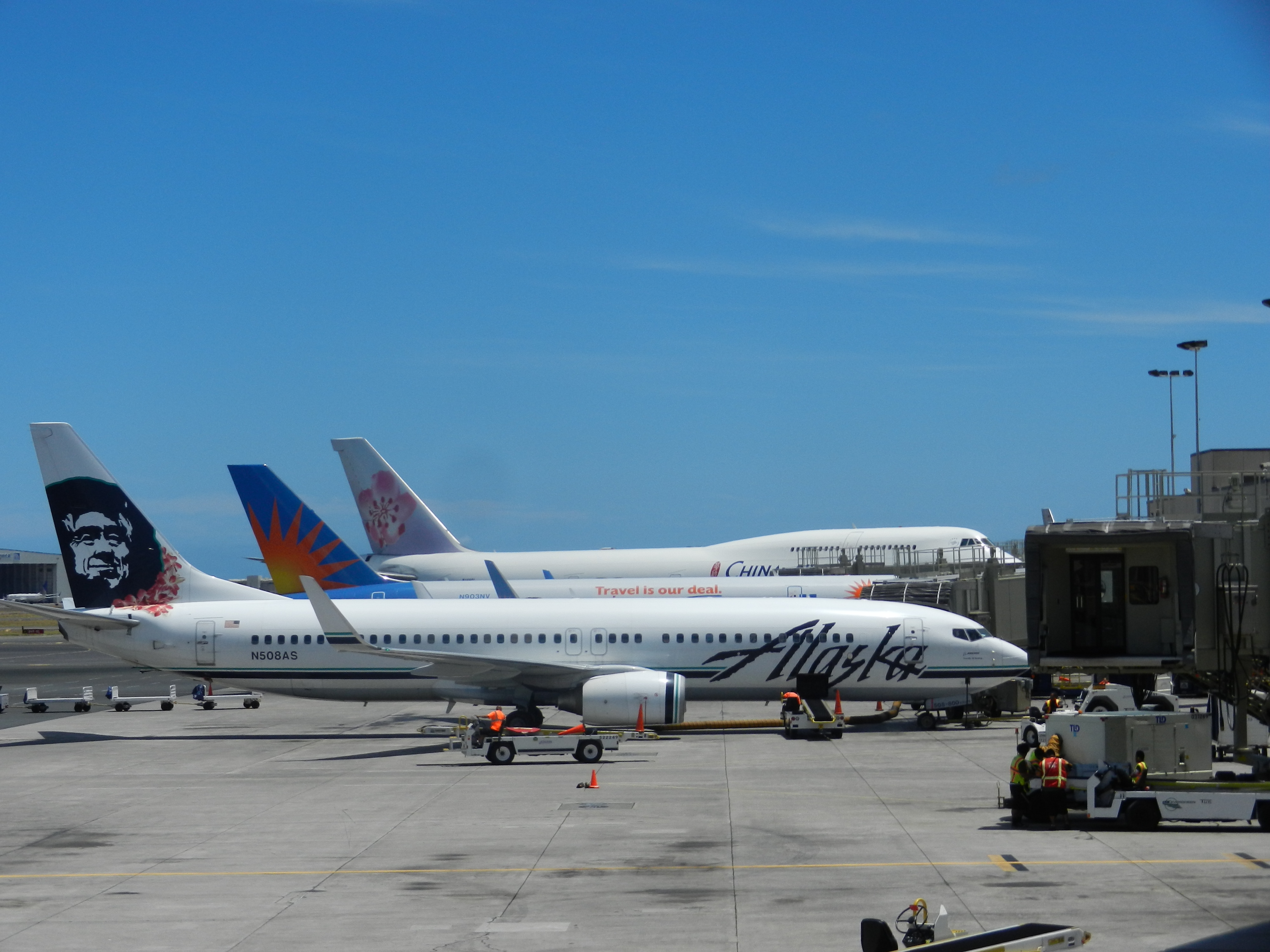
Alaska Air Group, Inc. suspended its 2026 financial guidance on April 20, 2026, following a significant net loss in the first quarter [1].
The move signals the company's inability to predict future earnings amid extreme volatility in energy markets and regional instability. This uncertainty threatens the airline's profit margins and operational stability during a critical growth period.
Alaska Air Group reported a net first quarter loss of $193 million [2]. The company said the financial hit was due to a combination of high fuel costs and travel demand fluctuations [2]. These costs were exacerbated by the war in Iran, which triggered unpredictable changes in oil prices [1].
Beyond fuel costs, the airline faced operational disruptions that impacted its 2026 first quarter environment [4]. These disruptions included unrest in Puerto Vallarta and storms in Hawaii [4]. The cumulative effect of these geopolitical and weather-related events forced the company to reevaluate its financial outlook.
In a statement regarding the decision, the company said, "Until conditions stabilize and we have better sight to earnings beyond the current quarter, we have suspended full-year guidance" [3].
The suspension of guidance reflects the direct impact of global conflict on the aviation industry. Fuel typically represents one of the largest operating expenses for airlines, and the current volatility in the Middle East has made long-term budgeting nearly impossible for the carrier [3].
“Alaska Air Group reported a net first quarter loss of $193 million.”
The suspension of financial guidance indicates that Alaska Air Group is unable to hedge against the current volatility of oil prices caused by geopolitical conflict. When a major carrier withdraws its forecast, it typically signals to investors that the external risks—such as war-driven fuel spikes and regional instability—outweigh the company's internal ability to control costs.
'%2F%3E%0A%20%20%20%20%3Crect%20width%3D'1600'%20height%3D'900'%20fill%3D'url(%23v)'%2F%3E%0A%20%20%20%20%3Cg%20opacity%3D'0.08'%20fill%3D'%23ffffff'%3E%0A%20%20%20%20%20%20%3Ccircle%20cx%3D'1420'%20cy%3D'180'%20r%3D'220'%2F%3E%0A%20%20%20%20%20%20%3Ccircle%20cx%3D'1500'%20cy%3D'760'%20r%3D'120'%2F%3E%0A%20%20%20%20%3C%2Fg%3E%0A%20%20%20%20%3Cline%20x1%3D'80'%20y1%3D'172'%20x2%3D'220'%20y2%3D'172'%20stroke%3D'%23ffffff'%20stroke-width%3D'3'%20stroke-opacity%3D'0.6'%2F%3E%0A%20%20%20%20%3Ctext%20x%3D'80'%20y%3D'140'%20font-family%3D'Inter%2C%20-apple-system%2C%20Helvetica%2C%20sans-serif'%20font-weight%3D'700'%20font-size%3D'28'%20fill%3D'%23ffffff'%20letter-spacing%3D'6'%3EHANNA%20%C2%B7%20NEWS%3C%2Ftext%3E%0A%20%20%20%20%3Ctext%20x%3D'80'%20y%3D'230'%20font-family%3D'Inter%2C%20-apple-system%2C%20Helvetica%2C%20sans-serif'%20font-weight%3D'600'%20font-size%3D'40'%20fill%3D'%23ffffffb3'%20letter-spacing%3D'4'%3EBUSINESS%3C%2Ftext%3E%0A%20%20%20%20%3Ctext%20x%3D'80'%20y%3D'622'%20font-family%3D'Playfair%20Display%2C%20Georgia%2C%20serif'%20font-weight%3D'800'%20font-size%3D'86'%20fill%3D'%23ffffff'%20letter-spacing%3D'-1'%3EChild%20killed%20after%20tree%3C%2Ftext%3E%3Ctext%20x%3D'80'%20y%3D'721'%20font-family%3D'Playfair%20Display%2C%20Georgia%2C%20serif'%20font-weight%3D'800'%20font-size%3D'86'%20fill%3D'%23ffffff'%20letter-spacing%3D'-1'%3Efalls%20on%20school%20bus%20in%3C%2Ftext%3E%3Ctext%20x%3D'80'%20y%3D'820'%20font-family%3D'Playfair%20Display%2C%20Georgia%2C%20serif'%20font-weight%3D'800'%20font-size%3D'86'%20fill%3D'%23ffffff'%20letter-spacing%3D'-1'%3EMumbai%3C%2Ftext%3E%0A%20%20%20%20%3Ctext%20x%3D'80'%20y%3D'870'%20font-family%3D'Inter%2C%20-apple-system%2C%20Helvetica%2C%20sans-serif'%20font-weight%3D'500'%20font-size%3D'22'%20fill%3D'%23ffffff66'%20letter-spacing%3D'2'%3Enews.hanna-ai.com%3C%2Ftext%3E%0A%20%20%3C%2Fsvg%3E)