Australian Prime Minister Anthony Albanese faced criticism for his reception of Japanese Prime Minister Sanae Takaichi during her visit to Canberra.
The interaction is viewed as a missed opportunity to strengthen diplomatic ties with a key regional ally during a leadership transition in Japan.
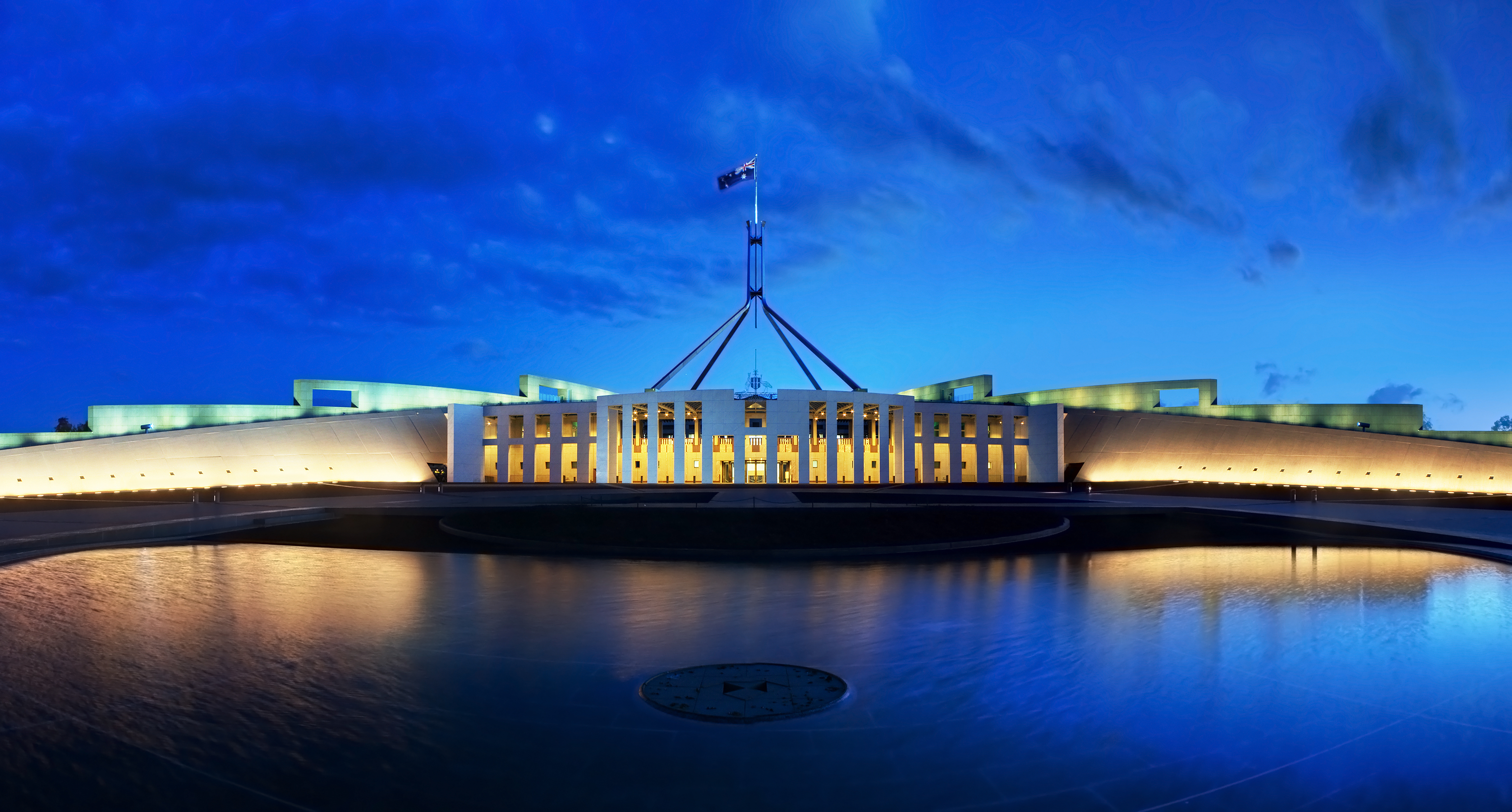
Greg Sheridan, the Australian Foreign Editor, described the welcome given to Takaichi at the Australian Parliament as "unimpressive" and "undercooked," he said [1]. Sheridan emphasized the strategic importance of the relationship, noting that Takaichi is now a pivotal figure in the future of Australia [1].
According to Sheridan, the lack of formality was particularly notable given the rarity of such visits. He said that only one Japanese prime minister in history has addressed the Australian Parliament [1].
While the official itinerary was carried out, the perceived lack of ceremony has drawn scrutiny regarding how Australia manages its high-level diplomatic engagements. The criticism centers on whether the reception matched the geopolitical weight of Takaichi's role as the new leader of Japan [1].
Sheridan's critique suggests that the Australian government failed to leverage the symbolic power of a parliamentary address to solidify the bilateral bond. He said, "I think we absolutely undercooked that visit" [1].
“I think we absolutely undercooked that visit.”
The criticism reflects a tension between low-key diplomatic protocol and the symbolic expectations of strategic partnerships. In the Indo-Pacific region, the perceived 'temperature' of a diplomatic welcome is often interpreted as a signal of the strength or priority of the relationship, suggesting that a lack of formality could be read as a lack of strategic urgency.


