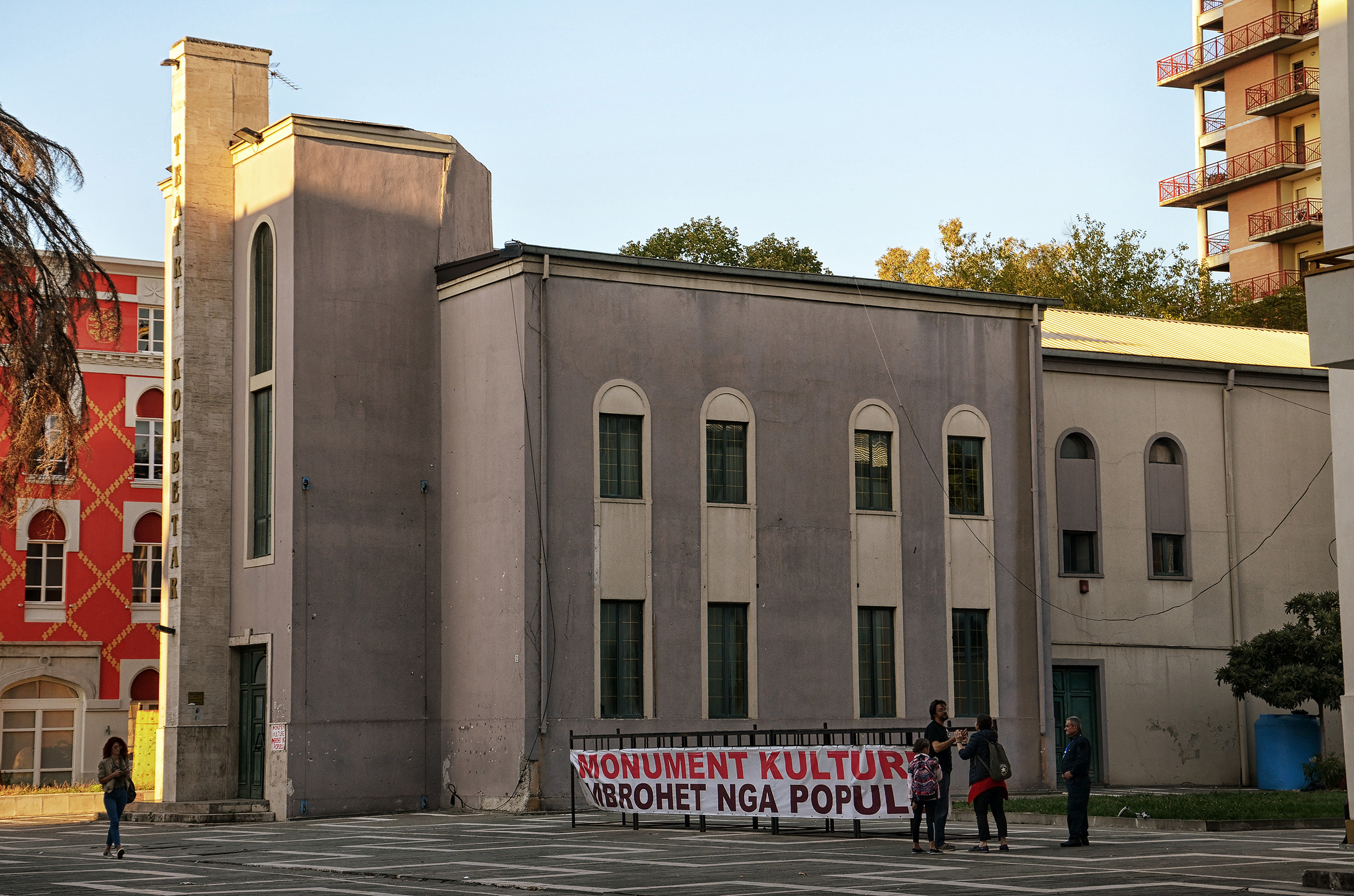
Thousands of people [1] gathered in Tirana on Tuesday to protest a luxury resort project linked to Jared Kushner.
The demonstrations signal growing public opposition to large-scale coastal developments that critics argue prioritize foreign investment over the preservation of Albania's natural environment. This tension highlights a broader conflict between the government's desire for economic growth and the ecological stability of the region.
Demonstrators and environmental groups converged in the capital to voice their concerns. The protests, which entered their second day on Tuesday [1], [2], focused on a development project slated for the Albanian coast. Participants said the luxury resort could cause significant damage to the shoreline [3], [4], [5].
The project is linked to Jared Kushner, the son-in-law of former U.S. President Donald Trump. The involvement of a high-profile U.S. figure has increased the visibility of the project, drawing international attention to the local environmental struggle.
Environmentalists said the construction of such a massive complex would disrupt local ecosystems. They said the development of the coastline threatens biodiversity, and the long-term health of the coastal waters [3], [5].
Local groups have called for a halt to the project until a comprehensive environmental impact assessment is conducted and reviewed by independent experts. The protests in Tirana serve as a focal point for these demands, as activists seek to prevent the permanent alteration of the landscape [3], [4].
Officials have not yet provided a formal response to the specific demands of the protesters. The movement continues to gain momentum as more environmental organizations join the call to protect the Albanian coast from luxury development [1], [2].
“Thousands of people gathered in Tirana on Tuesday to protest a luxury resort project linked to Jared Kushner.”
The protests reflect a growing trend of 'green' resistance against the globalization of luxury real estate in developing coastal regions. By linking the project to a prominent U.S. political figure, the movement has elevated a local zoning and environmental dispute into a symbolic clash over foreign influence and ecological sovereignty.