Alberta Premier Danielle Smith said her government will appeal a court decision that struck down a petition for provincial independence.
The move signals a deepening tension between the provincial government, the Canadian judicial system, and a growing separatist movement seeking to detach Alberta from the federation. The outcome of the appeal could determine whether a formal vote on sovereignty reaches the public.
On Wednesday, May 13, 2026 [1], the Court of King's Bench issued a ruling that nullified the independence petition. The court struck down the effort after First Nations objections challenged the approval previously granted by Elections Alberta [3].
"We will appeal this decision," Smith said [1]. She said that the government intends to protect provincial interests and maintain political stability through the legal process.
Despite the judicial setback, separatist leaders are increasing pressure on the Premier to bypass the petition process. Mitch Sylvestre, a prominent separatist voice, called for the government to take direct action. "Premier Smith must put this question on the ballot this October," Sylvestre said [2].
The demand refers to a proposed referendum slated for October 2026 [2]. While the court has blocked the specific petition path, advocates argue the Premier has the political authority to initiate a vote regardless of the ruling.
Some political observers suggest the court's decision provides the Premier with a strategic advantage. One analysis noted that if Smith were smart, she would treat the ruling as a "political get-out-of-jail-free card" [4], allowing her to avoid a referendum while appearing to fight for the cause in court.
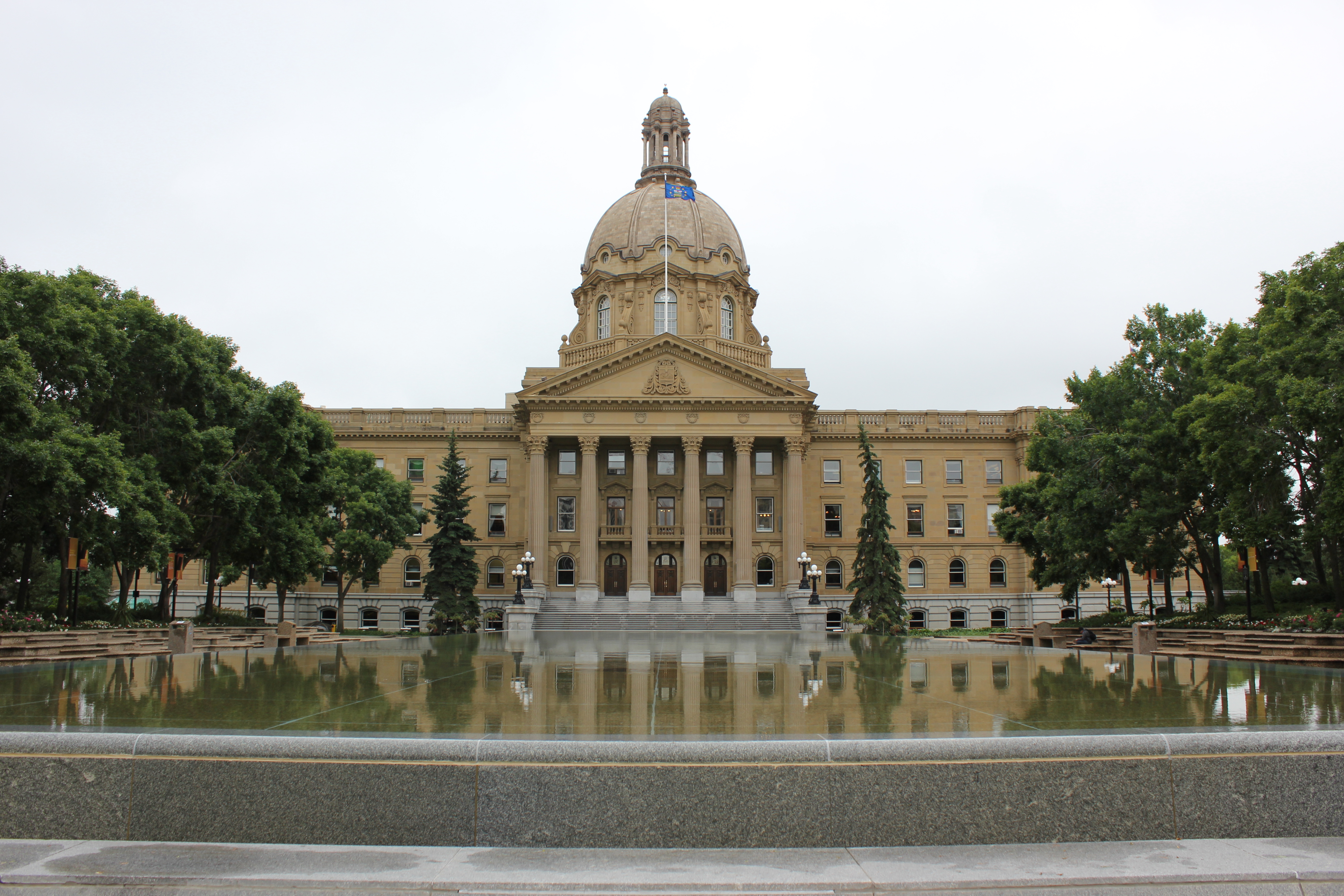
The provincial government in Edmonton now faces a balancing act between the legal requirements of the Court of King's Bench and the demands of its more populist base.
“"We will appeal this decision."”
This legal battle highlights the friction between Alberta's provincial autonomy and the federal framework of Canada. By appealing the ruling, Premier Smith maintains her standing with separatist-leaning voters without immediately committing to a referendum that could destabilize the province's economic and legal relationship with Ottawa. The involvement of First Nations objections adds a layer of constitutional complexity, as any path toward independence must navigate the treaty rights and land claims of Indigenous peoples.


