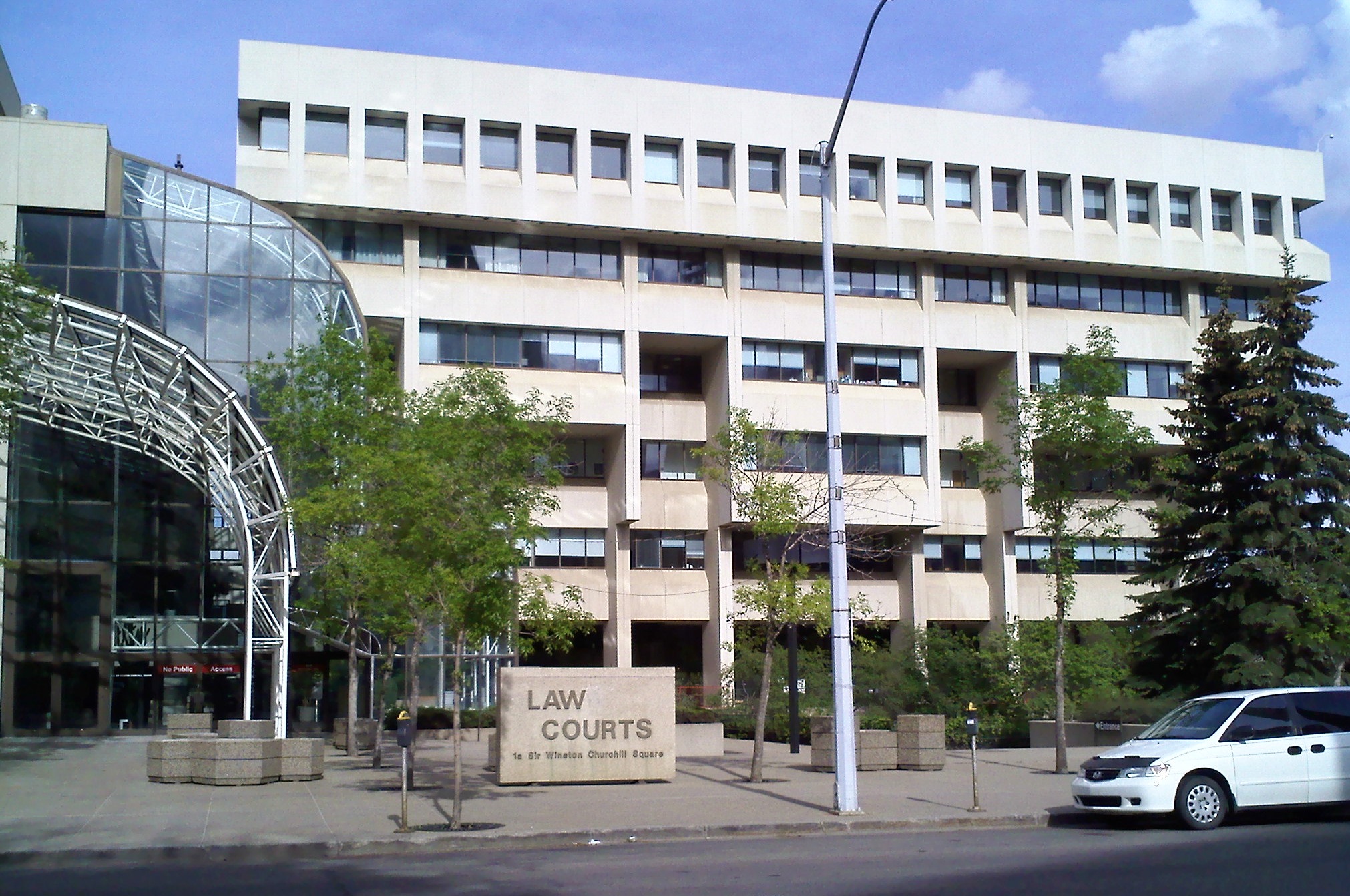
A Canadian court has blocked Alberta separatist leaders from holding a secession referendum this fall because the move would violate Indigenous treaty rights [1, 2].
The ruling establishes a significant legal barrier to provincial separation by linking the legitimacy of a referendum to the Crown's obligations to First Nations. Because treaties are constitutionally protected, any attempt to unilaterally exit the federation without addressing these agreements is considered a breach of Indigenous rights [2, 3].
Alberta separatist leaders had planned to hold the vote during the fall of 2026 [2]. However, the court said that proceeding with such a referendum while ignoring treaty obligations would undermine the legal framework governing the relationship between the state and Indigenous peoples [1, 2].
Indigenous Treaty 6 First Nations leaders have been central to the legal challenge. Their position emphasizes that treaties are not merely historical documents but active legal agreements tied to the Crown [1, 2]. The court's decision reinforces that these agreements cannot be discarded or bypassed by a provincial political movement, even through a popular vote.
This legal intervention follows expressions of concern from the monarchy regarding the stability of the region [3]. The ruling ensures that any future discussions regarding Alberta's status within Canada must include a comprehensive framework for respecting Indigenous sovereignty, and land rights [1, 2].
Separatist organizers must now determine if they can restructure their proposal to satisfy the court's requirements or if the path to a legal referendum remains closed due to the constitutional weight of the treaties [2].
“A court ruling has blocked Alberta separatists from holding a secession referendum this fall.”
This ruling underscores that Indigenous treaty rights act as a constitutional safeguard against unilateral secession in Canada. By prioritizing the Crown's obligations to First Nations over the political desires of a provincial movement, the court has signaled that legal sovereignty is inextricably linked to the recognition of Indigenous land and treaty rights.


