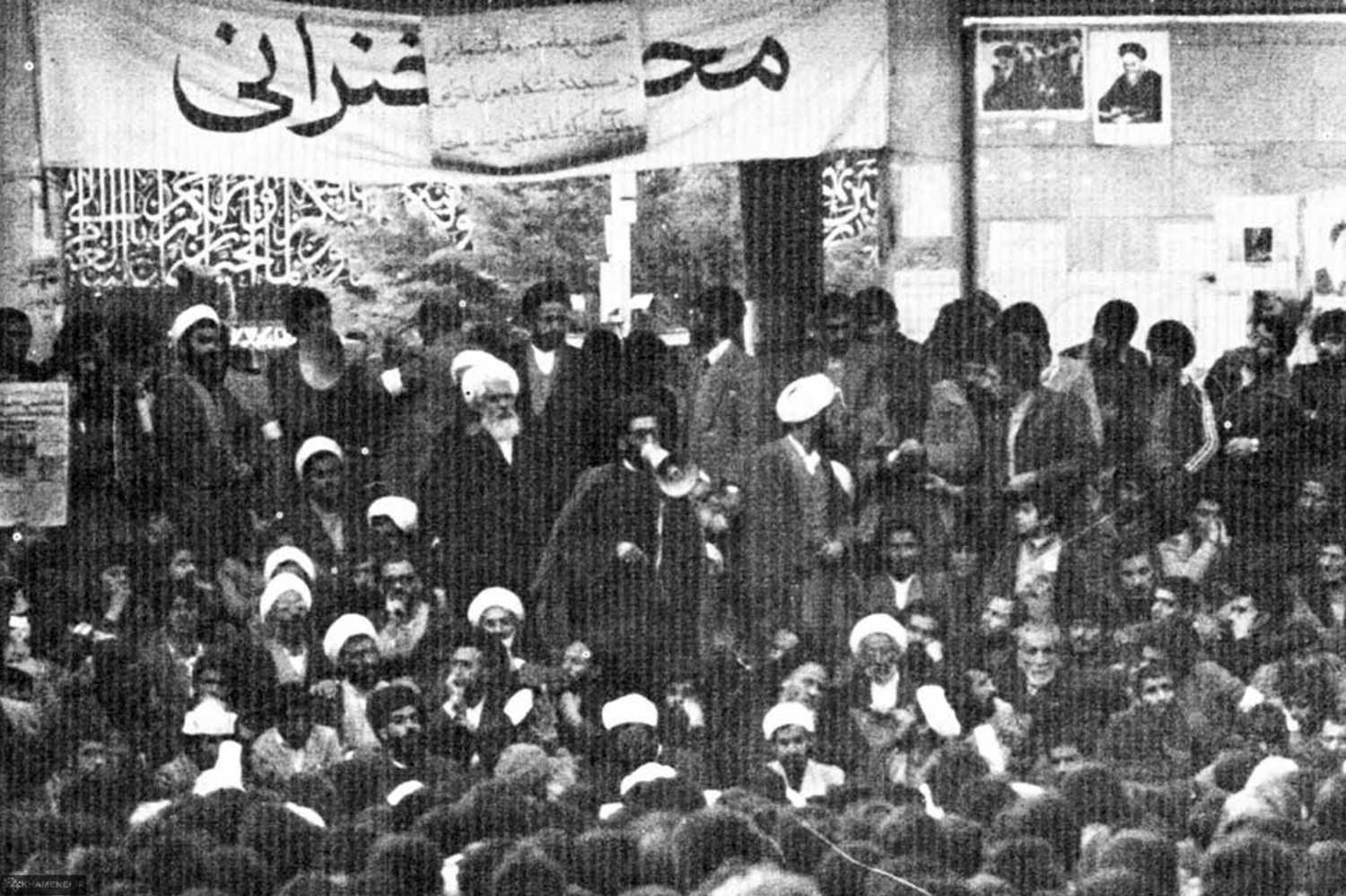
Supporters of Iran's Supreme Leader Ali Khamenei gathered in mourning, crying and wailing during a funeral service held this week [1].
The event highlights the emotional state of the leader's base and the internal tension regarding Iran's diplomatic strategy with the U.S. as the country navigates a period of transition.
According to reports, the funeral took place four months after the death of Ali Khamenei [2]. At the time of the services, the body of the Supreme Leader had not yet been buried [2].
Participants at the gathering expressed varying views on the current state of international relations. Some supporters said they distrust negotiations with the U.S., suggesting that diplomatic efforts may not be trustworthy. Others said they would back talks only if the rights of Iran were fully secured [1].
These expressions of grief and political anxiety occurred as the public processed the loss of the long-standing leader. The atmosphere was characterized by intense emotion, with many attendees openly wailing as they bid farewell to the cleric [1].
The divergence in opinion among the mourners reflects a broader struggle within the Iranian political landscape. While the core base remains loyal to the legacy of Khamenei, there is visible friction regarding how to handle foreign adversaries—specifically whether to maintain a hardline stance or pursue negotiated settlements that guarantee national interests [1].
“Supporters gathered to mourn Iran’s Supreme Leader Ali Khamenei four months after his death”
The delayed funeral and the public's reaction underscore the volatility of Iran's internal stability following the death of its Supreme Leader. The split among supporters regarding U.S. negotiations suggests that the next phase of Iranian foreign policy will face significant pressure from both hardliners and those seeking a pragmatic, rights-based diplomatic approach.


