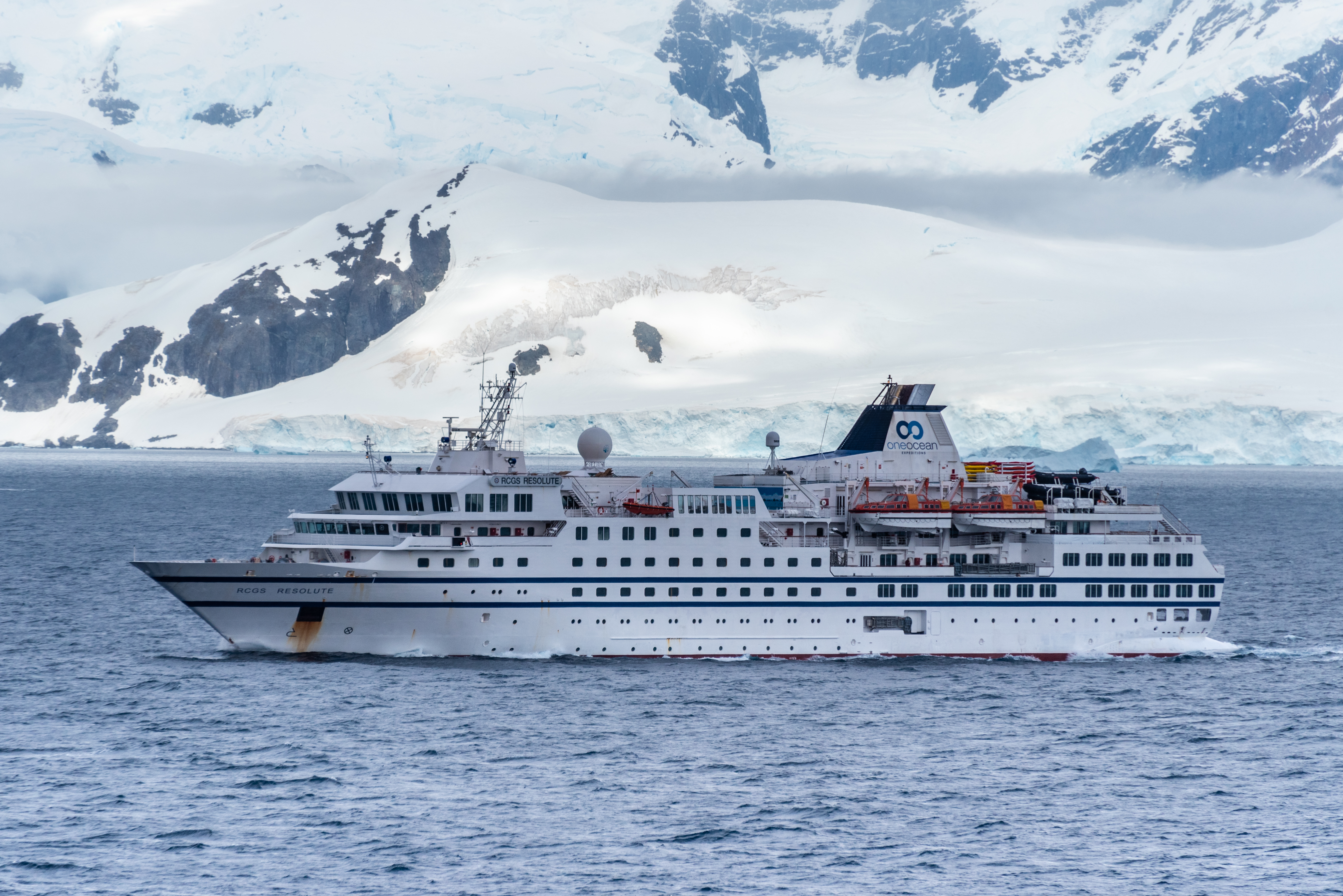
A Royal Canadian Geographical Society expedition is using the Alvin deep-sea submersible to create 3-D digital models of two historic shipwrecks [1].
These efforts preserve the physical records of early 20th-century polar exploration before the vessels succumb to deep-sea decay. By documenting the Quest and the Terra Nova, researchers can analyze shipbuilding techniques and the specific conditions that led to the loss of these iconic vessels.
Lead pilot Bruce Strickrott guided the submersible and remotely operated vehicles through the waters of the Labrador Sea, off the coast of Newfoundland and Labrador, Canada [1, 2]. The team focused on the Quest, which served as Ernest Shackleton’s final ship, and the Terra Nova, the vessel used by Robert Falcon Scott [1, 3].
This July 2026 mission involves surveying two distinct wrecks [1, 4]. The team uses advanced imaging to build "digital twins," which are precise virtual replicas of the ships as they currently lie on the ocean floor [1, 2]. This process allows historians and scientists to study the structures without risking further damage to the fragile remains.
The expedition aims to advance the scientific understanding of maritime history [2, 3]. Because the wrecks are located in challenging deep-sea environments, the use of the Alvin submersible provides a level of access and precision that standard sonar cannot achieve [1, 3].
Researchers are documenting the structural integrity of the hulls, and the distribution of debris around the sites [1]. This data provides a snapshot of the ships' current state, ensuring that the legacy of Shackleton and Scott is preserved in a digital format for future generations [2, 3].
“The team focused on the Quest, which served as Ernest Shackleton’s final ship, and the Terra Nova.”
The creation of digital twins for the Quest and Terra Nova represents a shift toward non-invasive archaeology. By prioritizing digital preservation over physical recovery, the Royal Canadian Geographical Society is ensuring that the historical data of the Heroic Age of Antarctic Exploration is saved from the inevitable degradation caused by deep-sea currents and corrosion.


