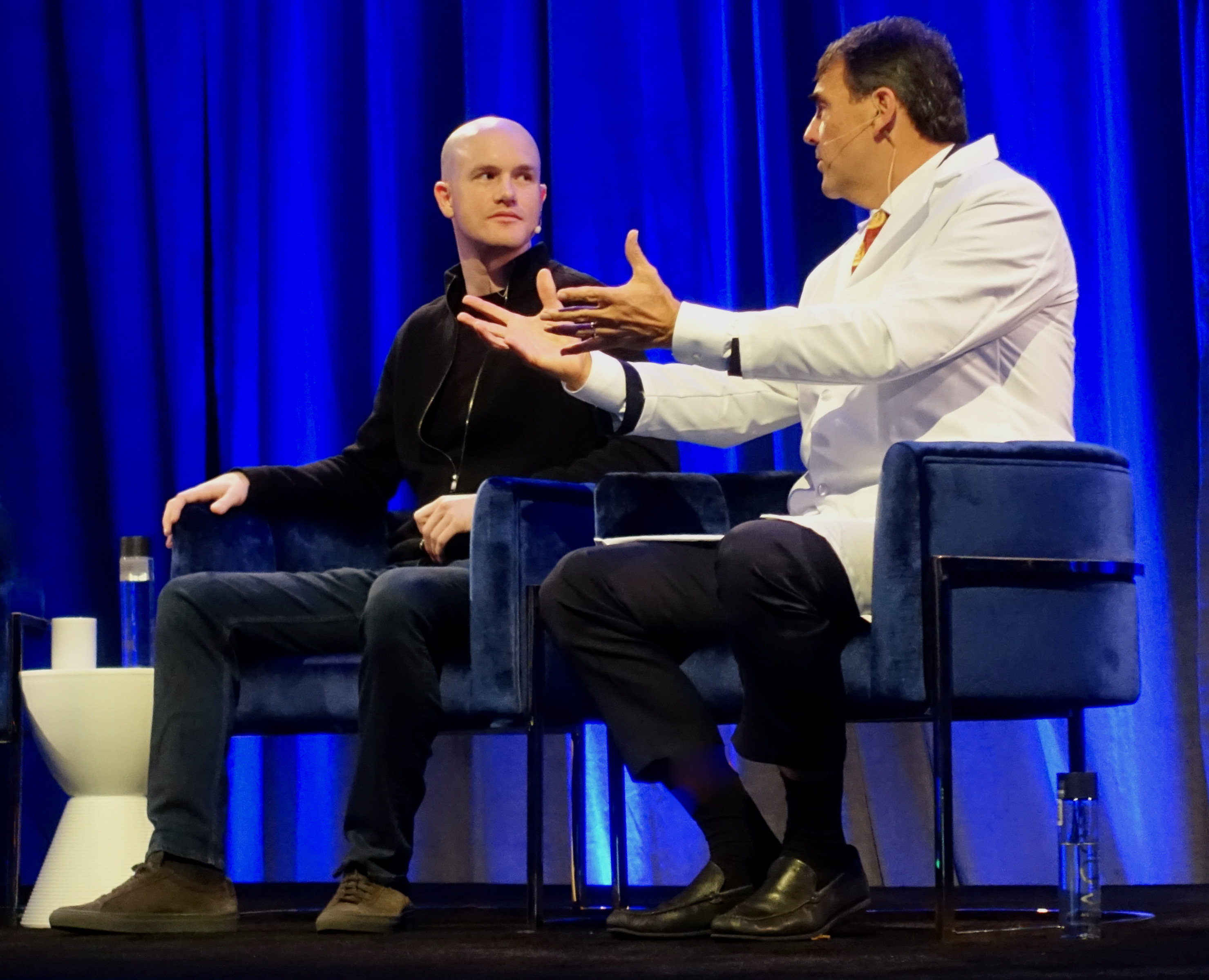
Alvin Wang Graylin presented strategies for using artificial intelligence without outsourcing human thought at the America250 x Forbes America Innovates stage [1].
As AI integration accelerates across professional and academic sectors, the risk of cognitive atrophy becomes a primary concern for educators and policymakers. Graylin's presentation addresses the tension between utilizing machine efficiency and maintaining the critical thinking skills necessary for innovation.
Graylin serves as a Digital Fellow at Stanford's Institute for Human-Centered AI [2]. He also holds a position as a Non-Resident Honorary Senior Fellow on Technology at the Asia Society Policy Institute [2]. These roles place him at the intersection of academic research and global policy, focusing on how humans interact with emerging technologies.
During the session, Graylin said methods for leveraging AI while preserving independent thinking [1]. The discussion focused on the distinction between using AI as a tool for productivity and using it as a replacement for the analytical process. He said that the goal should be a collaborative relationship where the human remains the primary architect of the thought process.
By framing AI as an assistant rather than an authority, Graylin said that users can avoid the trap of intellectual dependence [1]. This approach allows for the acceleration of technical tasks without sacrificing the nuanced judgment that defines human intelligence. The presentation emphasized that the preservation of human cognition is essential for the long-term health of intellectual discourse.
The event, hosted by Forbes and America250, served as a forum for discussing the future of American innovation [1]. Graylin's contribution highlighted the necessity of establishing boundaries for AI use to ensure that the next generation of thinkers does not lose the ability to reason independently.
“Using AI without outsourcing human thought”
This presentation reflects a growing movement within AI ethics to shift the focus from purely technical capabilities to cognitive sustainability. By advocating for a boundary between tool usage and thought outsourcing, Graylin is addressing the potential for a 'skills gap' where humans lose the ability to perform the fundamental reasoning that AI is designed to emulate.