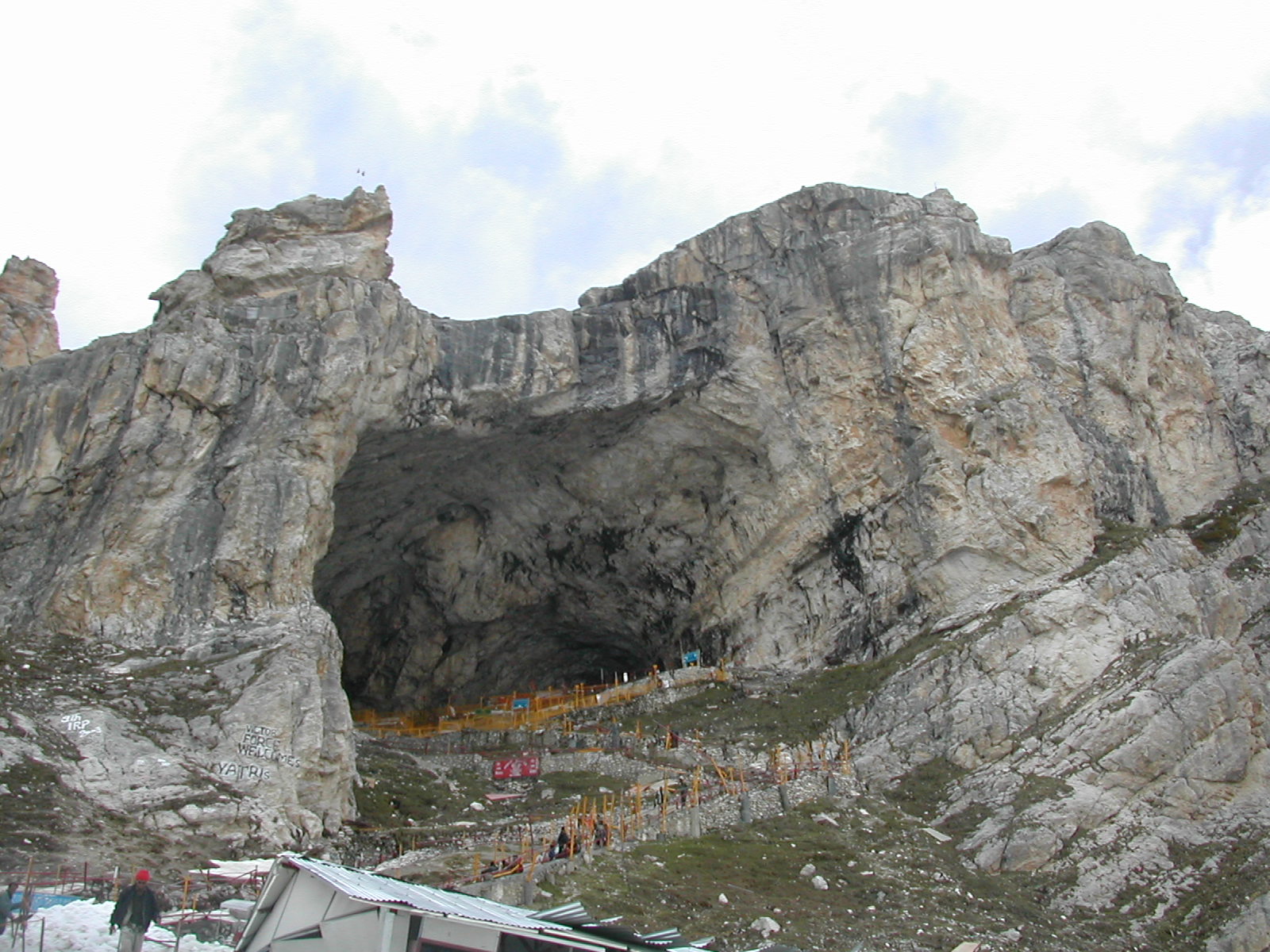
Thousands of Hindu pilgrims are currently undertaking the Amarnath Yatra, a sacred pilgrimage through the Himalayan mountains [1].
The journey serves as a centuries-old tradition intended to promote compassion and harmony within a polarized world. Beyond its religious significance, the pilgrimage provides essential economic support for local livelihoods along the trekking routes [1].
The pilgrimage consists of a 57-day journey [1]. Participants travel through rugged terrain to fulfill religious traditions and engage in fellowship with other devotees. The route is designed to foster a sense of unity and spiritual reflection among those who make the trek [1].
Organizers and participants said the trail is a sacred path of faith. The event emphasizes the intersection of spiritual devotion and the physical challenge of the Himalayan landscape—a combination that defines the experience for the thousands involved [1].
Local communities prepare for the influx of visitors, as the pilgrimage remains a cornerstone of the region's cultural and economic calendar. The tradition continues to draw devotees who seek to balance personal spiritual goals with a broader commitment to communal peace [1].
“A sacred trail of faith and fellowship”
The Amarnath Yatra is more than a religious rite; it is a significant socio-economic event for the Himalayan region. By integrating spiritual goals with the support of local commerce, the pilgrimage acts as a stabilizing cultural force that encourages inter-communal cooperation in a geographically and politically sensitive area.


