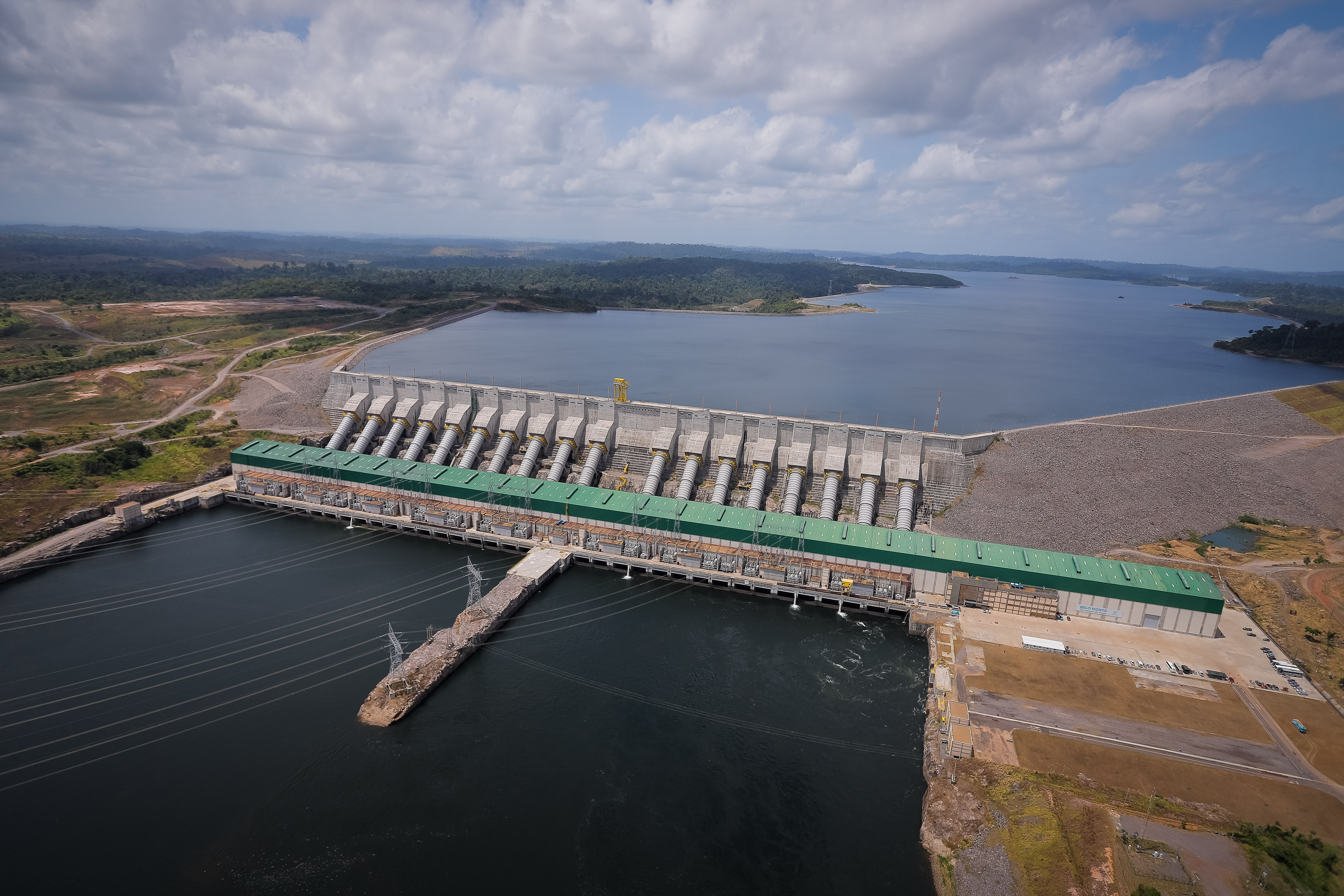
Foreign firms have abandoned numerous company towns across the Brazilian Amazon that were built to support extractive industries [1].
These ruins serve as a physical record of the environmental and social impact of industrial exploitation in one of the world's most biodiverse regions. The decay of these settlements highlights the cycle of resource extraction where companies exit once profits diminish, leaving behind structural waste.
For decades, foreign firms established these settlements in the Brazilian Amazon to support extractive activities, such as mining and logging [1]. These towns were designed as hubs for workers and infrastructure to facilitate the removal of natural resources from the region [1].
Many of these operations began primarily from the 1970s onwards [1]. For more than 40 years, these sites functioned as industrial outposts before the firms eventually departed [1]. The transition from active industrial hubs to ghost towns occurred as the primary resources were depleted or became economically unviable to extract.
Today, the landscape is defined by the struggle between man-made structures and the surrounding jungle. The remains show human resilience as nature reclaims the land, The Guardian said [1]. The vegetation has begun to envelop the concrete and steel left behind by the mining companies.
These "ruined utopias" represent a pattern of temporary settlement where the long-term ecological cost was not factored into the corporate strategy. The abandonment of these sites has left the Brazilian Amazon with a legacy of industrial debris scattered throughout the rainforest [1].
“The remains show human resilience as nature reclaims the land”
The abandonment of these company towns illustrates the 'boom-and-bust' nature of extractive capitalism in the Amazon. By establishing temporary infrastructure for short-term gain, foreign firms externalized the long-term environmental costs, leaving the Brazilian state and the ecosystem to manage the resulting industrial decay.
'%2F%3E%0A%20%20%20%20%3Crect%20width%3D'1600'%20height%3D'900'%20fill%3D'url(%23v)'%2F%3E%0A%20%20%20%20%3Cg%20opacity%3D'0.08'%20fill%3D'%23ffffff'%3E%0A%20%20%20%20%20%20%3Ccircle%20cx%3D'1420'%20cy%3D'180'%20r%3D'220'%2F%3E%0A%20%20%20%20%20%20%3Ccircle%20cx%3D'1500'%20cy%3D'760'%20r%3D'120'%2F%3E%0A%20%20%20%20%3C%2Fg%3E%0A%20%20%20%20%3Cline%20x1%3D'80'%20y1%3D'172'%20x2%3D'220'%20y2%3D'172'%20stroke%3D'%23ffffff'%20stroke-width%3D'3'%20stroke-opacity%3D'0.6'%2F%3E%0A%20%20%20%20%3Ctext%20x%3D'80'%20y%3D'140'%20font-family%3D'Inter%2C%20-apple-system%2C%20Helvetica%2C%20sans-serif'%20font-weight%3D'700'%20font-size%3D'28'%20fill%3D'%23ffffff'%20letter-spacing%3D'6'%3EHANNA%20%C2%B7%20NEWS%3C%2Ftext%3E%0A%20%20%20%20%3Ctext%20x%3D'80'%20y%3D'230'%20font-family%3D'Inter%2C%20-apple-system%2C%20Helvetica%2C%20sans-serif'%20font-weight%3D'600'%20font-size%3D'40'%20fill%3D'%23ffffffb3'%20letter-spacing%3D'4'%3EWORLD%3C%2Ftext%3E%0A%20%20%20%20%3Ctext%20x%3D'80'%20y%3D'622'%20font-family%3D'Playfair%20Display%2C%20Georgia%2C%20serif'%20font-weight%3D'800'%20font-size%3D'86'%20fill%3D'%23ffffff'%20letter-spacing%3D'-1'%3EUP%20Chief%20Minister%20Yogi%3C%2Ftext%3E%3Ctext%20x%3D'80'%20y%3D'721'%20font-family%3D'Playfair%20Display%2C%20Georgia%2C%20serif'%20font-weight%3D'800'%20font-size%3D'86'%20fill%3D'%23ffffff'%20letter-spacing%3D'-1'%3EAdityanath%20Joins%20BJP%20Leaders%3C%2Ftext%3E%3Ctext%20x%3D'80'%20y%3D'820'%20font-family%3D'Playfair%20Display%2C%20Georgia%2C%20serif'%20font-weight%3D'800'%20font-size%3D'86'%20fill%3D'%23ffffff'%20letter-spacing%3D'-1'%3Efor%20Mango%20Gathering%3C%2Ftext%3E%0A%20%20%20%20%3Ctext%20x%3D'80'%20y%3D'870'%20font-family%3D'Inter%2C%20-apple-system%2C%20Helvetica%2C%20sans-serif'%20font-weight%3D'500'%20font-size%3D'22'%20fill%3D'%23ffffff66'%20letter-spacing%3D'2'%3Enews.hanna-ai.com%3C%2Ftext%3E%0A%20%20%3C%2Fsvg%3E)

