Amazon CEO Andy Jassy is reshaping the company's strategy by investing billions into artificial intelligence and custom silicon chips.
This pivot marks a fundamental shift in how the e-commerce and cloud giant operates. By developing its own hardware and restructuring its workforce, Amazon aims to break its dependence on external chip providers and accelerate its AI capabilities to remain competitive.
Now five years into his tenure as CEO [1], Jassy is steering the company toward a future centered on proprietary technology. A central part of this plan involves a $50 billion investment in custom silicon chips [3]. This move is designed to reduce the company's reliance on Nvidia, the current dominant provider of AI hardware.
This technological push has come with significant human costs. In an announcement on Oct. 30, 2025, the company fired 14,000 employees [2]. The cuts were not a result of financial instability but a strategic move to align the company's internal structure with its new goals.
"We didn't cut 14,000 people because of money. We cut them because of culture," Jassy said [2].
Jassy views the current technological shift as a critical turning point for the global economy. He has characterized the rise of AI as a "once-in-a-lifetime opportunity" [4]. To capture this opportunity, he believes Amazon must prioritize innovation, and a lean corporate culture, over legacy operational structures.
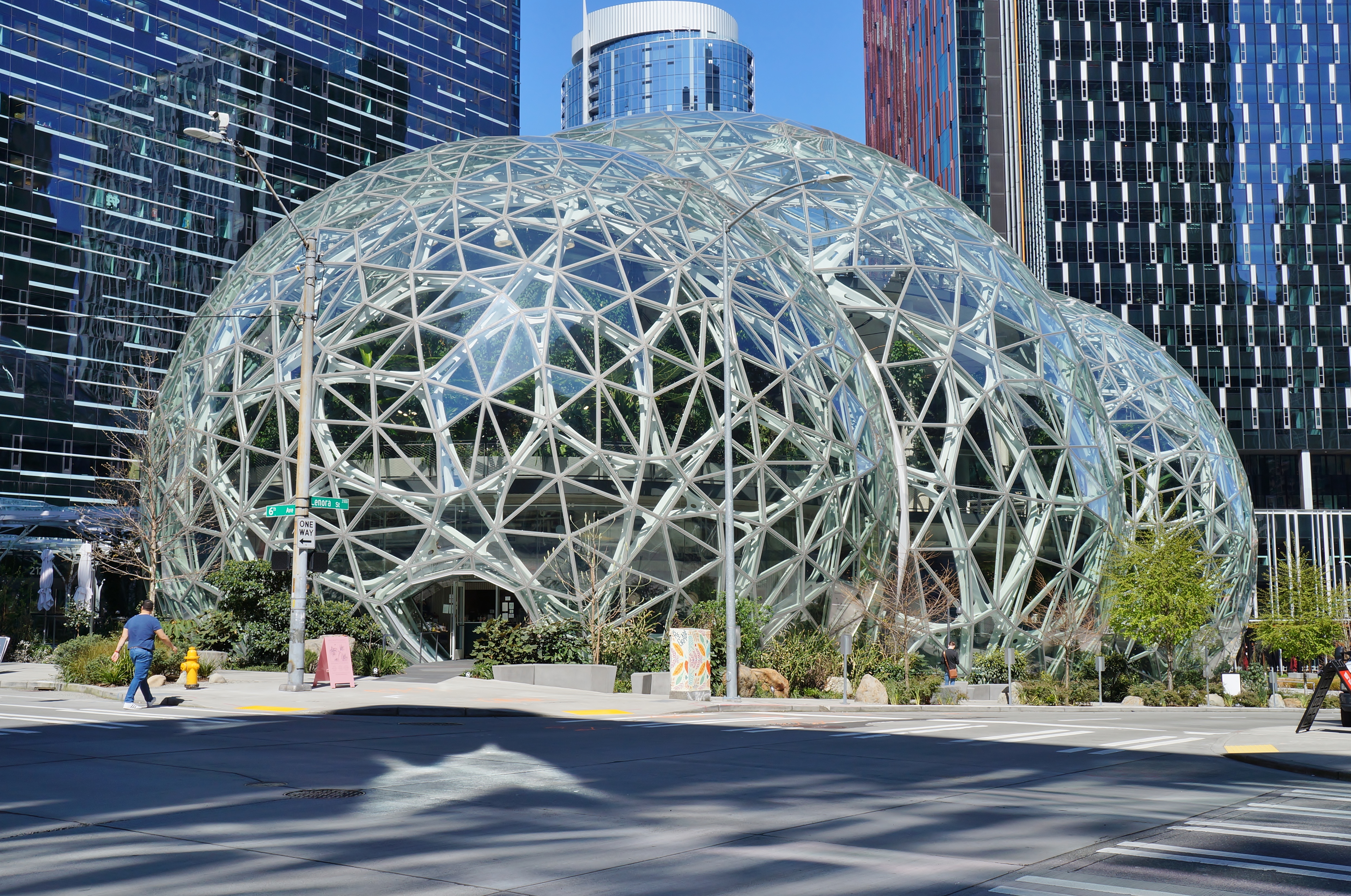
From its headquarters in Seattle, the company is integrating these AI advancements across its global operations [1]. The strategy combines aggressive capital expenditure in hardware with a rigorous reorganization of staff to ensure the company can iterate faster than its competitors.
“"AI is a once‑in‑a‑lifetime opportunity."”
Amazon's shift toward custom silicon represents a move toward vertical integration. By controlling both the cloud infrastructure and the chips that power it, Amazon can potentially lower costs and increase the performance of its AI services. However, the simultaneous mass layoffs indicate that the company is willing to sacrifice short-term workforce stability to pivot its culture toward a more aggressive, AI-centric operational model.


