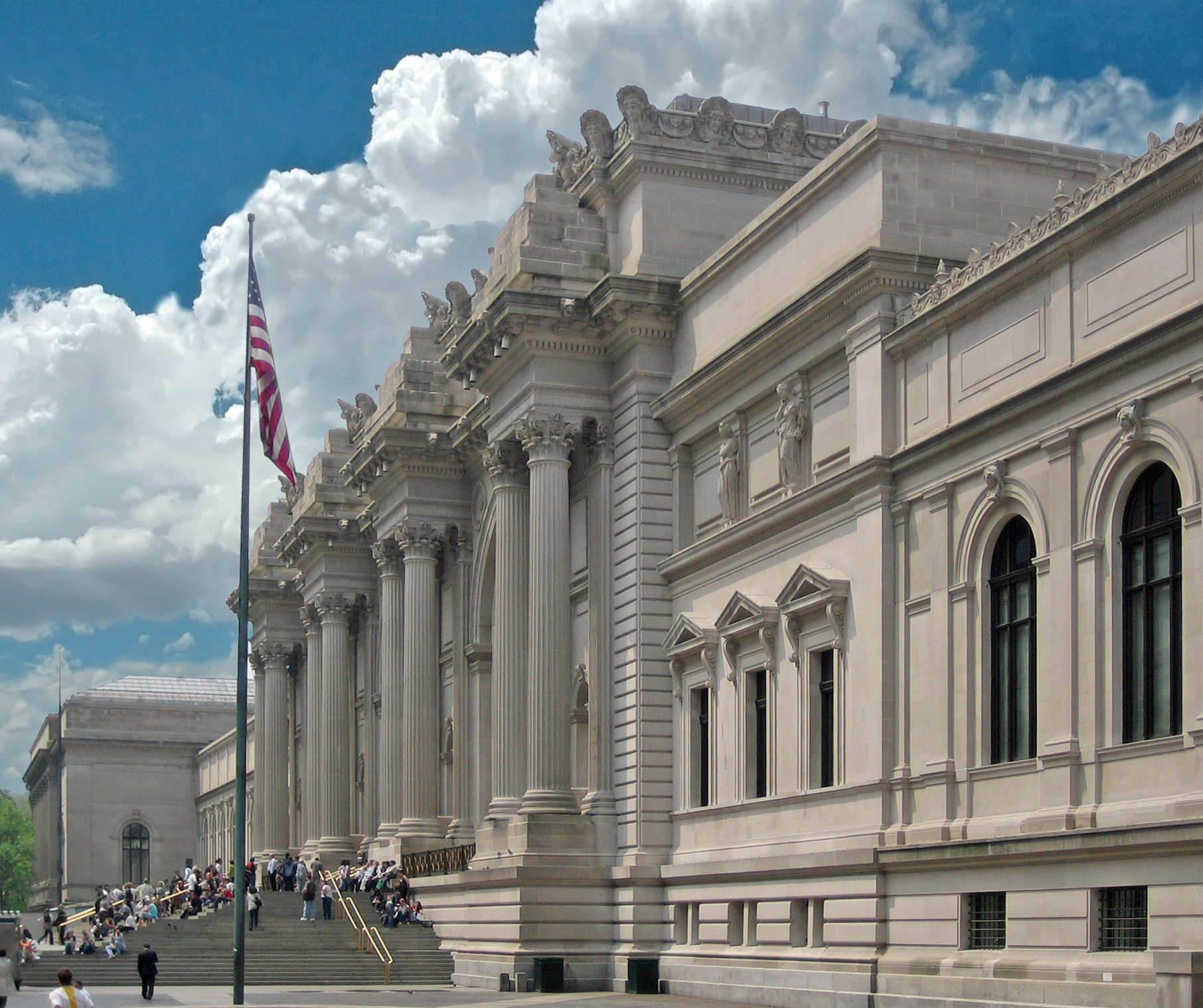
Amazon union leader Chris Smalls was arrested Monday night after protesting Jeff Bezos's sponsorship of the Met Gala in New York City [1].
The demonstration highlights the ongoing tension between Amazon's labor force and its founder, using one of the world's most visible luxury events to amplify grievances regarding worker treatment.
Smalls and other Amazon workers gathered outside the entrance of the Metropolitan Museum of Art on May 4, 2026 [1, 2]. The group sought to oppose the sponsorship of the event by Bezos and to call for a broader boycott of the gala [3, 4]. During the event, protesters attempted to breach security, which led to the arrest of one person [1, 2].
Activists used the high-profile nature of the red carpet to draw attention to the disparity between the wealth of the gala's sponsors and the conditions of the company's warehouse employees. Some protesters also projected boycott messages onto Bezos's Manhattan penthouse to extend the reach of their message beyond the museum walls [4].
"All working-class people deserve better than what we're getting," a former Amazon worker said [4].
The protest occurred as guests arrived for the annual fashion event, creating a sharp contrast between the luxury of the gala and the labor demands of the union organizers. Security personnel at the museum maintained the perimeter throughout the evening to prevent demonstrators from entering the venue [2, 5].
“"All working-class people deserve better than what we're getting."”
This incident underscores a strategic shift by labor organizers to target the personal branding and philanthropic associations of high-net-worth executives. By intersecting a corporate labor dispute with a global cultural event like the Met Gala, the Amazon union is attempting to leverage public visibility to pressure the company into addressing worker grievances.


