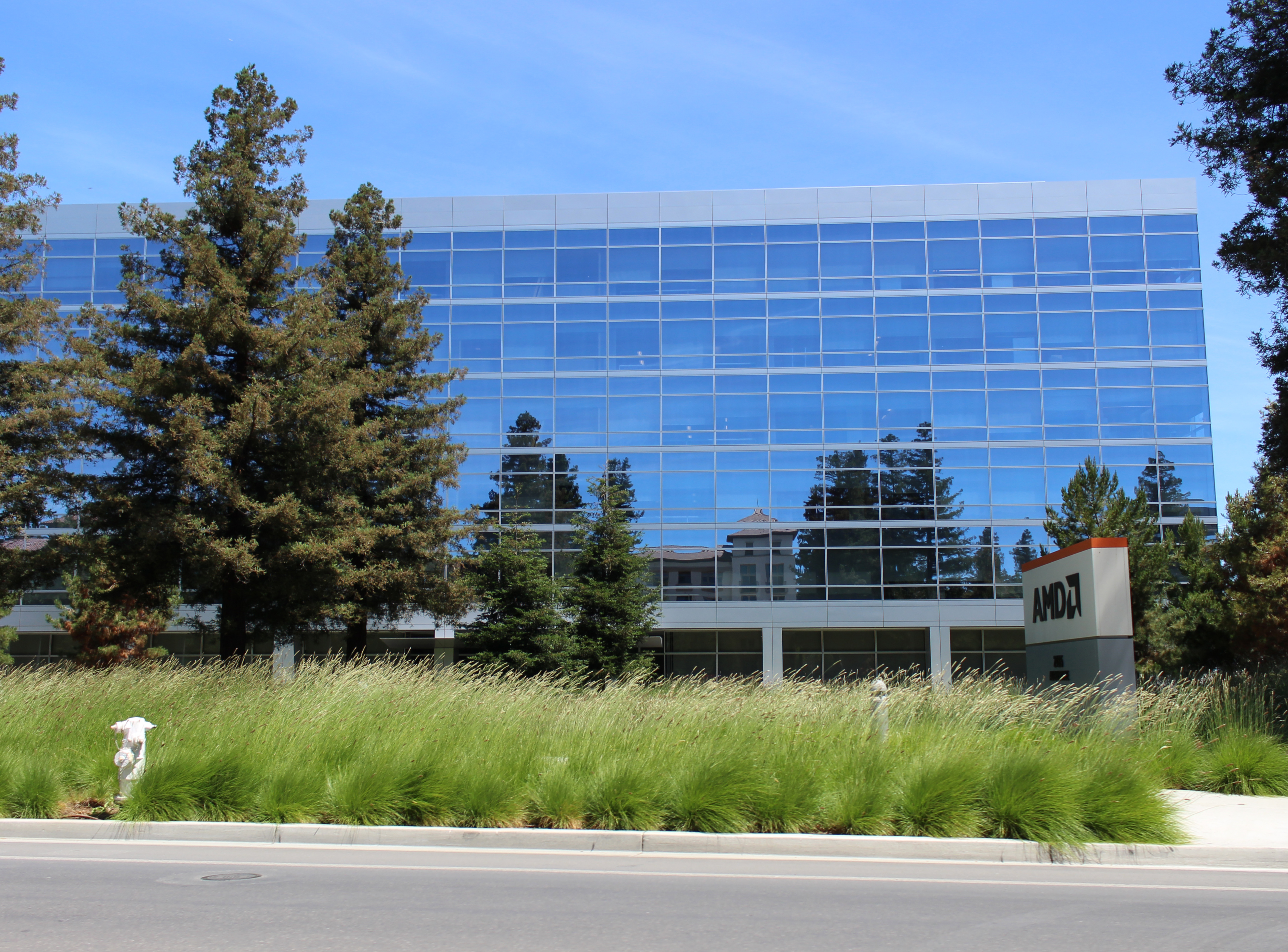
Advanced Micro Devices Inc. disclosed a new investment position in Marvell Technology Inc. valued at $6.5 million [1].
This strategic move comes as the semiconductor industry continues to navigate a volatile market driven by artificial intelligence demands. The investment suggests a deepening financial tie between two major players in the chip sector, a move that can signal confidence in Marvell's specific technology roadmap.
According to financial disclosures, the $6.5 million [1] stake has already generated a sharp paper gain. While the specific timing of the purchase was not detailed in the reports, the immediate rise in value indicates that the market responded positively to Marvell's recent performance or outlook.
Marvell Technology Inc. specializes in data infrastructure semiconductor solutions. By taking a position in Marvell, AMD is aligning itself with a company that focuses heavily on networking and storage, areas that complement AMD's own strengths in processing and graphics.
The investment represents a relatively small sum compared to the total market capitalization of either company. However, the disclosure of the position provides a glimpse into how AMD is managing its corporate treasury and its appetite for equity in industry partners.
Market analysts often view such investments as a way for companies to hedge their bets or prepare for future collaborations. The paper gain on the $6.5 million [1] investment underscores the current momentum in the semiconductor space, where high-performance computing and connectivity are paramount.
“AMD disclosed a new investment position in Marvell Technology Inc. valued at $6.5 million.”
This investment indicates that AMD is diversifying its financial interests within the semiconductor ecosystem. By acquiring a stake in Marvell, AMD is betting on the growth of data infrastructure and connectivity, which are essential components for the scaling of AI data centers. While the dollar amount is modest, the move reflects a broader trend of strategic alignment among chipmakers to ensure stability in the supply chain and technological interoperability.