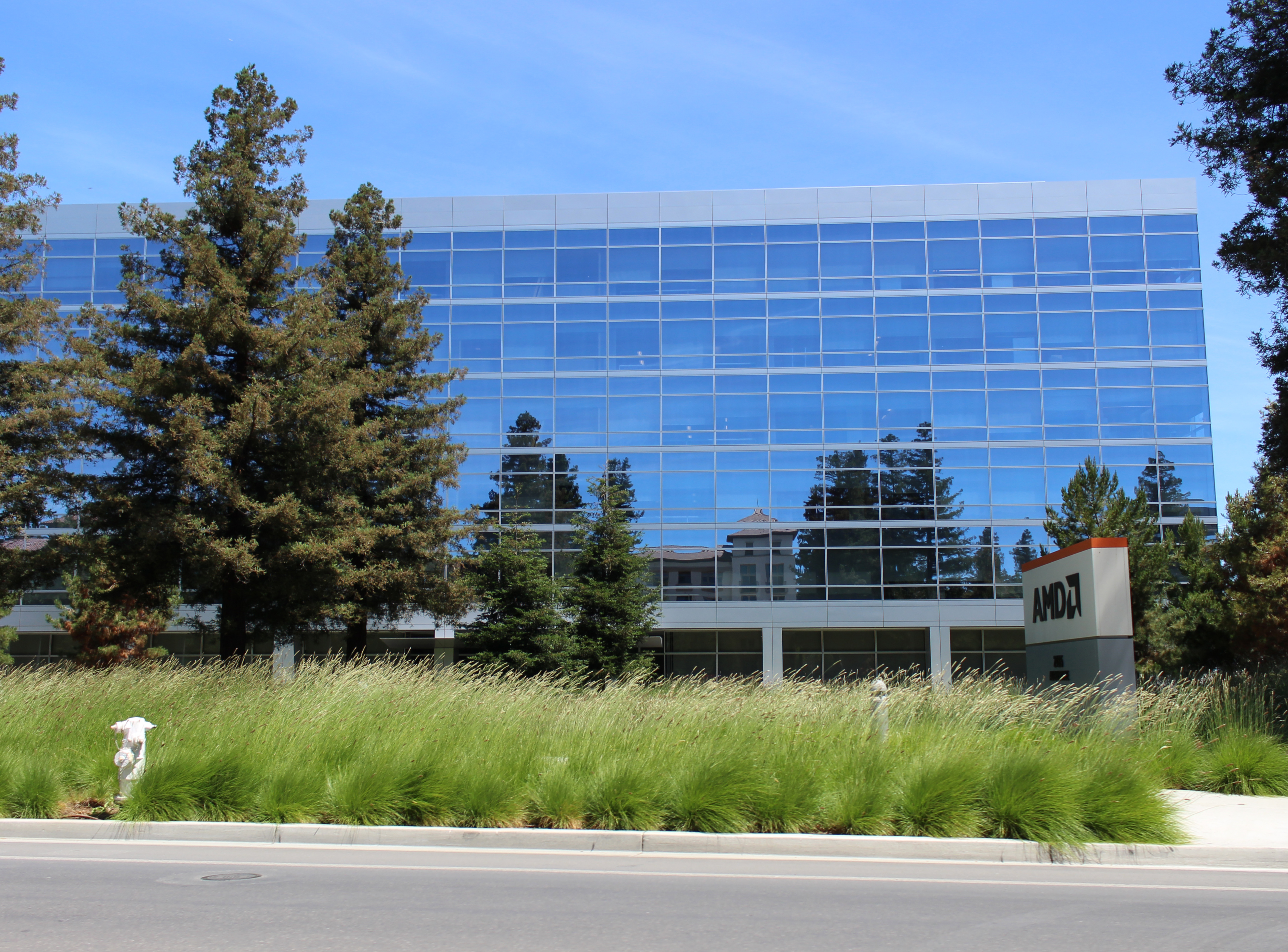
Investors are weighing the risk-reward profiles of Advanced Micro Devices (AMD) and Texas Instruments (TXN) as key technology plays for 2026 [1, 2].
The comparison highlights a fundamental choice between high-growth volatility and stable diversification in the semiconductor industry. As artificial intelligence continues to reshape the global chip market, the two U.S. companies represent different strategies for capital allocation.
AMD has positioned itself to capture the rapid expansion of AI infrastructure. This strategy has led to significant short-term momentum, including a 12-month gain of 300% [3]. However, this growth comes with concentrated risk as the company bets heavily on the continued acceleration of AI adoption [2].
In contrast, Texas Instruments maintains a broader reach across multiple industrial sectors. This diversified approach provides a cushion against the volatility of any single market trend. According to Fool.com, TXN’s diversified portfolio trades at a cheaper valuation than its competitor [2].
External pressures are also emerging in the global landscape. MSN said that a top Chinese AI developer is aiming to design and build its own processor [3]. Such developments could create new headwinds for U.S. chipmakers attempting to maintain dominance in the high-end processor market.
"AMD chases AI growth with concentrated risk, while TXN’s diversified portfolio trades at a cheaper valuation," Fool.com said [2].
The divergence in these two stocks reflects the broader tension in the 2026 tech market: the pursuit of exponential AI returns versus the security of diversified industrial hardware.
“AMD has positioned itself to capture the rapid expansion of AI infrastructure.”
The contrast between AMD and Texas Instruments illustrates the current split in semiconductor investing. AMD is acting as a proxy for AI sentiment, meaning its stock price is highly sensitive to AI breakthroughs and setbacks. Texas Instruments serves as a hedge, offering exposure to the broader industrial economy. The emergence of domestic Chinese processor development adds a layer of geopolitical risk that could impact the long-term valuation of both U.S. firms.