Andrew Tate is facing a reopened criminal investigation and civil lawsuits for allegedly exploiting, trafficking, and sexually abusing women [1, 2, 3].
The legal actions target the manosphere influencer's business model, which investigators said relied on the systematic abuse of women to generate wealth and political influence [1, 4].
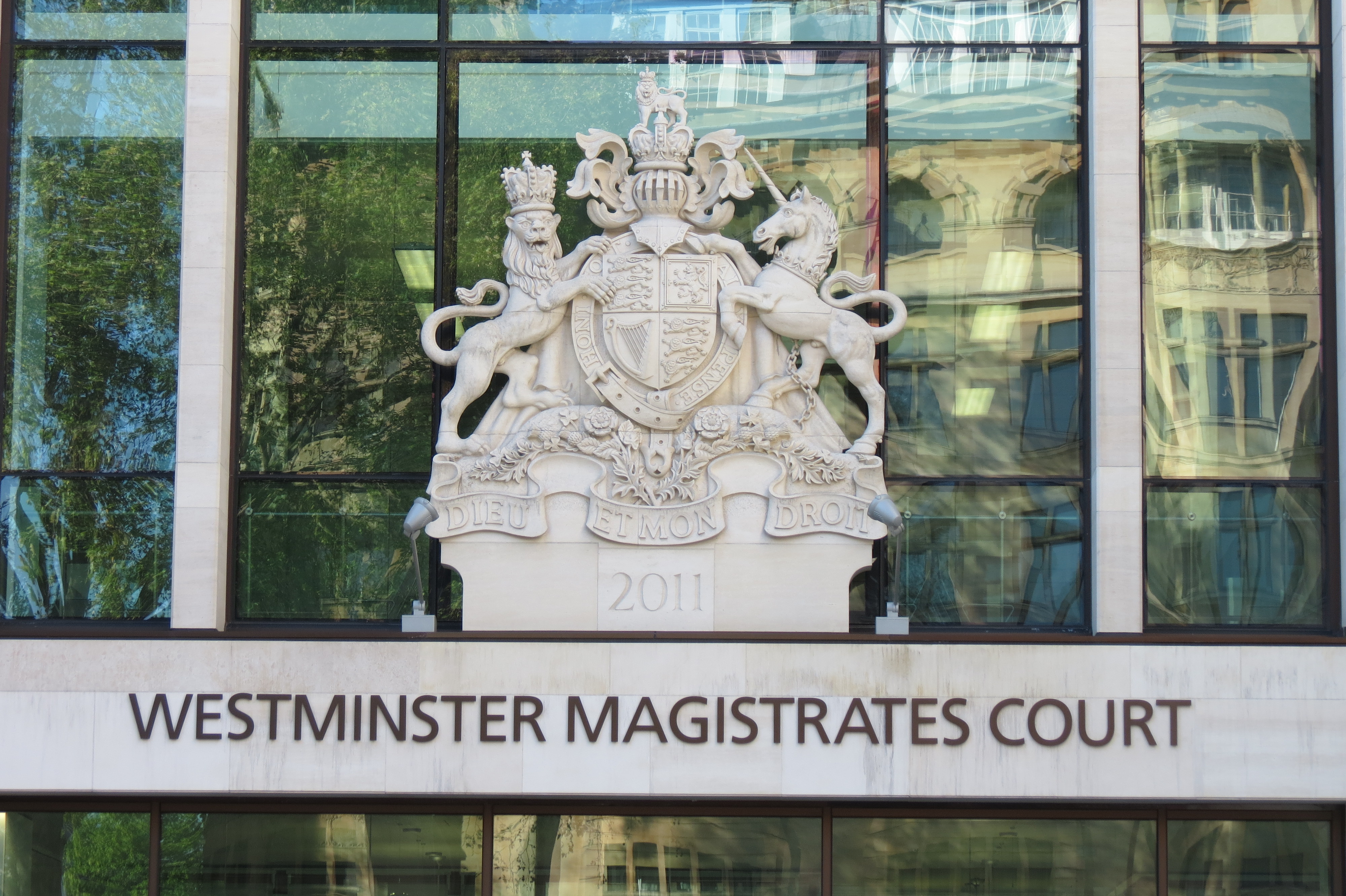
Four women have filed civil suits against Tate in the London High Court [2]. A civil trial was scheduled for June 2026, but the proceedings were adjourned in May 2026 after police reopened the criminal case [3, 2].
An investigation by The New Yorker, published June 15, 2026 [1], describes the operation as an "empire of abuse." The reporting indicates that Tate built a multi-million-dollar fortune by leveraging a network designed to coerce women [1, 4].
The allegations span multiple countries where Tate operated his business interests [2, 3]. While some reports suggest Tate's inner circle attempted to use political connections at Mar-a-Lago to avoid trial, other investigative reports focus exclusively on the exploitation of women [4, 1].
Legal representatives for the claimants seek accountability for the trafficking and abuse they describe as systematic. The UK High Court remains the primary venue for these proceedings as the criminal probe continues [2, 3].
“Four women have filed civil suits against Tate in the London High Court”
The transition from civil litigation back to a criminal investigation suggests that UK authorities have uncovered evidence that meets a higher threshold for prosecution. Because the allegations involve a structured network of exploitation rather than isolated incidents, the case could set a legal precedent for how influencers are held accountable for organized criminal activity conducted across international borders.


