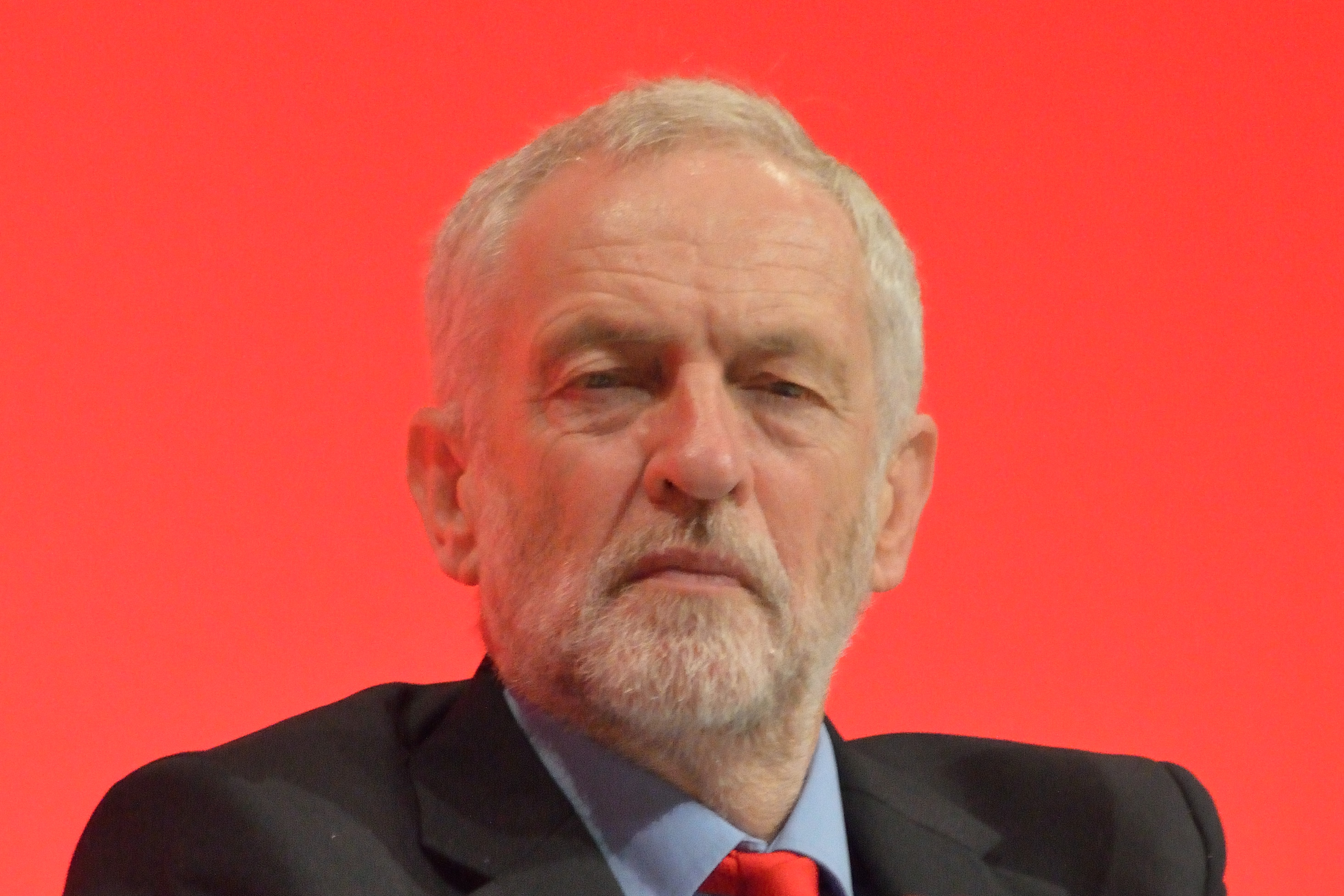
Andy Burnham, the newly elected Labour Party leader and prospective Prime Minister, announced his first-round cabinet on July 20, 2026 [2].
The delay in naming the leadership team suggests a complex period of internal bargaining. As Burnham prepares to lead the party toward government, the composition of his cabinet signals the strategic direction and internal balance of the Labour Party.
Burnham was elected as the leader of the Labour Party on July 17, 2026 [1]. While the election occurred on Friday, the final list of cabinet members did not emerge until Monday. This gap sparked questions regarding the stability of the new leadership and the speed of the transition.
Internal friction over portfolio allocations slowed the process. According to a BBC political insider, there were weeks of behind-the-scenes negotiations about who would take which brief, which is why the cabinet list only emerged later [2]. Other reports indicate these internal negotiations lasted between two and three weeks [3].
Burnham defended the timeline during a press conference in London. "We have taken the time to get the right people in the right jobs for the country," Burnham said [1].
The process involved balancing various factions within the party to ensure a cohesive front. The prolonged decision-making process reflects the high stakes of these appointments as the party positions itself for power. Despite reports from some outlets that the cabinet was finalized within a few days of the election, the public announcement remained pending until July 20 [2].
The final lineup was presented at the Labour Party headquarters, marking the formal start of Burnham's administrative leadership. The appointments conclude a period of intense speculation regarding which allies would receive the most influential roles in the prospective government.
“"We have taken the time to get the right people in the right jobs for the country."”
The gap between Burnham's election and his cabinet announcement highlights the fragility of party unity during leadership transitions. By prioritizing the 'right people' over a rapid announcement, Burnham likely sought to neutralize internal opposition and secure loyalty from key power brokers before facing the public. This suggests a leadership style that favors consensus-building and strategic caution over immediate decisive action.