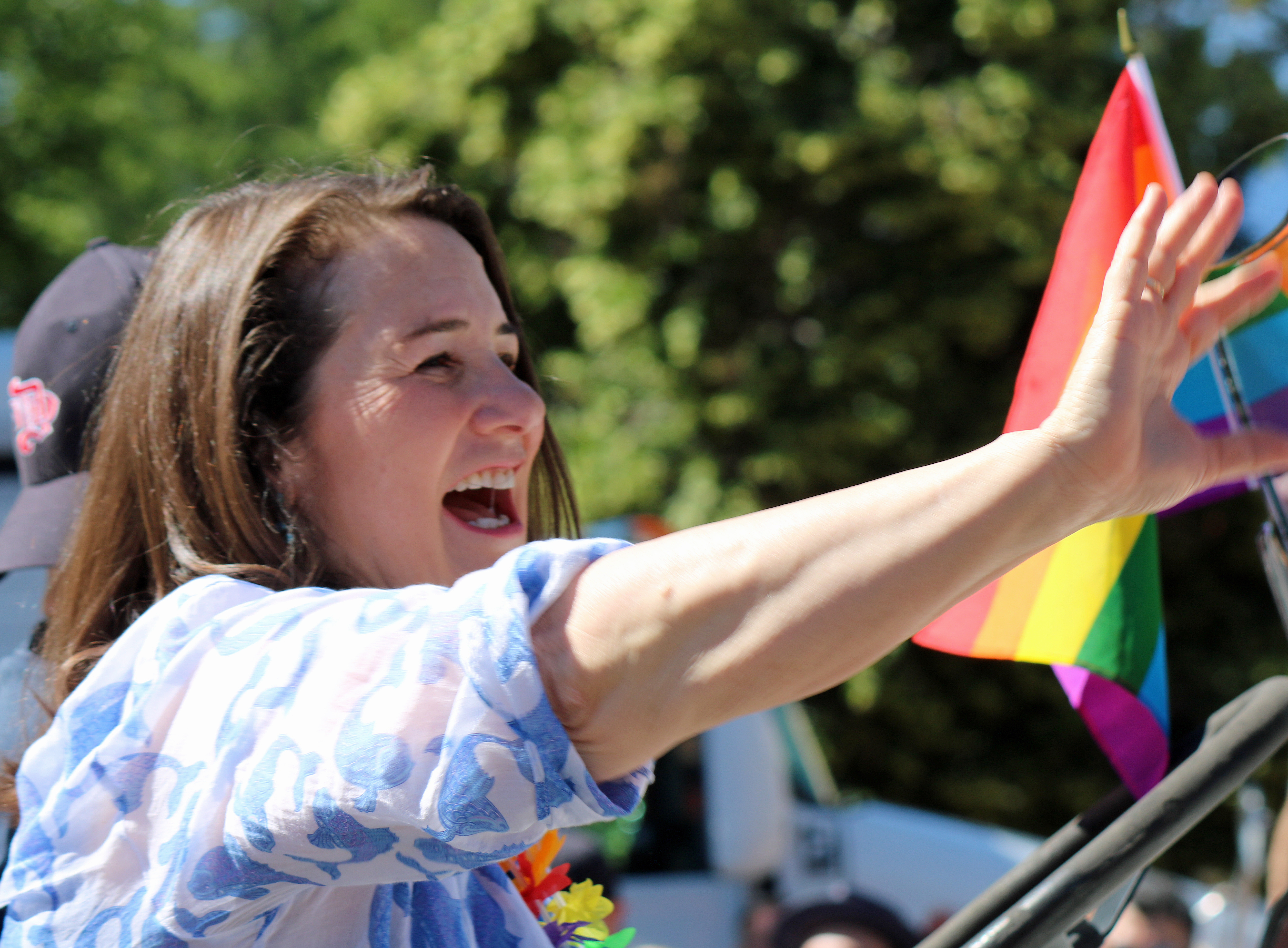
Greater Manchester Mayor Andy Burnham (Labour) is preparing to stand for a vacant Labour seat in the House of Commons.
This move increases political pressure on Prime Minister Keir Starmer (Labour) and signals a deepening rift within the party's internal ranks. By seeking a seat in Parliament, Burnham aims to influence the party's direction from within the legislature.
The tension centers on the Gorton and Denton constituency. Reports indicate that Burnham was blocked from serving as the Labour candidate during a by-election in February 2024 [1]. Despite that previous restriction, discussions regarding his return to the Commons continued into March 2024 [2].
Internal party conflict has risen as Burnham's ambitions clash with the leadership's current strategy. The friction is compounded by a climate of dissent and recent resignations within the party [2]. Labour MP Wes Streeting and activist Josh Simons have also been noted in the context of these shifting party dynamics [2].
Burnham's potential return is seen by some as a direct challenge to Starmer's authority. The struggle for influence over the party's ideological path has created a volatile environment as the Labour leadership seeks to maintain stability while managing high-profile ambitions within its own ranks [2].
The Gorton and Denton seat remains the focal point of this power struggle. While some sources suggest Burnham is actively making a bid to return as an MP, others emphasize the previous efforts by party leadership to prevent his candidacy [2, 3].
“Burnham is preparing to stand for a vacant Labour seat in the House of Commons.”
The bid by Andy Burnham to return to Parliament represents a significant internal challenge to Keir Starmer's leadership. Because Burnham holds a powerful regional mandate as mayor, his entry into the House of Commons could provide a legislative platform for a faction of the party that disagrees with the current Prime Minister's direction, potentially fracturing party unity ahead of future electoral cycles.