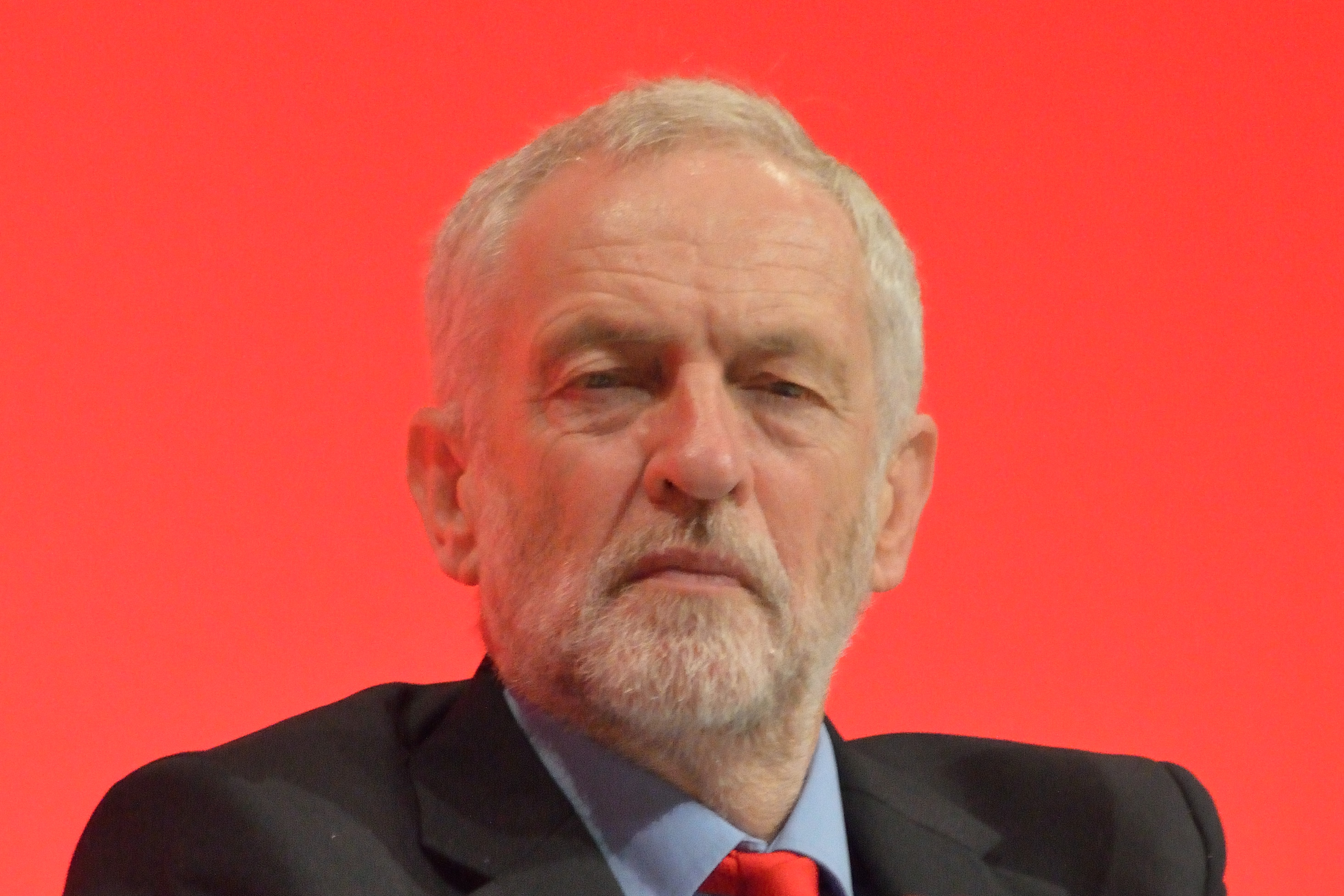
Andy Burnham was announced as the new leader of the UK Labour Party during a formal ceremony in London on Friday [1, 3].
The leadership change marks a pivotal shift in the party's direction as it prepares for a transition of power in the British government.
Burnham secured the leadership after winning a contest that saw strong support from within the party's legislative ranks. More than 80% of Labour Party MPs formally nominated him for the position [4]. The victory concludes a competitive process to determine who will lead the party into the next phase of its political strategy.
During the transition, Sir Keir Starmer addressed the change in leadership. "I go with pride," Starmer said [2].
While the announcement took place today, reports regarding the timeline for the transition of power vary. Some sources indicate that Burnham will begin outlining his vision for government in a speech this Friday before becoming prime minister next week [3]. Other reports focused on the immediate appointment of Burnham as the party leader today [2].
The ceremony in London served as the official platform to introduce Burnham to the public and the party membership. He now assumes control of the Labour Party's internal operations and its external political agenda, a role that includes managing the party's relationship with the electorate and the parliament.
“More than 80% of Labour Party MPs formally nominated Andy Burnham”
The appointment of Andy Burnham as Labour leader, backed by a significant supermajority of MPs, suggests a strong internal mandate. The potential transition to the premiership next week indicates that this leadership change is not merely a party internal matter but a precursor to a change in the UK's executive government.


