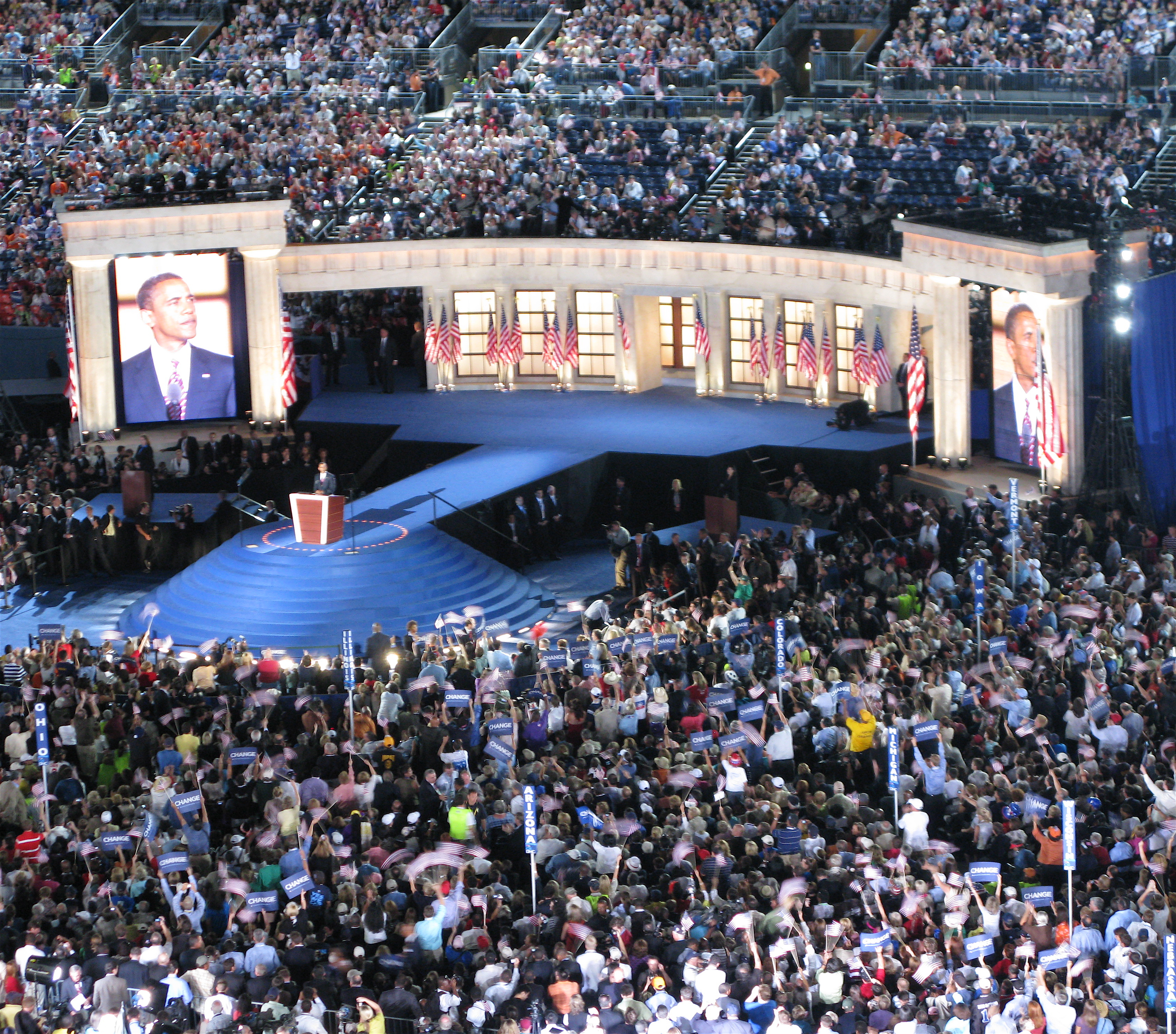
![The conference hall of the 2016 Labour Party Conference - the platform and front few rows. Gail Cartmail, Assistant General Secretary of Unite the Union, is speaking on an Energy motion.[1]](https://upload.wikimedia.org/wikipedia/commons/1/18/2016_Labour_Party_Conference%2C_conference_hall.jpg)
Andy Burnham (Labour) was elected leader of the UK Labour Party on Friday, July 17, 2026 [1, 2].
Burnham takes the helm of the party following the departure of Keir Starmer. His ascent to leadership signals a potential shift in the party's direction as he seeks to address what he described as decades of political stagnation [1, 5].
Speaking at the Labour Party conference in Manchester, England, Burnham delivered his first address to party members [2, 4]. He said that he is ready to lead and promised to give hope back to the country [2, 3]. During the event, he said the moment was a proud one [3].
Burnham focused his speech on the need for a new path for the United Kingdom. He said his plan would deliver the biggest change in British politics in 40 years [1]. This ambition follows his tenure as the mayor of Greater Manchester, where he built a profile centered on regional governance, and public service [1, 2].
While the BBC reported that Burnham is set to become the next Prime Minister, the specific timing of his transition to 10 Downing Street remains varied across reports [2, 6]. Some reports indicate he will enter Downing Street on Monday, though other sources have not confirmed a specific date [6].
Burnham's election comes at a time when the party is looking to redefine its relationship with the electorate. By framing his leadership as a break from the past, he aims to mobilize voters who feel left behind by previous administrations [1, 5].
“"I am ready to lead."”
Burnham's transition from a regional mayor to the leader of the Labour Party represents a strategic move toward a leadership style rooted in local government experience. By promising the most significant political shift in four decades, he is positioning himself as a transformative figure rather than a caretaker, aiming to pivot the party's ideological center to regain public trust.