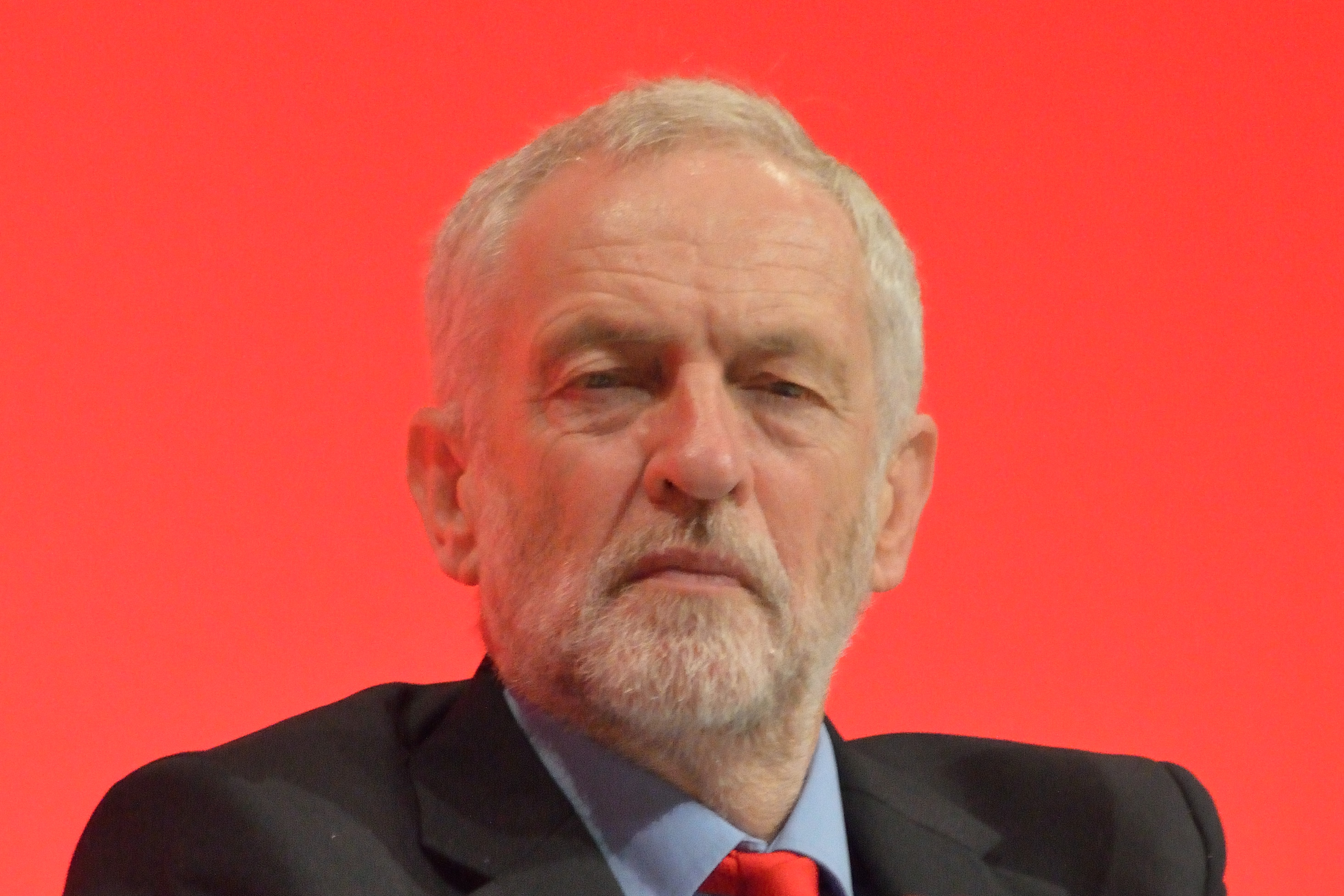
Andy Burnham officially became the leader of the UK Labour Party on Friday, July 17 [1].
The leadership change follows the resignation of Sir Keir Starmer, who stepped down after losing overwhelming backing within the party [2]. This transition marks a significant shift in the party's direction as it prepares for a new administration at 10 Downing Street.
Burnham was elected unopposed to succeed Starmer [2]. Speaking on his new role, Burnham said, "I am ready to lead" [3]. He further emphasized his vision for the country, saying, "I will bring hope back to the country" [4].
While the leadership of the party was confirmed on July 17 [1], the transition to the head of government is still underway. Burnham is expected to assume the role of Prime Minister on Monday, July 22 [5]. Some reports have noted uncertainty regarding the exact timing of his move into the official residence, but the July 22 date remains the primary expectation [5].
The change in leadership has already drawn reactions from other political entities. A spokesperson for Plaid Cymru said, "We expect a genuinely different approach to governing from the new Labour leader" [6].
Burnham's ascent to the leadership comes after a period of internal instability for the Labour Party. By securing the position without a contested election, he enters the role with a mandate to unify the party's factions, a task that will be critical as he prepares to lead the government from Westminster [7].
“"I am ready to lead."”
The unopposed election of Andy Burnham suggests a rapid consolidation of power within the Labour Party following Keir Starmer's loss of support. By moving quickly to install a new leader and prepare for a transition to 10 Downing Street, the party is attempting to project stability and a fresh ideological direction to the British public before the new Prime Minister officially takes office.


