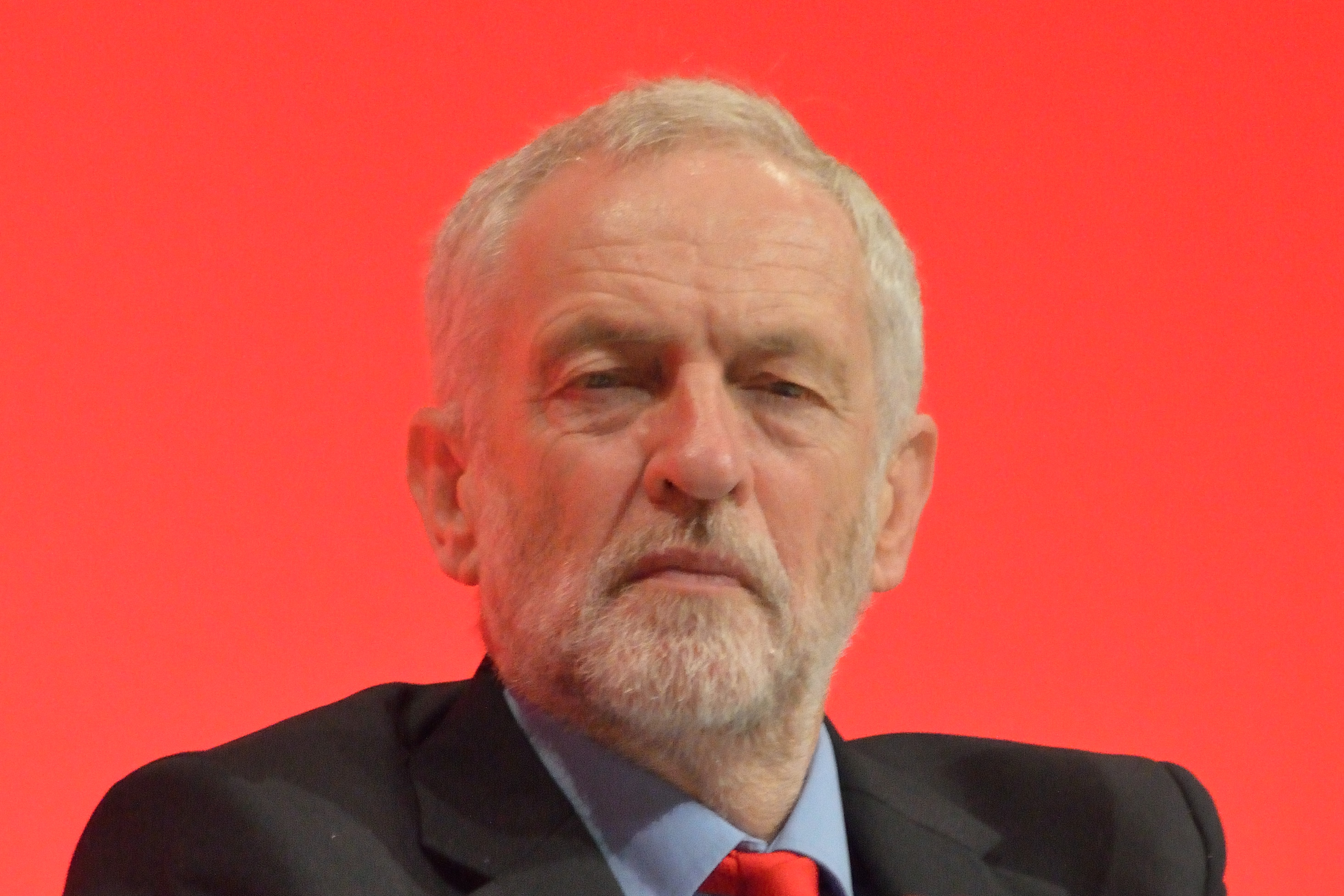
Andy Burnham was declared the leader of Britain's governing Labour Party on Friday, July 17 [1].
The leadership change signals a potential shift in the UK's governing strategy, as Burnham intends to move away from previous administrative approaches to prioritize local empowerment and public service control.
Burnham won the leadership contest by promising to restore hope to the electorate [2]. His platform focuses on increasing public control over essential services, and shifting power from the central government to local authorities [2]. This approach aims to decentralize authority and address regional disparities within the United Kingdom.
"We're going to give them hope," Burnham said [3].
Following the announcement on July 17 [1], the transition of power moves quickly. Burnham is set to officially become prime minister on Monday, July 20 [4].
The victory marks a new chapter for the Labour Party as it continues to lead the government. Burnham's focus on localism suggests a strategy to rebuild trust in public institutions by bringing decision-making closer to the citizens they serve. He intends to implement these changes as he assumes the highest office in the land next week.
“"We're going to give them hope."”
Burnham's ascent to the premiership represents a pivot toward regionalism within the Labour Party. By emphasizing the shift of power to local governments and increasing public oversight of essential services, he is attempting to address systemic dissatisfaction with centralized governance in London. This transition may alter the UK's internal political dynamics by granting more autonomy to city and regional leaders.


