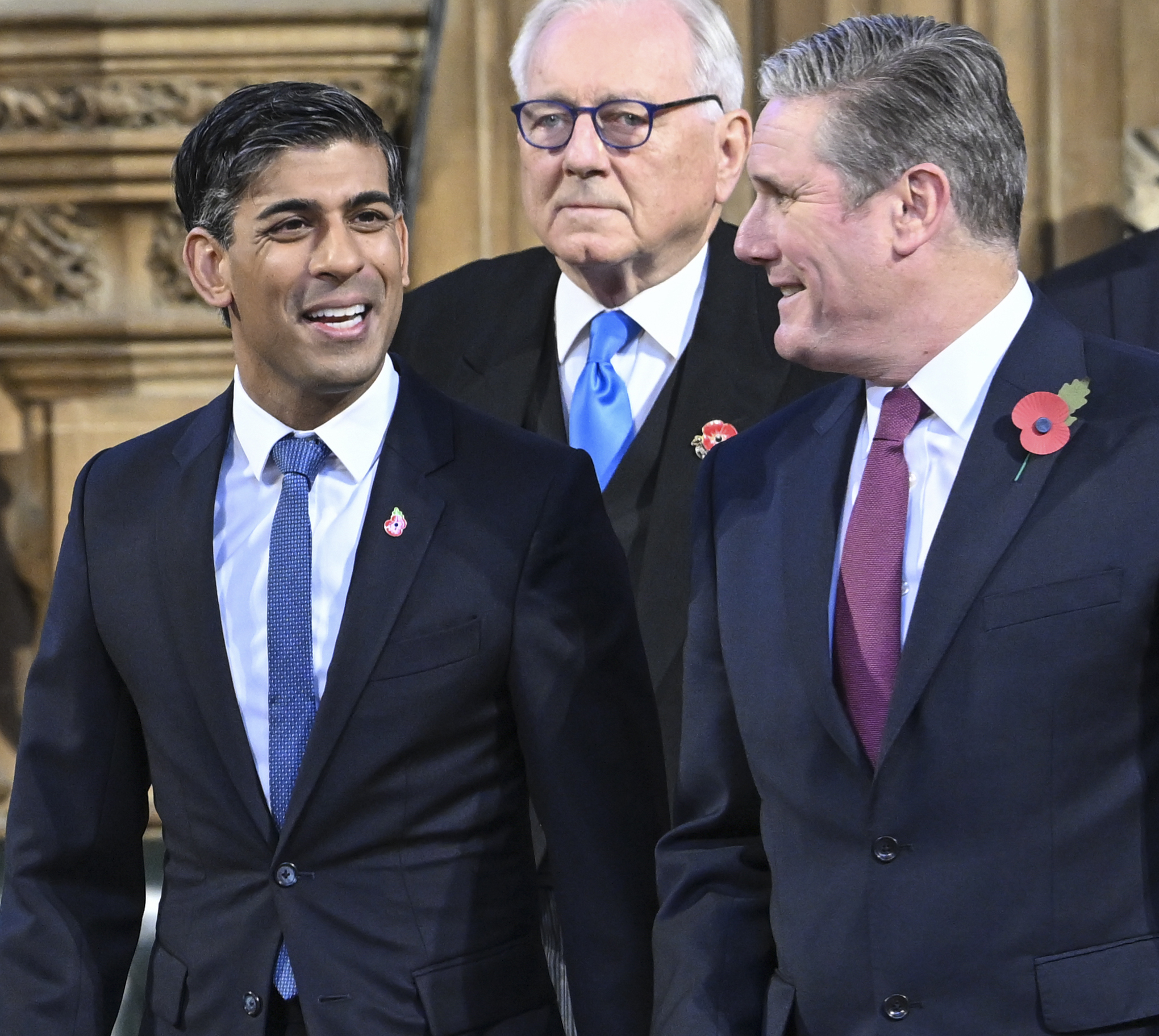
Andy Burnham was sworn in as a Member of Parliament in the House of Commons on Monday after winning the Makerfield by-election [1].
The transition marks a significant shift in British leadership. Prime Minister Keir Starmer announced his resignation following the by-election result, clearing a path for Burnham to potentially lead the Labour Party and the country.
Burnham won the Makerfield seat during the week of June 15-21 [1]. His entry into Parliament comes at a time of high political volatility, with the possibility that he could become Britain's seventh leader in 10 years as early as next month [1].
The swearing-in ceremony took place at Westminster in London. The event follows a period of uncertainty regarding the premiership, as reports indicated Starmer had been considering his political future since the by-election victory [2].
Burnham, the former mayor of Greater Manchester, is currently viewed as the frontrunner to succeed Starmer as Labour leader [2]. His victory in Makerfield provides the necessary parliamentary seat to pursue the premiership.
Starmer said he was quitting to pave the way for Burnham [1]. This move resolves the tension between the outgoing prime minister and the rising influence of the former mayor within the party ranks.
“Andy Burnham was sworn in as a Member of Parliament in the House of Commons on Monday”
The resignation of Keir Starmer and the ascent of Andy Burnham signal a pivot in the Labour Party's leadership strategy. By securing a seat in the House of Commons through the Makerfield by-election, Burnham has removed the primary legal and political hurdle to becoming Prime Minister. This rapid succession reflects a broader trend of instability in the UK's executive office, potentially accelerating a change in government direction by July 2026.


