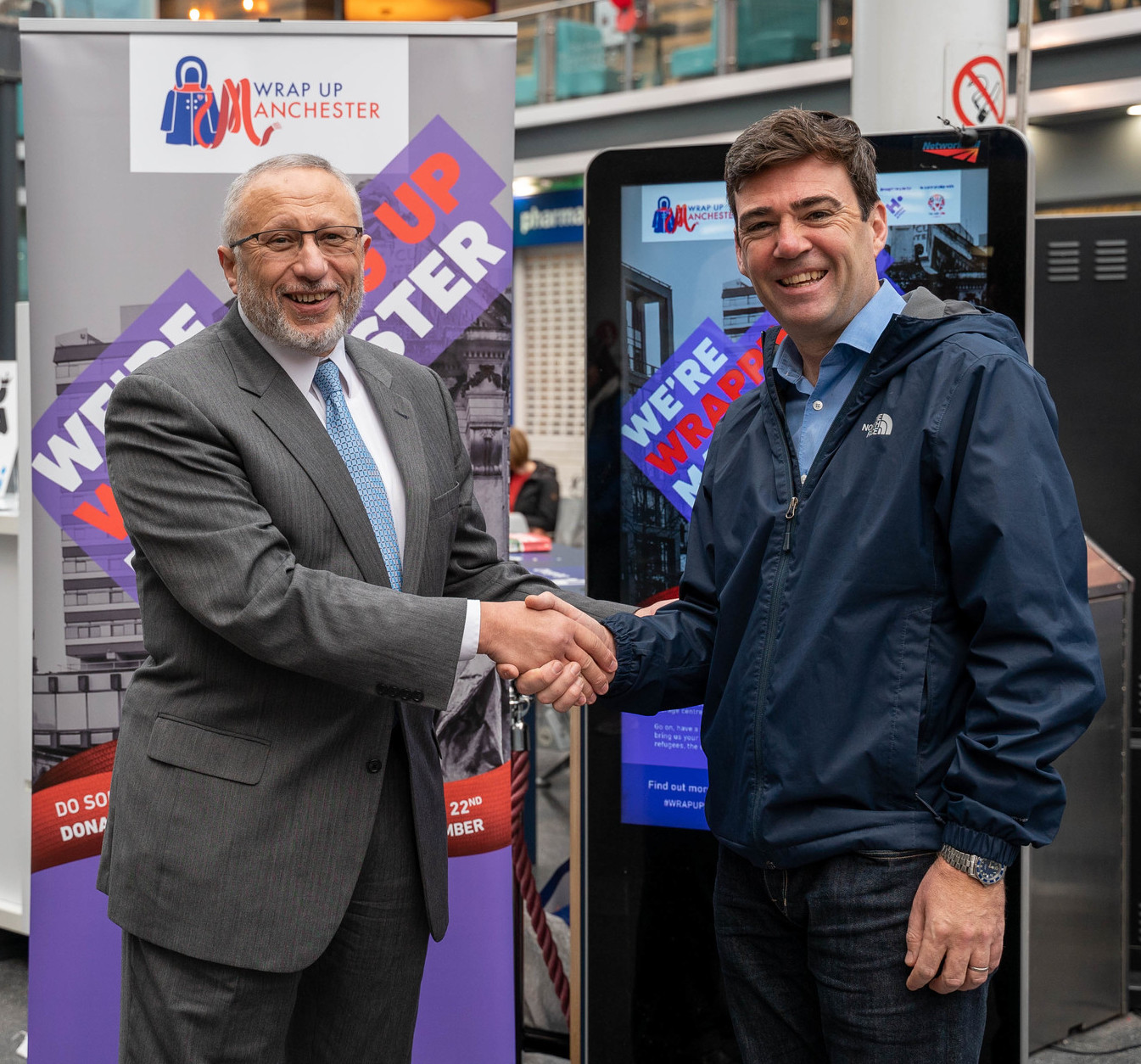
Andy Burnham, a Labour leadership frontrunner and former mayor of Greater Manchester, pledged Monday to decentralize power from the central government to local authorities.
This proposal marks a significant shift in the party's approach to governance, aiming to address economic disparities and restore public trust in a political system Burnham describes as failing.
Speaking in Manchester, Burnham said the current state of governance in the capital is untenable. "Westminster is broken," he said [1]. He outlined a vision to "fix politics" and deliver what he termed "good growth in every British postcode" [2, 4].
Burnham intends to reform public procurement and grant local governments more authority to make decisions that affect their specific regions [2, 3]. He said, "We will hand more power to local governments if I become UK leader" [2].
The proposal focuses on a redistribution of authority that Burnham believes will create a more balanced national economy. "We are bringing about the biggest rebalancing of power our country has seen," he said [5].
Burnham's perspective is shaped by his experience in regional administration, having spent nine years as mayor of Greater Manchester [3]. He argues that moving power away from the center is the only way to ensure economic outcomes are improved for citizens outside of London [1, 3].
While Burnham emphasizes empowering local governments, some reports suggest a nuanced approach to existing devolved parliaments. While he seeks to empower local bodies, there are indications he may seek to adjust how power is distributed among established devolved parliaments [6].
“"Westminster is broken"”
Burnham's platform represents a challenge to the traditional 'top-down' model of British governance. By focusing on devolution, he is positioning himself as a candidate who prioritizes regional economic equity over central control, potentially appealing to voters in the 'Red Wall' and other areas that feel neglected by the London-centric political establishment.
![Secretary of State Michael R. Pompeo meets with Omani Sultan Haitham bin Tarik Al Said, in Muscat, Oman, on August 27, 2020. [U.S. Embassy Muscat photo/ Public Domain]](https://upload.wikimedia.org/wikipedia/commons/c/c7/Secretary_Pompeo_Meets_with_Omani_Sultan_Haitham_bin_Tarik_Al_Said_%2850273700653%29.jpg)

