Andy Burnham became the prime minister of the United Kingdom on Monday, July 20, 2026 [2].
The leadership transition occurs during a period of significant political volatility for the country. Burnham is the seventh person to hold the office of prime minister in the last 10 years [1].
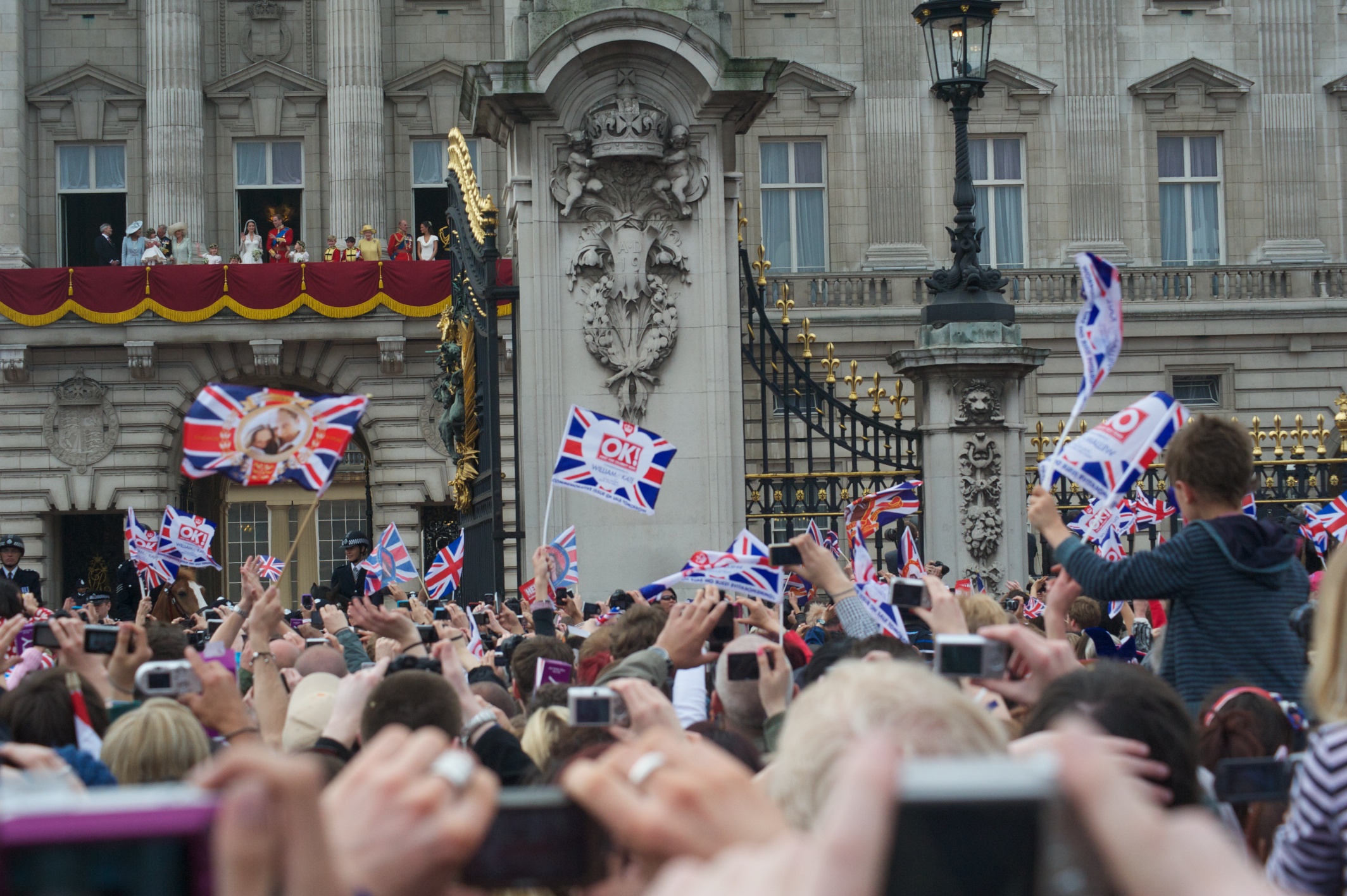
Burnham, the leader of the governing Labour Party and former mayor of Greater Manchester, was appointed at Buckingham Palace following a meeting with King Charles III [1, 2]. After the ceremony, he entered Downing Street to begin his tenure. The appointment follows the resignation of Keir Starmer (Labour), who said, "I go with good grace" [2].
Addressing the public via ITV News, Burnham focused on immediate economic pressures facing the British population. He said, "I want to make a difference to the cost of living before the end of the year."
Burnham did not provide a complete legislative roadmap during his initial remarks but indicated that a strategy is currently being developed. He said, "I am finalising the details of the exact policy plans, and we will move at a fast pace."
The transition marks a shift in leadership within the Labour Party as it continues to manage the government's domestic and international agenda. Burnham's rapid move toward policy finalization suggests an intent to stabilize the administration quickly after the departure of his predecessor.
“I want to make a difference to the cost of living before the end of the year.”
The appointment of Andy Burnham underscores a continuing trend of leadership instability within the UK's executive branch. By prioritizing the cost-of-living crisis in his first remarks, Burnham is signaling that economic relief is his primary metric for early success, aiming to prevent further political erosion by delivering tangible financial results before the current calendar year ends.


