Andy Burnham was confirmed as the leader of the governing Labour Party on Friday and is set to become prime minister [1, 2].
The transition marks a pivotal shift in British leadership as the country grapples with economic instability and international conflict. Burnham takes over following the decision by Keir Starmer to step down from his position [1, 2].
Burnham is scheduled to officially become prime minister on Monday, July 20, 2026 [1, 2]. He enters office during a period of significant domestic and global volatility. The incoming leader will inherit two ongoing wars [1].
In a statement to the Mirror, Burnham focused on the psychological state of the electorate. "I will give hope back to the country," he said [3].
Burnham intends to prioritize the cost-of-living crisis as a central pillar of his administration. He said to Al-Ahram English, "We need a new path for Britain" [1].
Internal party stability is another priority for the new leader. Burnham said, "I will run a Labour government without infighting and factional politics" [4].
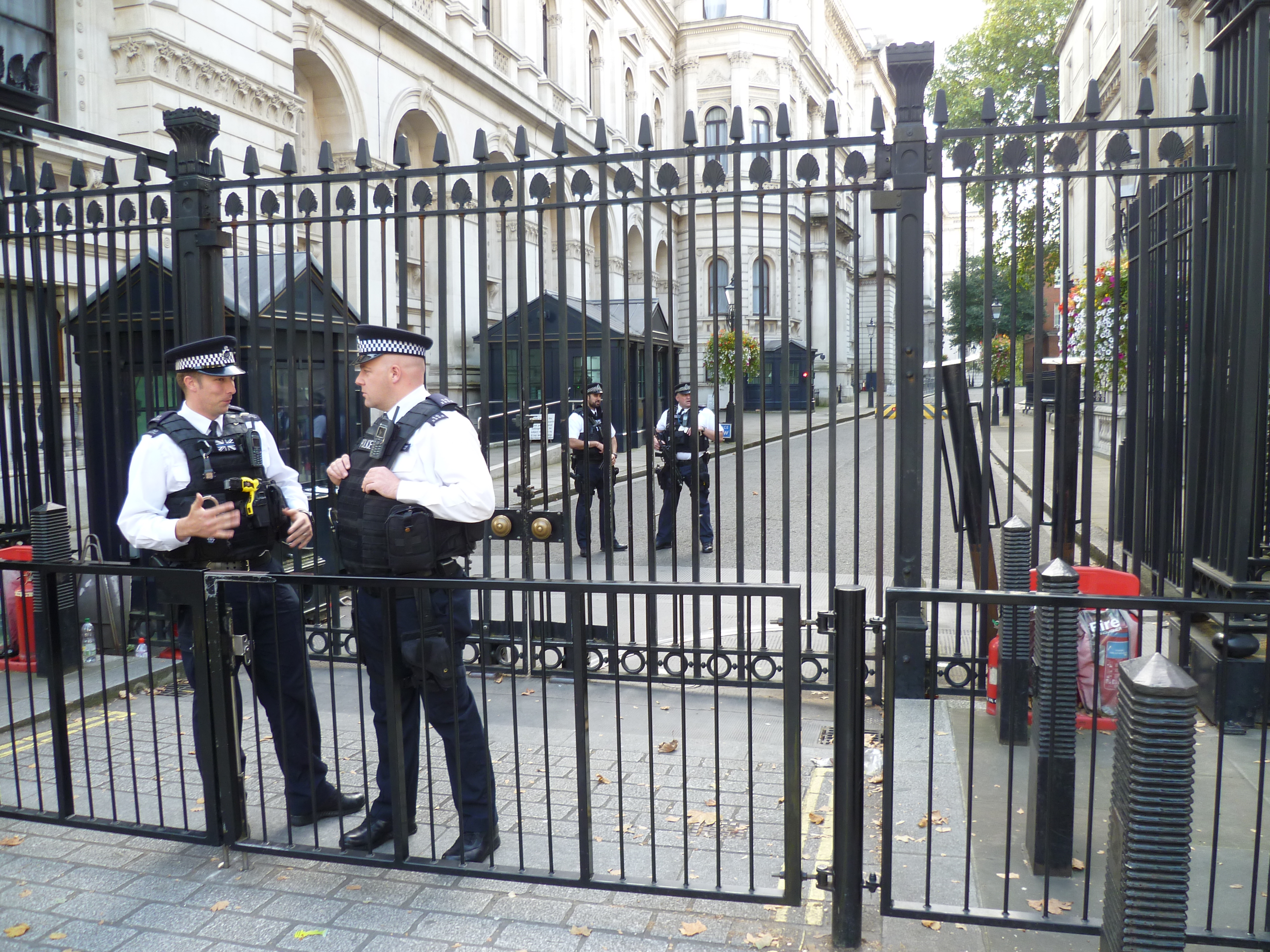
His appointment comes as the party seeks to maintain its governing majority while addressing systemic economic pressures. The transition to 10 Downing Street will occur this coming Monday [1, 2].
“"I will give hope back to the country."”
The ascension of Andy Burnham to the premiership represents a strategic attempt by the Labour Party to reset its public image and stabilize its internal hierarchy. By focusing on the cost-of-living crisis and promising an end to factionalism, Burnham is attempting to pivot away from the frictions of the Starmer era. His ability to navigate two active international conflicts while managing domestic economic distress will likely define the early success or failure of his tenure.