Prominent anime creators including Yoshitaka Amano said that artificial intelligence cannot replace the essential human touch and creative intent in animation.
This stance comes as AI tools increasingly enter the production pipeline, sparking a debate over whether algorithmic efficiency can coexist with traditional artistry. The creators argue that the soul of the medium relies on elements that machines cannot replicate.
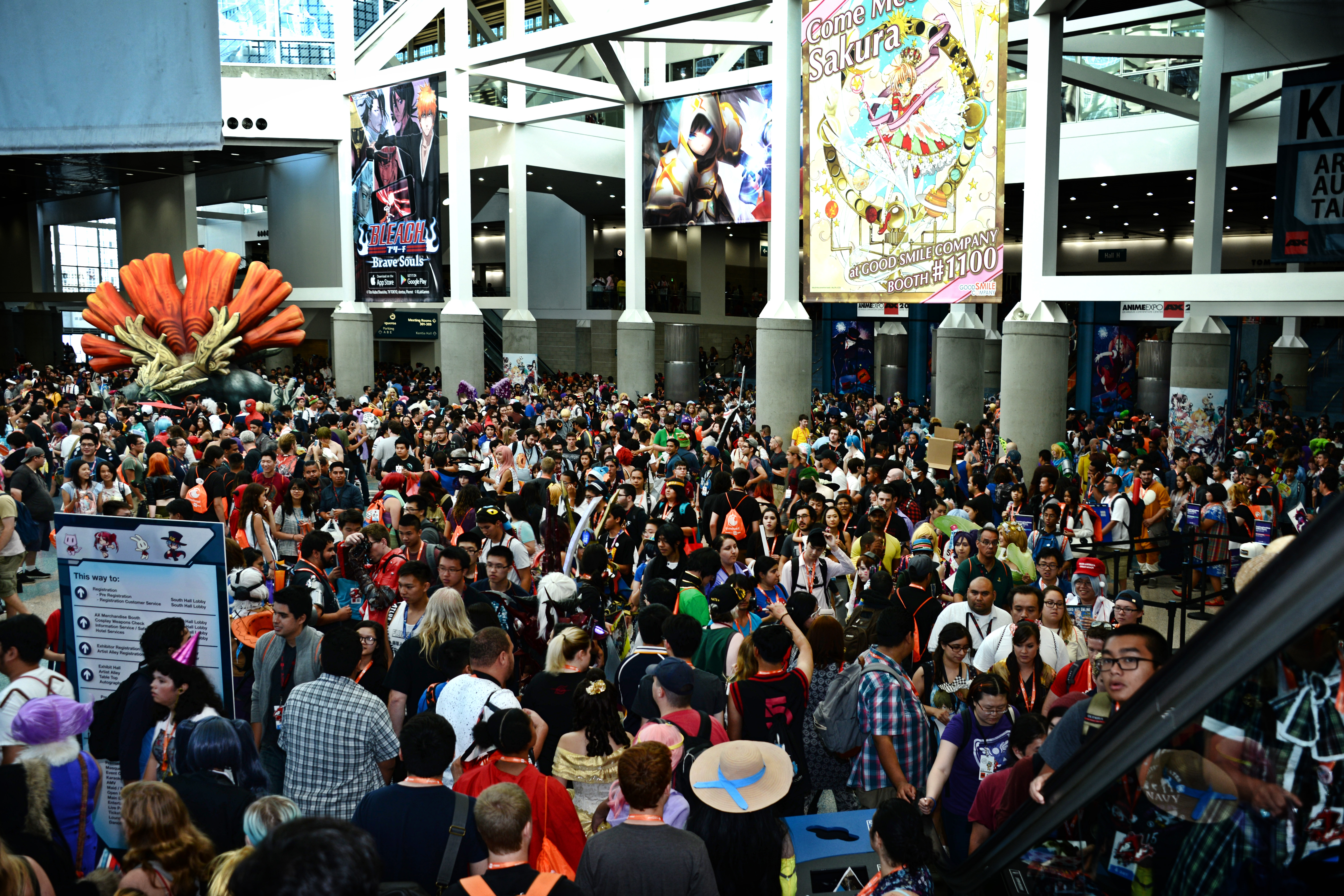
Speaking at Anime Expo, Amano, known for his work on Final Fantasy and other major projects, focused on the value of human error. "We need to consider the imperfections that make art beautiful," Amano said [2]. He suggested that these flaws are not mistakes to be corrected by software, but are instead the very components that give a piece of art its emotional resonance.
Other creators associated with influential works such as Ghost in the Shell and ZAN joined the discussion on the necessity of intentionality. They noted that while AI can mimic styles, it lacks the conscious decision-making process that defines a creator's vision. "Creative intent is what separates human-made art from AI-generated content," the creators said [1].
For Amano, the distinction is a matter of fundamental necessity for the medium. "The human touch is essential to anime," Amano said [2]. This perspective posits that the connection between the artist and the viewer is forged through shared human experience, and the specific, deliberate choices made during the drawing process.
The conversation at the expo highlighted a growing movement among top-tier artists to protect the hand-drawn nature of the craft. By championing the "human touch," these creators are attempting to establish a boundary between generative tools and the high-level conceptual work required for prestige animation.
“"The human touch is essential to anime."”
As generative AI continues to automate visual production, the anime industry is seeing a strategic pivot toward 'human-centric' branding. By framing human imperfection and intentionality as premium assets, creators are attempting to maintain the economic and cultural value of hand-drawn art in a market that may otherwise prioritize the speed and lower cost of AI-generated imagery.


