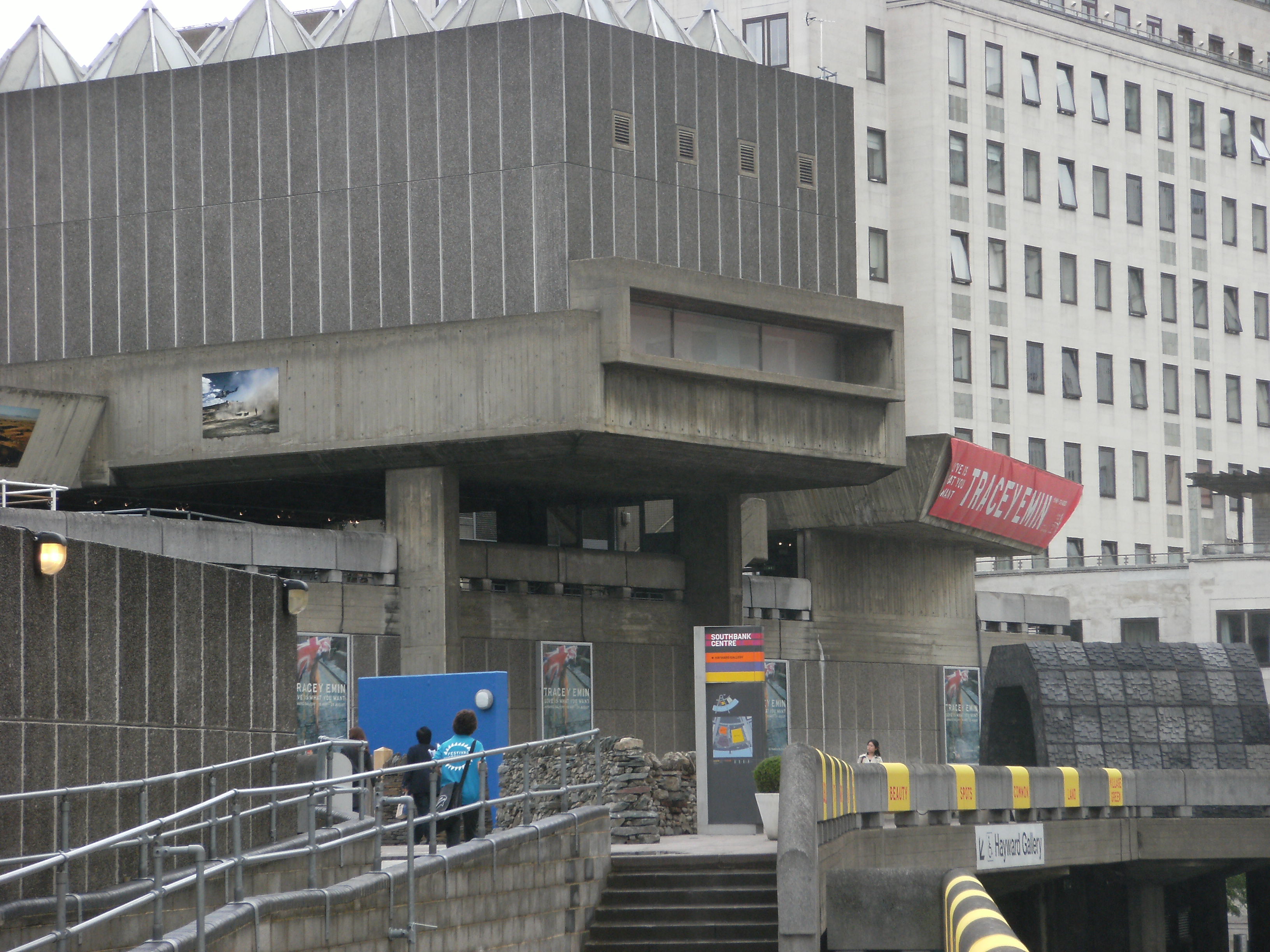
Anish Kapoor is currently exhibiting a series of sculptures and installations at the Hayward Gallery in London that explore themes of perception [1].
These works matter because they push the boundaries of how viewers interact with physical space. By utilizing mirrors and darkness, Kapoor forces the audience to question their own visual senses and the stability of their surroundings.
The exhibitions focus on the concept of the sublime, using large-scale forms to evoke a sense of awe and disorientation [2]. The installations are designed to manipulate the viewer's sense of depth and distance, often making solid objects appear to vanish or shift as the observer moves through the gallery [3].
Kapoor, a Turner Prize-winner [1], has a history of creating immersive environments that demand active participation from the public. The current collection at the Hayward Gallery continues this trend by integrating darkness, and reflective surfaces to blur the line between the art and the observer [2].
Critics have noted the psychological impact of these works. One review said, "Anish Kapoor can demand quite a lot from his audience" [4]. The installations aim to place the viewer in a state of uncertainty, where the physical environment feels unpredictable.
Other commentary highlights the existential nature of the sculptures. A report said, "Forms vanish and perspectives shift. Anish Kapoor leads the viewer to the edge of the abyss — and sometimes, even beyond" [5]. This approach reflects Kapoor's ongoing interest in the void and the unseen elements of the physical world.
“Anish Kapoor can demand quite a lot from his audience.”
Kapoor's focus on the 'sublime' and the 'abyss' signifies a shift toward experiential art, where the value lies not in the object itself, but in the viewer's psychological reaction to it. By stripping away traditional visual anchors through the use of darkness and mirrors, the work highlights the fragility of human perception and the intersection of physical architecture and mental projection.


