Anna Wintour responded to rumors that she personally approves every celebrity look for the Met Gala, saying she does not have that responsibility.
This clarification addresses a long-standing industry perception regarding Wintour's level of control over the event's fashion. Because the Met Gala serves as a primary global barometer for luxury trends, the extent of Wintour's influence often shapes public discourse on creative freedom and curation.
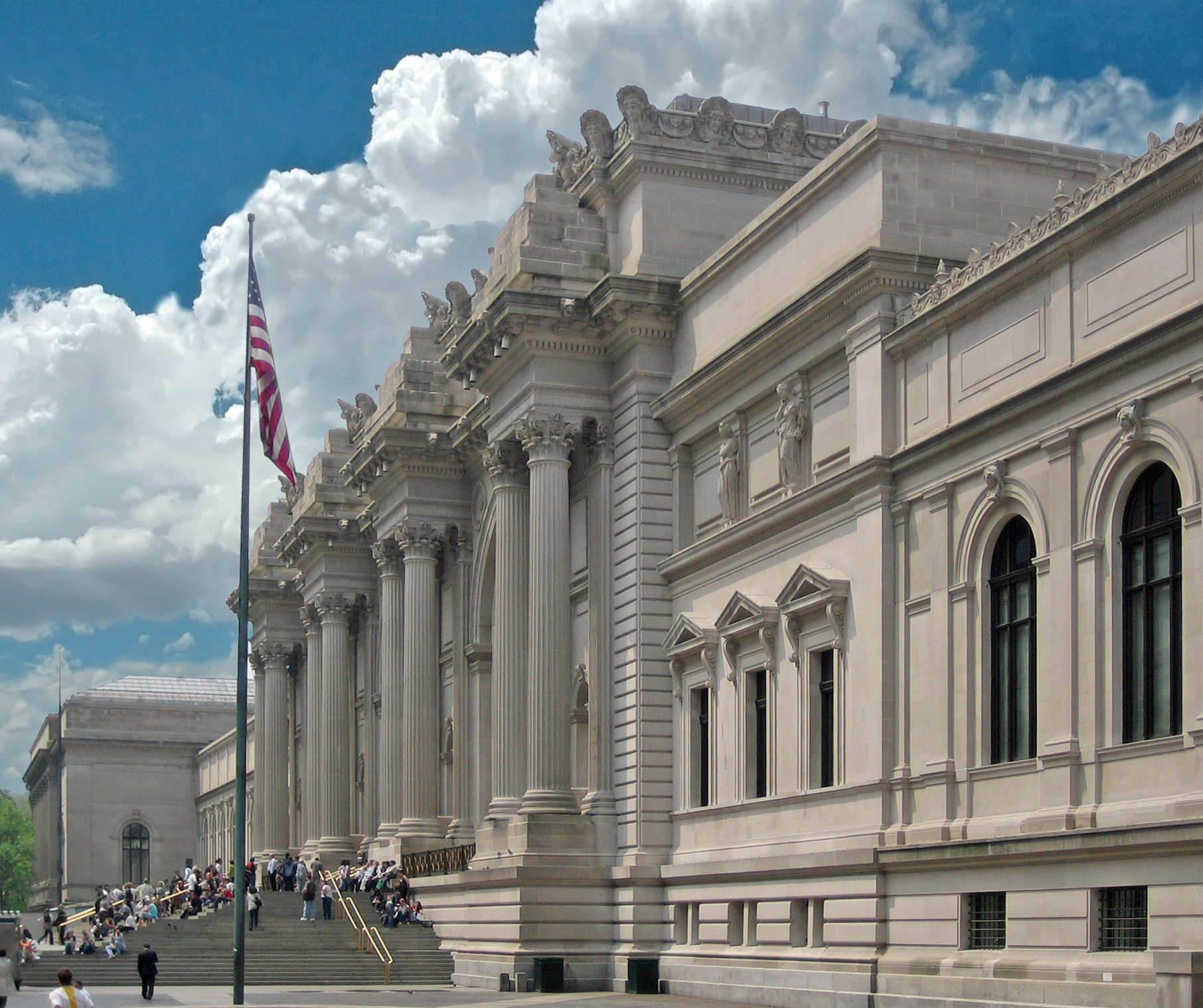
Wintour addressed the misinformation on May 4, 2026 [1], during the event held at the Metropolitan Museum of Art in New York City. The rumors suggested that the Vogue editor-in-chief maintains a final veto or approval power over every garment worn by the celebrity guests.
While Wintour is the primary organizer and face of the gala, she said that the responsibility for selecting and finalizing outfits rests with the celebrities and their respective stylists. The process involves various designers, and creative teams—not a single point of approval from the Vogue editor.
The event, which took place on May 4, 2026 [1], continues to be one of the most scrutinized nights in fashion. Wintour's decision to correct the record suggests a desire to shift the narrative away from the idea of a monolithic authority controlling the red carpet.
By distancing herself from the individual clothing choices, Wintour reinforces the role of the Met Gala as a collaborative exhibition of art and fashion. The event remains a critical intersection of celebrity culture and museum curation, where the visual impact is the result of numerous independent creative decisions.
“Anna Wintour responded to rumors that she personally approves every celebrity look for the Met Gala”
This clarification serves to decouple the individual fashion choices of guests from the administrative oversight of the gala. By denying a total approval mandate, Wintour preserves the image of the Met Gala as a platform for diverse creative expression rather than a strictly curated corporate production.


