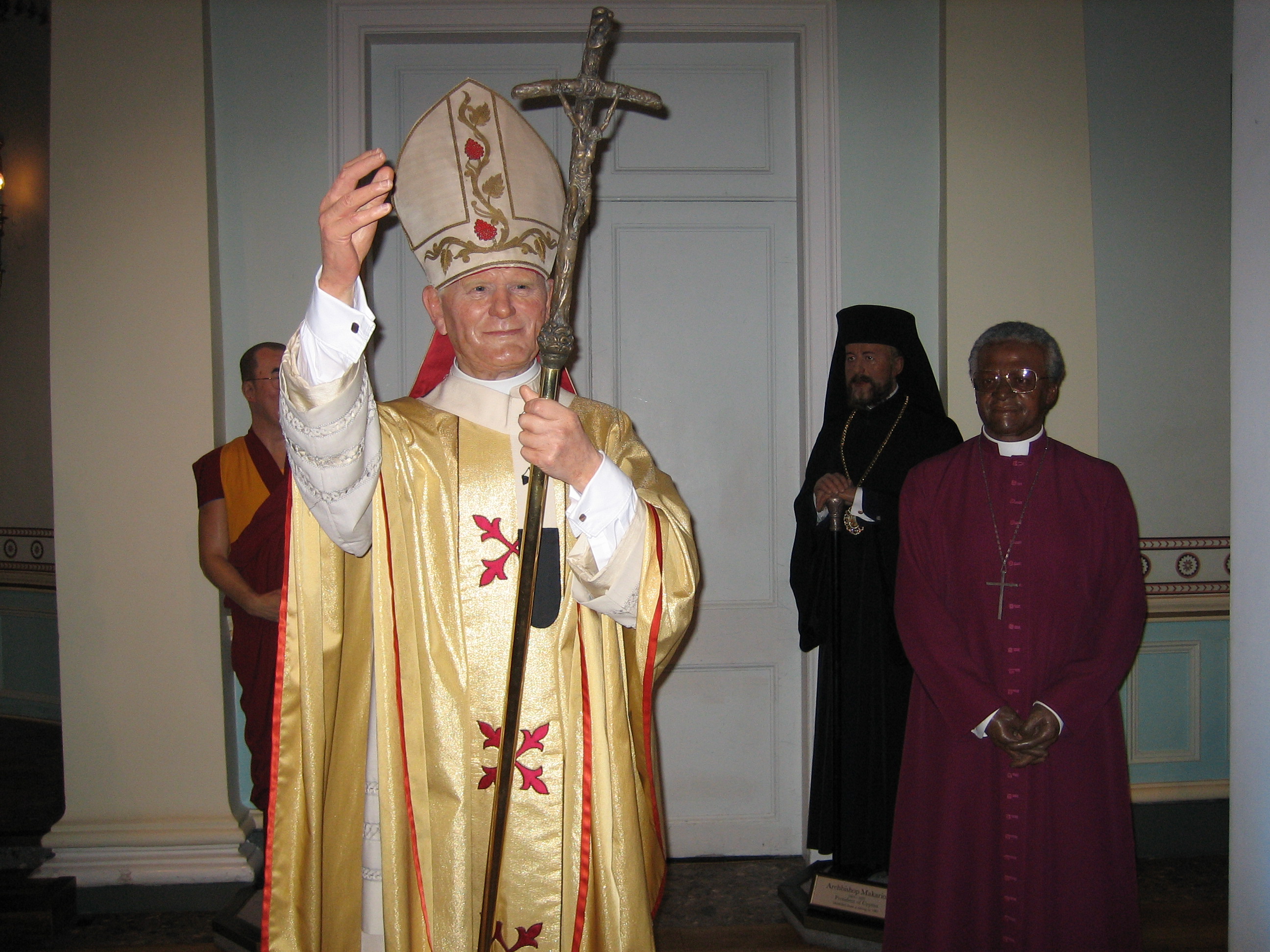
Anthropic hosted a discussion in London with more than a dozen religious thinkers to explore whether religion can provide a moral compass for AI [1].
The initiative marks a significant attempt by a major AI developer to integrate theological perspectives into technical ethical guidelines. As artificial intelligence systems increasingly influence social and moral decision-making, the company is seeking external frameworks to mitigate potential societal threats.
The meeting took place in late March 2024 [1]. During the event, Anthropic engaged with various religious leaders, including representatives of the Pope, to discuss the intersection of faith and machine learning. The company said it intends to use these insights to help shape the ethical boundaries of its AI systems [2].
Parallel to these ethical discussions, Anthropic announced plans to expand its physical presence in the United Kingdom. The company will open a large office in Central London’s Knowledge Quarter [1]. This new facility is designed to accommodate 800 people [1].
Religious leaders participating in the talks expressed concerns regarding the risks AI poses to society [2]. The dialogue focused on whether traditional moral values can be translated into the digital logic of large language models, a challenge that remains central to the debate over AI safety.
Anthropic said the goal of the gathering was to seek religious input to help shape ethical guidelines [2]. The company is positioning itself as a collaborator with global intellectual and spiritual leaders to ensure AI development aligns with human values.
“Anthropic hosted a discussion in London with more than a dozen religious thinkers”
By engaging religious leaders and establishing a significant footprint in London's Knowledge Quarter, Anthropic is attempting to bridge the gap between technical alignment and global moral philosophy. This move suggests that technical safeguards alone may be insufficient for public trust, requiring the company to seek legitimacy through established cultural and spiritual institutions.