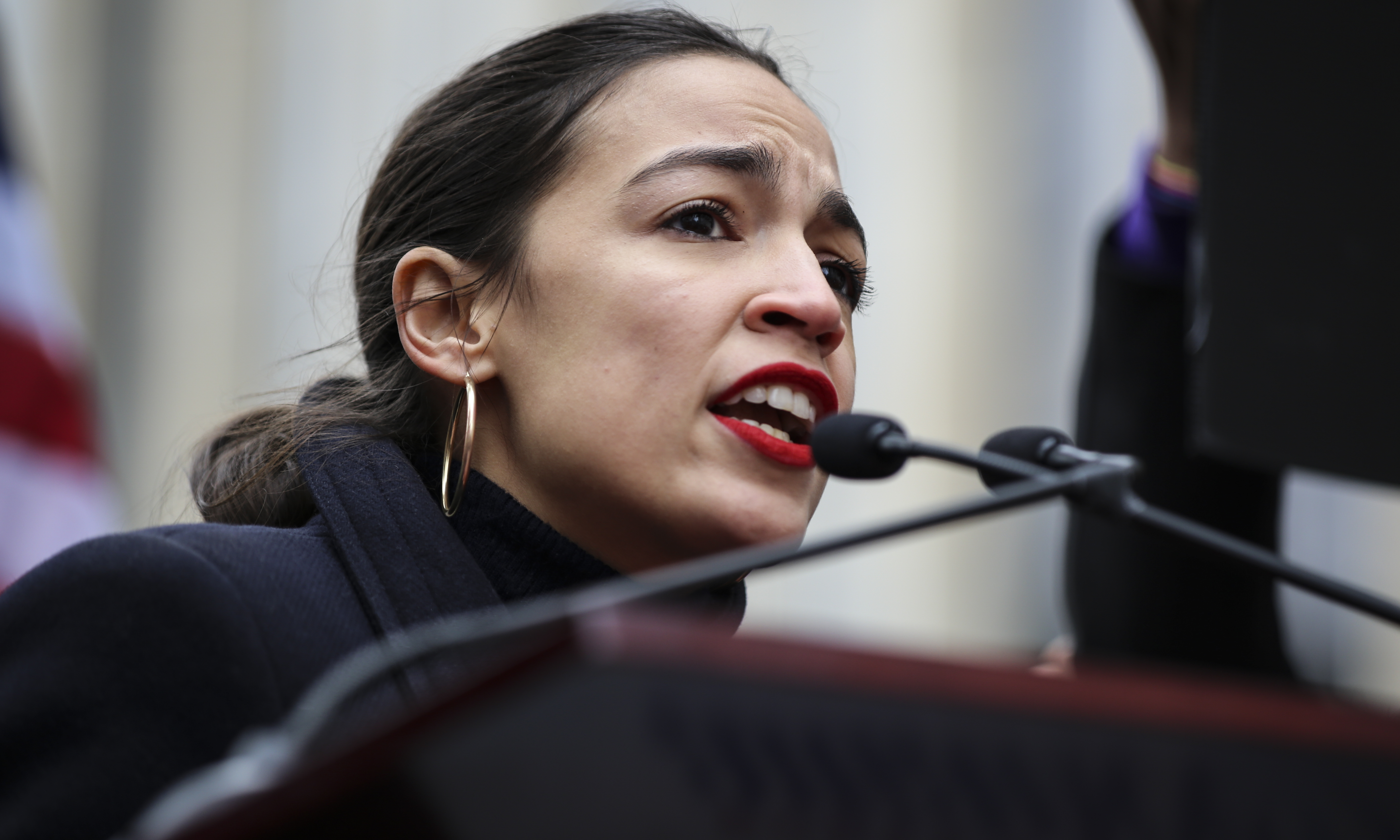
Rep. Alexandria Ocasio-Cortez (D-NY) is being discussed as a possible Democratic nominee for the 2028 presidential election [1].
The conversation centers on whether the congresswoman can translate her progressive influence into a winning national coalition. Analysts are debating if her profile makes her a viable contender or a risk in a general election [1, 2].
This week, a battleground state poll in New Hampshire showed Ocasio-Cortez in the lead among Democratic voters for the 2028 primary [3, 4]. The Boston Globe editorial board said that for the first time, a Latina leads a presidential primary poll in one of the whitest states in the country [4].
However, other early polling suggests a different landscape. A report from June 11 noted that former Vice President Kamala Harris remains the front-runner in early 2028 Democratic primary polling [5].
Supporters suggest that the political climate has shifted in favor of the congresswoman's platform. A USA Today columnist said, "Socialism no longer carries the baggage it once did in the Democratic Party. An AOC run in 2028 offers something Bernie Sanders couldn't in 2016" [2].
Several factors are cited as potential boosters for her candidacy, including progressive anger, and economic frustration [1, 2]. These elements, combined with a shifting view of socialism, may provide the momentum necessary to challenge established party favorites [2].
Ocasio-Cortez has responded to the reports as polls place her high for the nomination [3]. The debate persists over whether her specific brand of democratic socialism can appeal to the broader electorate required for a general election victory [2].
“A battleground state poll showed her in the lead among Democrat voters for the 2028 primary.”
The emergence of Ocasio-Cortez in early 2028 polling indicates a potential shift in the Democratic primary's ideological center. While Kamala Harris maintains a lead in broader early metrics, the New Hampshire results suggest that the progressive wing of the party is gaining traction in traditional early-voting states. The central tension for the party will be balancing this progressive energy against the perceived risk of running a democratic socialist in a general election.


