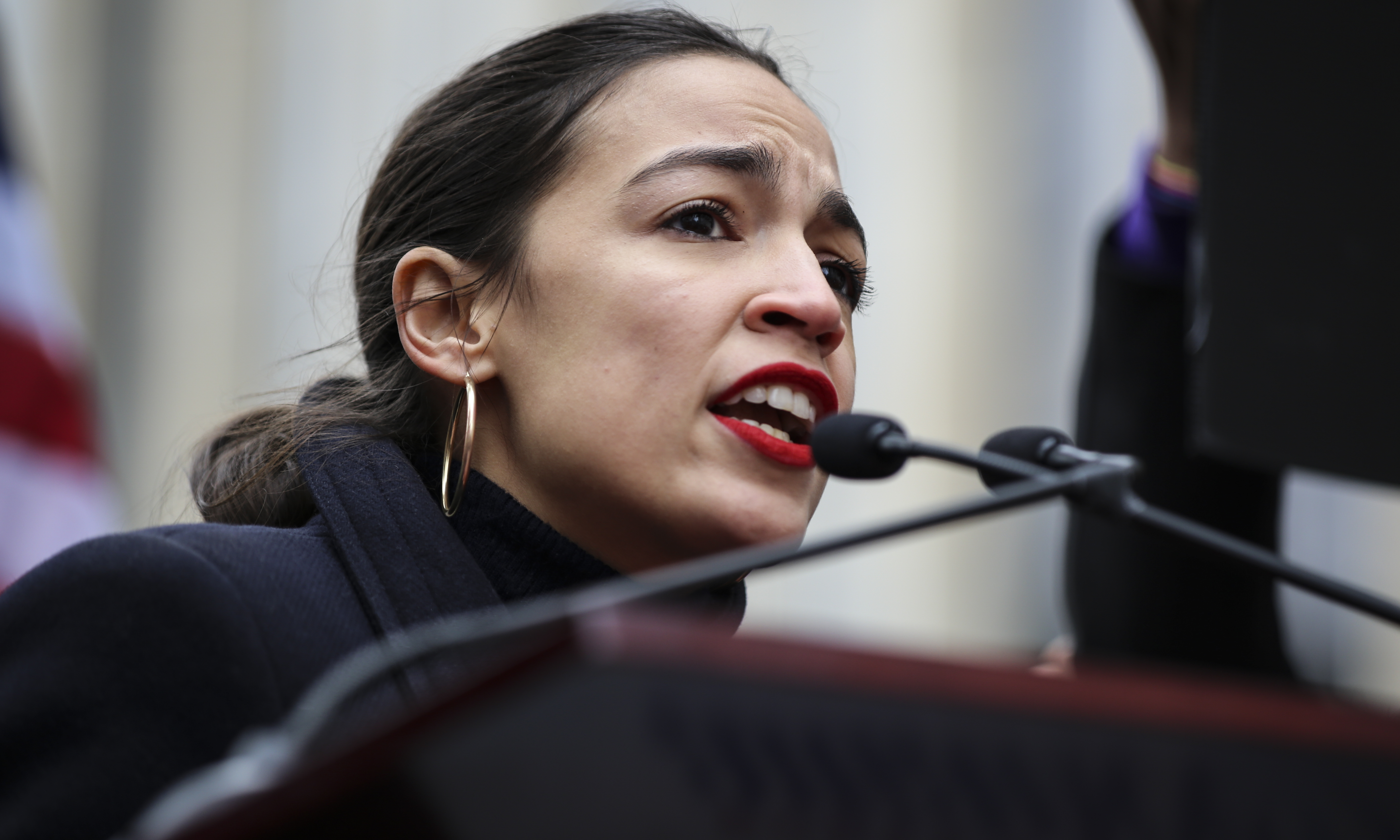
Rep. Alexandria Ocasio-Cortez (D-NY) has secured the Democratic nomination for her U.S. House seat in New York [3].
This development signals a shift in power dynamics within the party, as the congresswoman leverages her influence to shape the Democratic platform and future candidate selections.
Ocasio-Cortez is viewed as having a larger strategic margin of maneuver than many senior Republicans [2]. This positioning is bolstered by her high-profile endorsements and perceived credibility with the party's progressive base [1]. During the June 2026 primary season, the party's direction has been a central point of contention [4].
Some observers said that the absence of clear, unified party leadership has created a vacuum that Ocasio-Cortez is filling [1]. While some analysts said the Democratic Party lacks a single decisive leader [5], others point to the congresswoman's ability to influence midterm endorsements as evidence of her growing authority [3].
These factors have placed her in a position to potentially seek the presidency in 2028 [1]. Her ability to mobilize the party's left wing has made her a key figure in determining which candidates receive support in current contests [3].
The strategic edge Ocasio-Cortez maintains is tied to her ability to navigate the internal rift between the party's moderate, and progressive wings [2]. By securing victories in New York, she has demonstrated a viable path for progressive candidates to maintain power while expanding their national reach [2].
“AOC’s New York victories and endorsements give her a larger margin of maneuver than many senior Republicans.”
The rise of Rep. Ocasio-Cortez as a strategic power center suggests a shift toward the progressive wing of the Democratic Party. In the absence of a centralized leadership structure, her ability to act as a kingmaker for midterm endorsements and her ability to maintain a stronghold in New York provide a blueprint for a potential national run in 2028.


