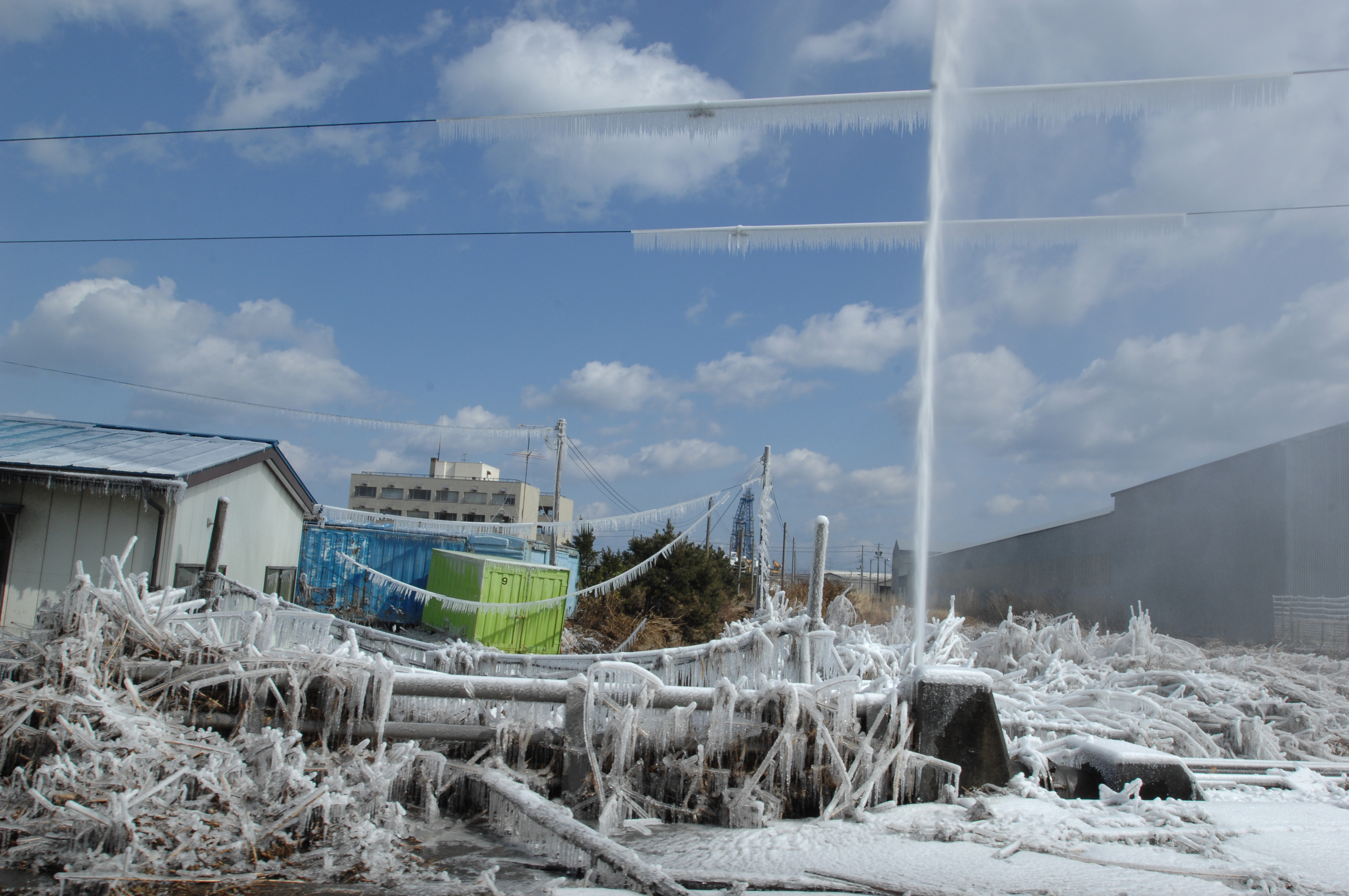
A strong earthquake struck Aomori Prefecture on Thursday, reaching a maximum observed intensity of shindo 6+ [1].
The event triggered immediate safety reviews of critical infrastructure in northern Japan, where nuclear power plants and fuel facilities are located. Because of the region's seismic history, any significant tremor prompts scrutiny of radiation levels and structural integrity to prevent industrial disasters.
The Atomic Energy Regulatory Commission said no abnormalities were confirmed at the Tohoku nuclear plant or the Rokkasho spent-fuel facility [1]. The agency said the Onagawa nuclear plant in nearby Miyagi Prefecture remained stable [1]. Monitoring posts measuring radiation levels in the surrounding areas showed no changes [1].
Reports on the quake's intensity varied slightly between sources. While one report cited a maximum intensity of shindo 6+ [1], another source recorded the intensity as shindo 5+ [3].
Infrastructure beyond the energy sector remained operational. NTT East Japan and four major mobile carriers said telecommunications were not impacted by the shaking [1].
The Japan Gas Association said there were no abnormalities in the gas supply [1]. However, the association advised residents to manually restore their gas meters if the devices had automatically shut off during the quake [1].
“No abnormalities were confirmed at the Tohoku nuclear plant or the Rokkasho spent-fuel facility.”
The lack of damage to the Tohoku and Onagawa plants, as well as the Rokkasho facility, demonstrates the resilience of Japan's reinforced nuclear infrastructure against high-intensity tremors. The immediate stability of telecommunications and gas grids suggests that the primary impact of this event was seismic shock rather than systemic infrastructure failure.


