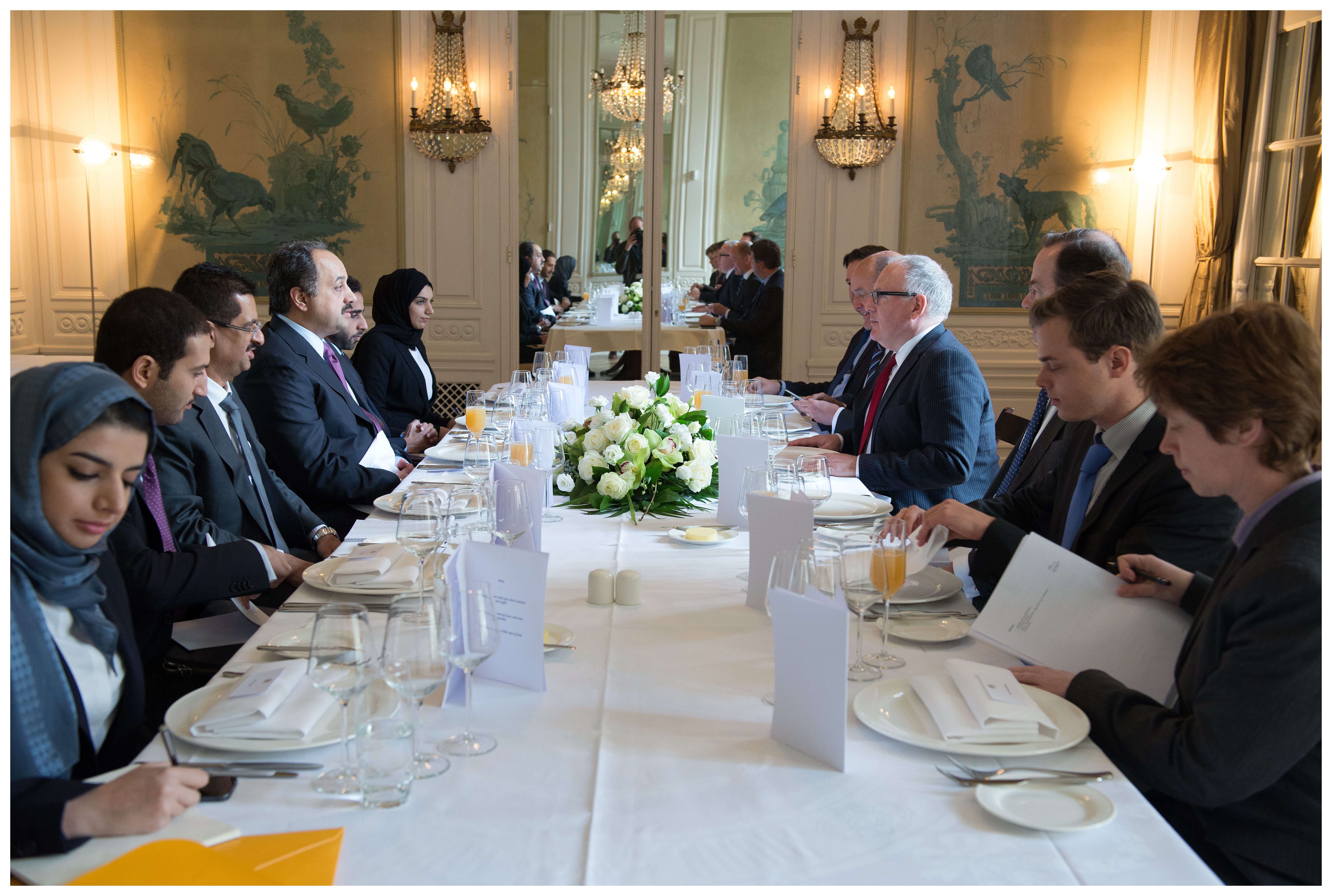
The Arab League said that Iran does not have the legal right to control the Strait of Hormuz [1].
This dispute centers on one of the world's most critical maritime chokepoints. Because the strait serves as the primary artery for global oil and gas shipments, any restriction on transit threatens international energy security and global economic stability.
Discussions regarding the legality of Iranian control intensified in April 2026 [2]. The Arab League, represented by Secretary-General Ahmed Aboul Gheit, said that such control is illegal under international law [1]. The waterway, situated between Iran and Oman, remains a focal point of friction between Tehran, the U.S., and Gulf states [3].
Regional tensions have already impacted global markets. On one Wednesday in April 2026, oil prices rose by more than 1% [4] amid the escalating friction between the U.S. and Iran. This volatility highlights how diplomatic disagreements over the strait translate into immediate financial pressure for consumers worldwide.
International observers note that the struggle for influence in the strait is not merely a legal debate but a strategic one. Germany and other global powers monitor the situation closely, as the flow of energy remains sensitive to regional political shifts [5]. The Arab League continues to advocate for the freedom of navigation to ensure that no single nation can weaponize the passage of commercial vessels.
While Iran maintains its regional interests, the opposing view from the Arab League suggests that the strait must remain an open international corridor. The lack of consensus on these maritime boundaries continues to fuel the risk of naval confrontations in the Persian Gulf [6].
“The Arab League said that Iran does not have the legal right to control the Strait of Hormuz.”
The ongoing dispute over the Strait of Hormuz reflects a broader geopolitical struggle for dominance in the Persian Gulf. By challenging Iran's claims to the waterway, the Arab League is attempting to solidify an international legal framework that prevents any single regional power from controlling the global energy supply. If a diplomatic resolution is not reached, the risk of military escalation increases, which could lead to prolonged spikes in global energy costs.