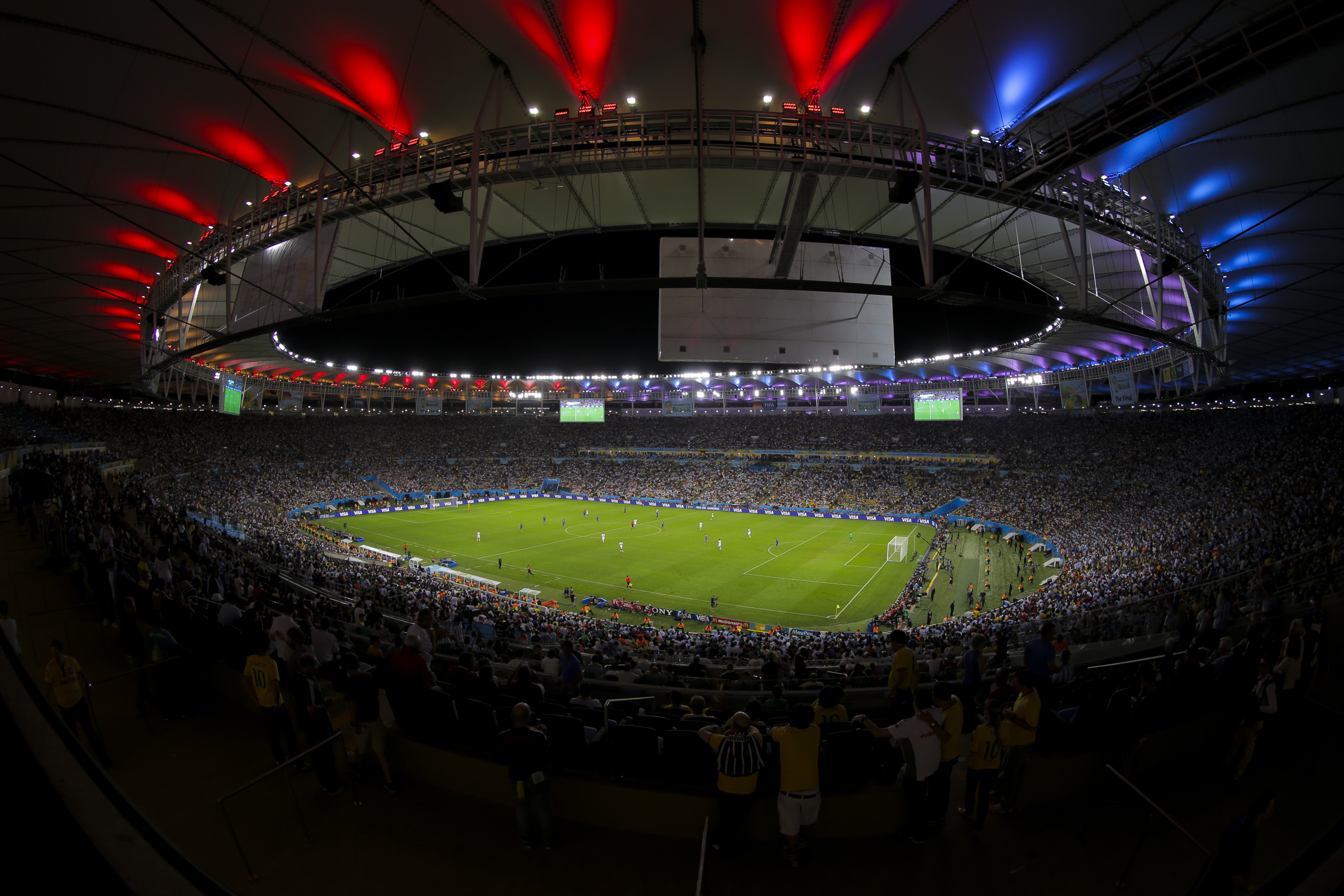
Argentina defeated Egypt 3-2 in a Round of 16 match during the 2026 FIFA World Cup [1].
The result keeps the defending world champions in the tournament but has sparked a diplomatic and sporting row over the integrity of the Video Assistant Referee (VAR) system. Egypt's coaching staff alleges that inconsistent officiating shifted the momentum of the match to favor Argentina.
Egypt held a 2-0 lead for a significant portion of the game [2]. Argentina began their comeback late in the match, eventually equalizing with only 11 minutes of regulation time remaining [3]. The match ended in a 3-2 victory for Argentina [1].
Following the match, Egypt coach Hossam Hassan said the team was cheated. He pointed to specific officiating decisions that he believes altered the outcome of the game.
"We were penalised for a minor foul and denied a clear penalty. It feels like we were robbed," Hassan said during a post-match press conference.
Hassan suggested that the officiating may have been influenced by the prestige of the opposing team. "Perhaps they wanted to keep the world champions in the competition," Hassan said.
The controversy centers on whether the VAR decisions were applied consistently to both teams. Egypt contends that the refereeing was biased to ensure Argentina advanced to the quarterfinals, a claim that challenges the perceived neutrality of the tournament's officiating standards.
“It feels like we were robbed.”
This incident highlights the ongoing tension between the implementation of VAR technology and the subjective interpretation of rules by officials. When a high-profile team like Argentina benefits from contested calls, it often leads to accusations of systemic bias, potentially damaging the perceived fairness of the FIFA World Cup's knockout stages.


