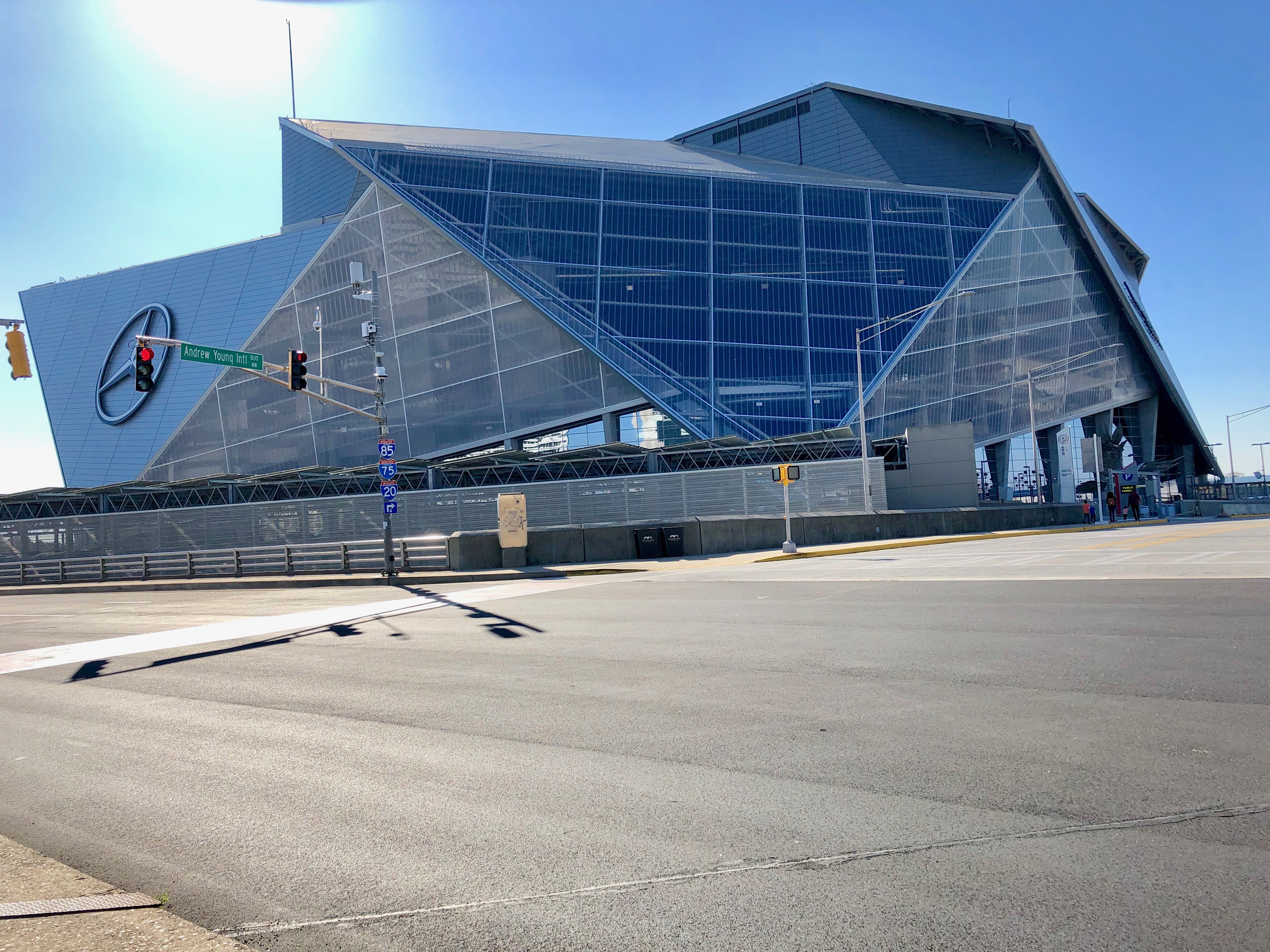
Argentine and English football fans gathered in downtown Atlanta this week for the pre-match festivities ahead of a World Cup semifinal [1, 2].
The gathering represents a critical security challenge for local authorities due to the historic and often volatile rivalry between the two nations [1]. Because the match is deemed high-risk, the city has implemented a massive security apparatus to prevent clashes between the opposing fan bases [1].
Thousands of English fans mixed with Argentine supporters in the city center [2]. The atmosphere remained tense but managed as the two groups occupied the streets of Georgia's capital. Local officials coordinated a multi-agency response to ensure the safety of the crowds, a necessity given the passion associated with this specific sporting matchup [1].
To secure the area, hundreds of police officers and federal agents were deployed [1]. The security detail included personnel from the Drug Enforcement Administration (DEA) and the Federal Bureau of Investigation (FBI) [1]. These agencies worked alongside local law enforcement to monitor the crowds and maintain order in the downtown district [1].
Fans from both nations arrived in Atlanta wearing their respective national colors, with Argentine supporters in blue and white and English supporters in white and red [1, 2]. The presence of federal agents indicates the level of concern regarding potential disturbances during the lead-up to the game [1].
Authorities have focused on maintaining a visible presence to deter violence while allowing fans to enjoy the pre-match experience. The coordination between city and federal assets reflects the scale of the event as the tournament reaches its final stages in the U.S. [1, 2].
“Thousands of English fans mixed with Argentine supporters in the city centre”
The deployment of federal agencies like the FBI and DEA for a sporting event underscores the perceived volatility of the Argentina-England rivalry. By treating the pre-match gathering as a high-risk security operation, U.S. authorities are prioritizing the prevention of civil unrest over standard crowd control, reflecting the geopolitical and social tensions that often accompany this specific football fixture.


