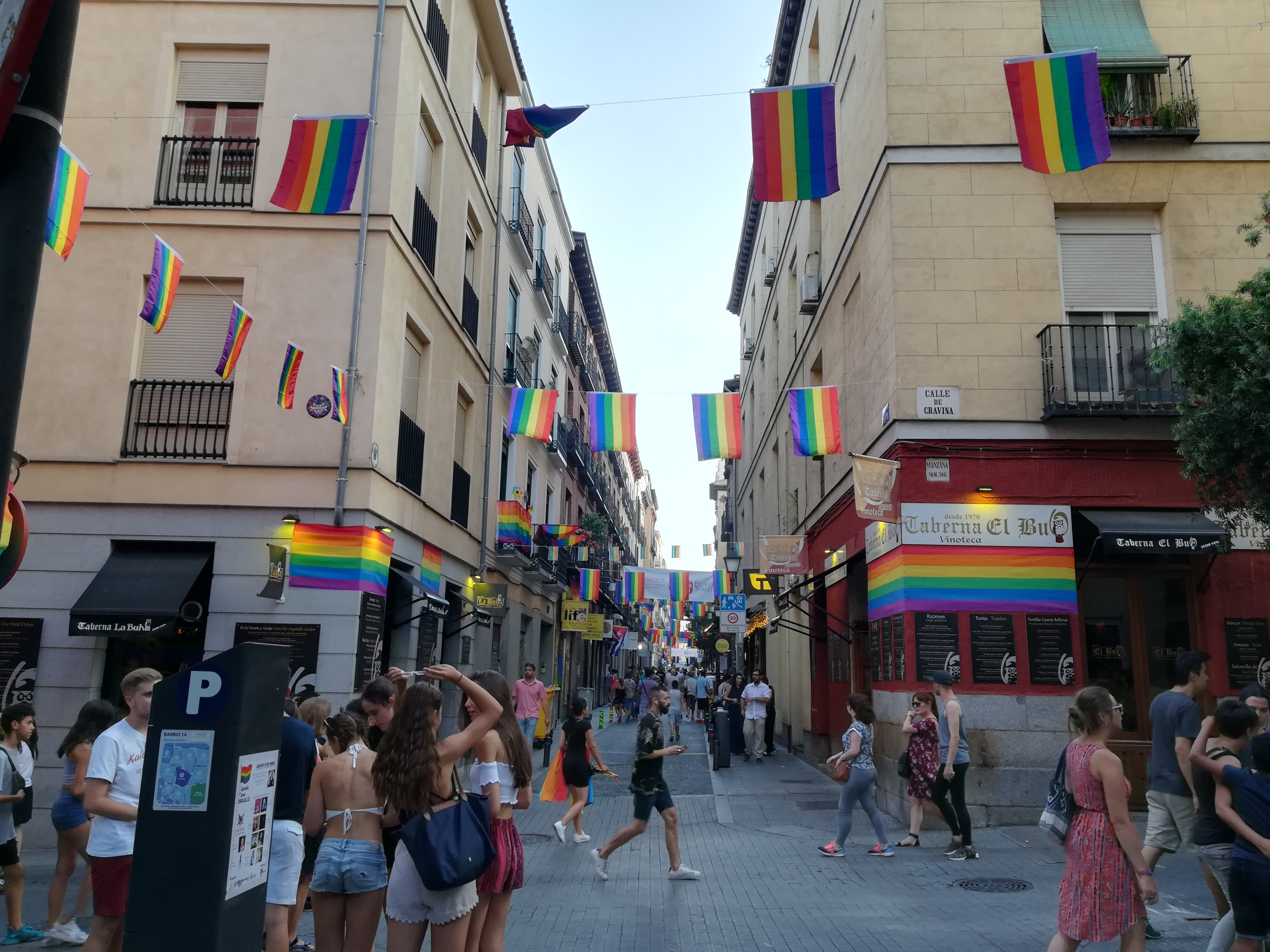
Thousands of Argentine football fans gathered in Times Square on Monday night to support their national team ahead of the 2026 World Cup [1].
The massive turnout in Manhattan highlights the global scale of the tournament and the intense passion surrounding Argentina's pursuit of another title. As a primary hub for international tourism, New York City has become a focal point for supporters who cannot attend the matches in person.
Reports on the gathering vary significantly regarding the atmosphere and the participants. Some sources said a festive scene where thousands of fans [1] from Argentina and Spain filled the square to sing and dance. These reports characterize the event as a peaceful "banderazo"—a traditional rally where fans wave flags to encourage their players [1].
Other accounts provide a different perspective of the night. Some reports said that violent clashes occurred between Argentine and Algerian fans [2], [3]. These accounts focus on physical altercations rather than the celebratory mood described by other outlets [3], [4]. Despite these reports of conflict, no arrests or injuries have been confirmed [2].
Financial pressures surrounding the tournament were also evident in the city. Some reports said that ticket resale prices for the event have climbed to over $9,000 [1]. This surge in pricing reflects the high demand for access to the 2026 matches as the tournament reaches its peak.
There is further contradiction regarding which match the fans were anticipating. Some sources said the gathering was a prelude to the World Cup final between Argentina and Spain [1]. However, other reports said the fans were gathering ahead of Argentina's debut match in the tournament [2].
“Thousands of Argentine fans filled Times Square to sing and dance.”
The conflicting reports regarding the Times Square gathering—ranging from a peaceful celebration with Spanish fans to violent clashes with Algerian supporters—suggest a fragmented information environment during high-traffic sporting events. The discrepancy in which match was being celebrated further indicates the difficulty of verifying real-time crowd dynamics in a chaotic urban setting like Manhattan during a global tournament.