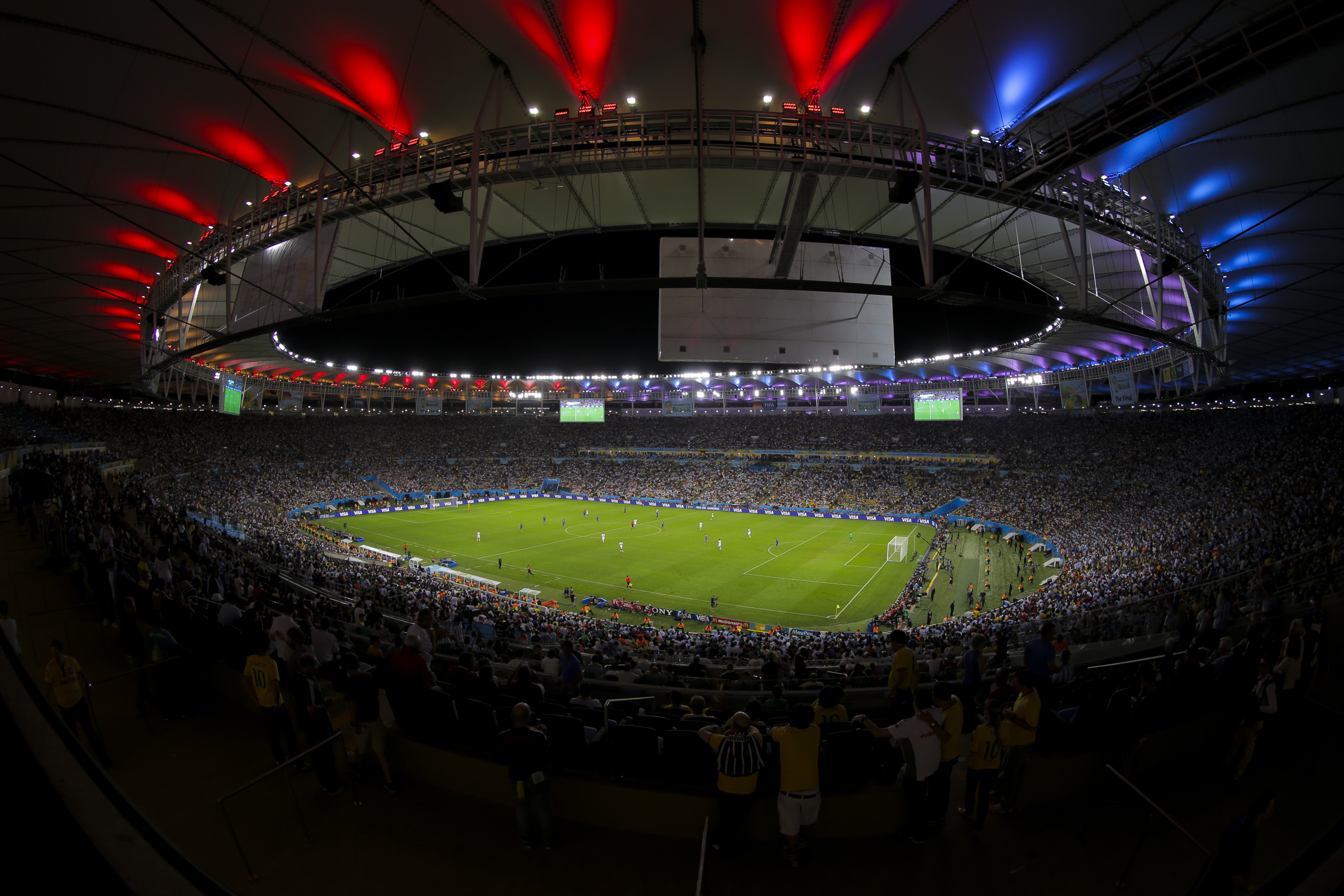
Argentina and Spain will meet in the 2026 FIFA World Cup final this month [1].
The matchup represents a clash between two of the world's most dominant football programs. The outcome will determine which nation claims the global title and cements its current era of tactical superiority.
Forecasting the winner has become a focal point for analysts and technology firms. Various outlets have published AI-driven predictions and expert breakdowns to determine which side holds the advantage heading into the match [1, 2]. These models typically assess current team form and historical head-to-head records to project a likely victor [3, 4].
Betting markets show a divide in expectations. Yahoo Sports said Spain is currently favored over Argentina to win the final [3]. This shift follows a series of performances that have positioned Spain as a primary contender for the title [5].
However, other analysts suggest the result is far from certain. Fox Sports said Argentina possesses the capability to win again and defeat Spain in the championship [4]. The Argentine squad's experience in high-stakes tournament play remains a significant factor in these projections.
As the date of the final approaches, the sporting world remains split between the momentum of the Spanish side and the proven resilience of the Argentine team [1, 6]. Both squads have navigated the semifinals to earn their place in the tournament's deciding game.
“Argentina and Spain will meet in the 2026 FIFA World Cup final this month.”
The final pits a rising Spanish powerhouse against an established Argentine dynasty. While betting odds and AI models currently lean toward Spain's tactical momentum, Argentina's history of success in deep tournament runs creates a volatile projection. This match is not just a battle for a trophy, but a definitive test of whether the current global hierarchy in football has shifted toward Europe or remains anchored in South America.