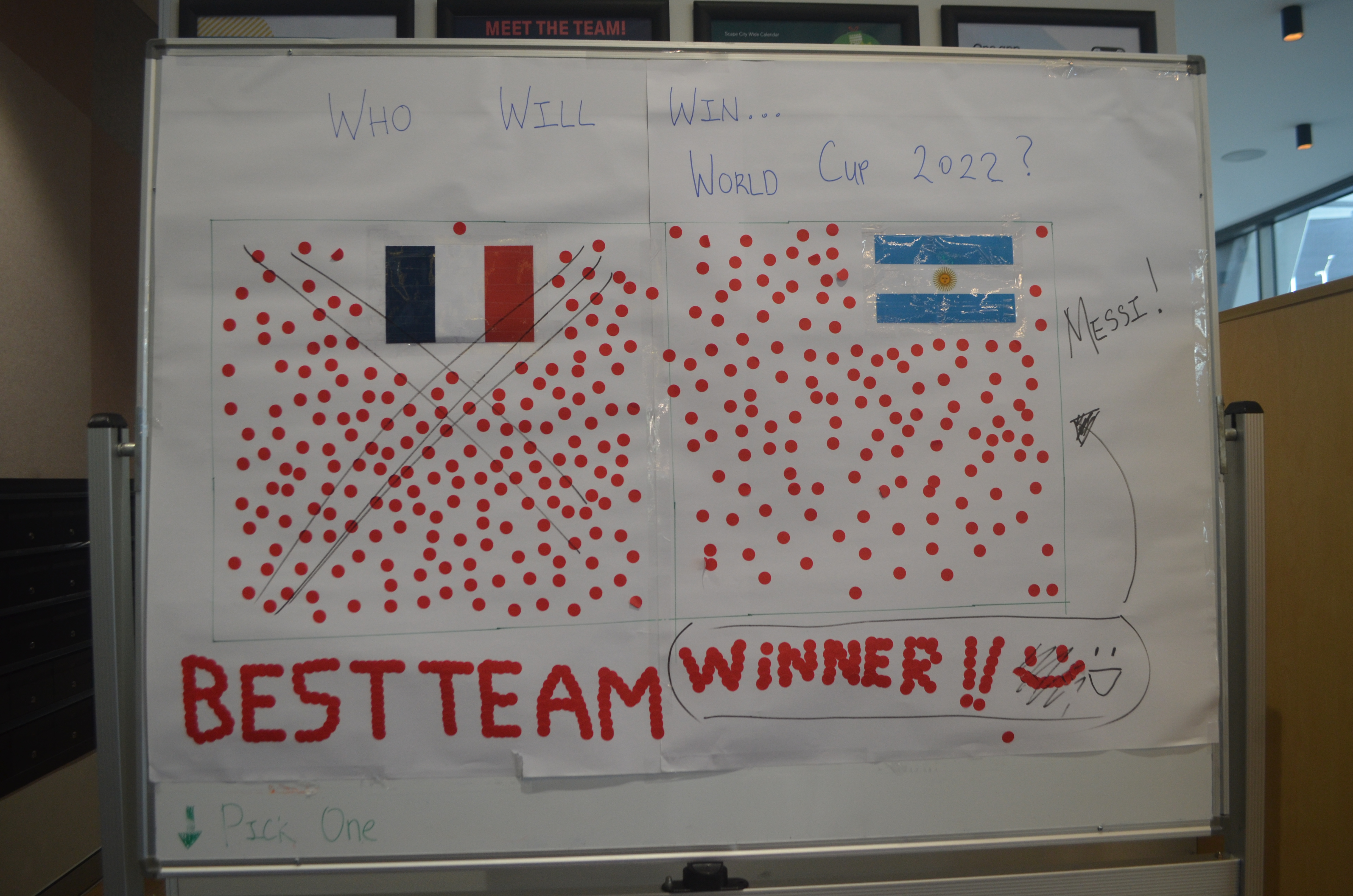
Argentina enters the 2026 [1] FIFA World Cup as defending champions seeking to win consecutive titles.
This pursuit represents a rare opportunity in international football to secure back-to-back championships. For the Argentine squad, the tournament is not only a sporting challenge but a matter of national expectation and cultural identity.
Led by star player Lionel Messi and manager Lionel Scaloni, the team is competing in a tournament hosted across the U.S., Canada, and Mexico [1, 2]. The squad arrives with the momentum of their 2022 [3] victory, though three and a half years [4] have passed since that triumph.
The pressure to perform is compounded by the deep-rooted nature of Argentine football culture. This includes the practice of *cábala*, specific rituals and superstitions that players and fans believe link personal habits to on-field success [5]. These traditions often accompany the team during high-stakes matches to ensure stability and luck.
Argentina's path to the final requires navigating a rigorous group stage and knockout bracket against global competitors. The team's objective is to maintain the dominance established during the previous cycle while integrating new talent around the veteran leadership of Messi [2].
While the technical skill of the roster is undisputed, the mental burden of defending a title is significant. The team must balance the tactical discipline instilled by Scaloni with the emotional weight of a nation expecting a repeat of the 2022 [3] glory.
“Argentina enters the 2026 FIFA World Cup as defending champions seeking to win consecutive titles.”
Winning consecutive World Cups is one of the most difficult achievements in sports due to the four-year gap between tournaments and the intense target placed on the defending champion. Argentina's reliance on both tactical continuity under Scaloni and cultural rituals suggests a strategy that blends modern sports science with traditional psychological anchors to manage the pressure of a global stage.


