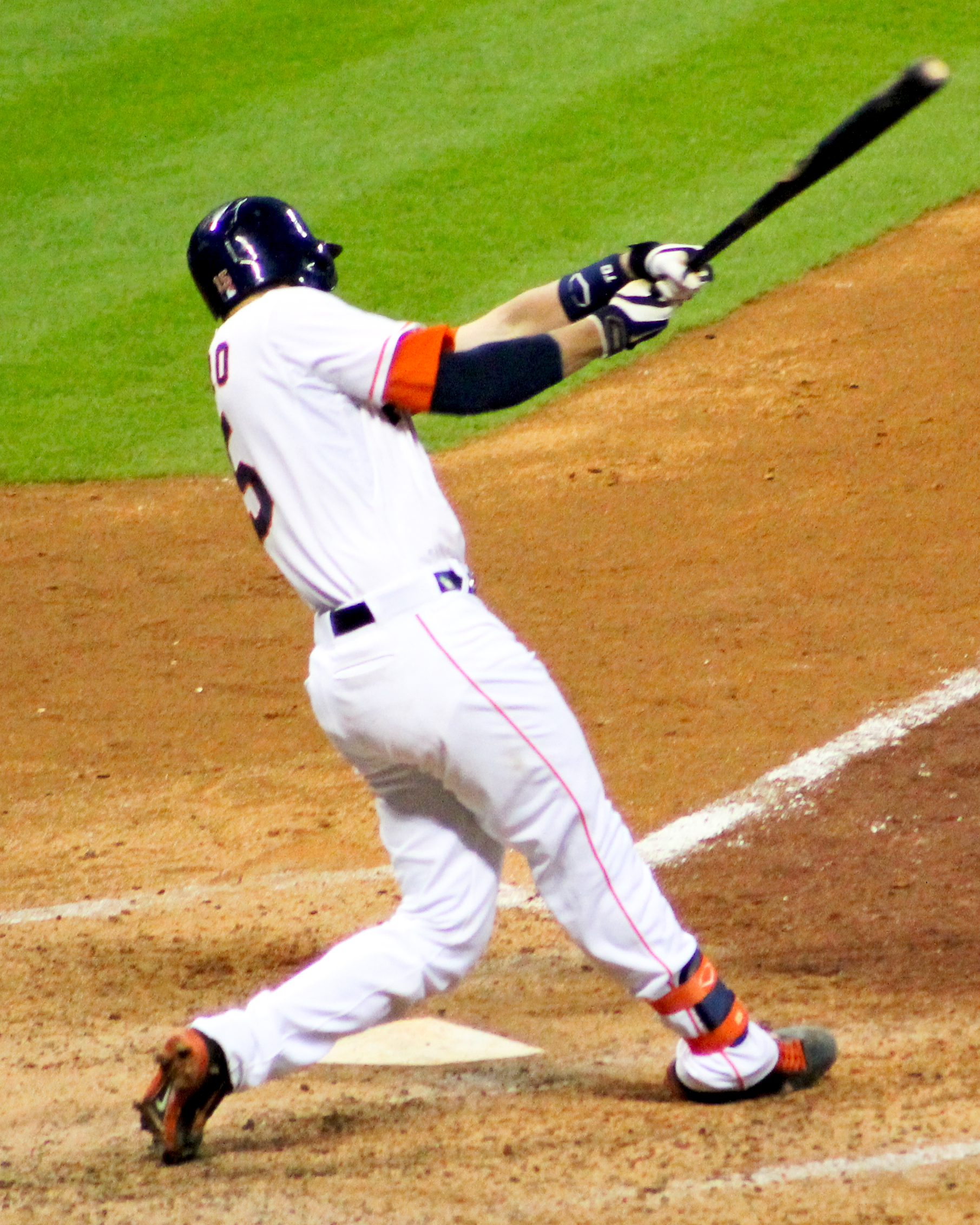
Seattle Mariners outfielder Randy Arozarena used both of the team's automated ball-strike challenges during the first inning of a Saturday night game [1].
The incident highlights the strategic risks and potential ambiguities associated with the league's automated ball-strike (ABS) challenge system. Because teams have a limited number of challenges per game, exhausting them early leaves a roster vulnerable to missed calls for the remaining eight innings.
Arozarena attempted to challenge ball-strike calls early in the contest, resulting in the Mariners using two challenges in the first inning [1]. The rapid depletion of these resources occurred during a home game in Seattle. While reports on the specific opponent vary between the Cleveland Guardians and the Toronto Blue Jays, the outcome for the Mariners remained the same [1, 3].
The Mariners were shut out in the game, finishing with zero runs scored [3]. The failure to produce offense coincided with the loss of their ability to contest umpire decisions via the ABS system for the rest of the night.
League officials and analysts said the Arozarena situation is a case study in the frictions of the new system. The ABS challenge is designed to provide a check on human error, but the current rules allow a single player to deplete the entire team's quota in a matter of minutes [1, 2]. This creates a tension between individual player aggression at the plate, and the collective strategic needs of the team.
“Randy Arozarena used both of the team's automated ball-strike challenges during the first inning”
This event underscores a critical flaw in the current implementation of the ABS challenge system, where individual player decisions can strip a team of its primary recourse for correcting strike-zone errors. As MLB continues to integrate automated technology, the league may face pressure to adjust how challenges are allocated—perhaps by assigning them per player or increasing the limit—to prevent a single inning from dictating the technical landscape of the entire game.