
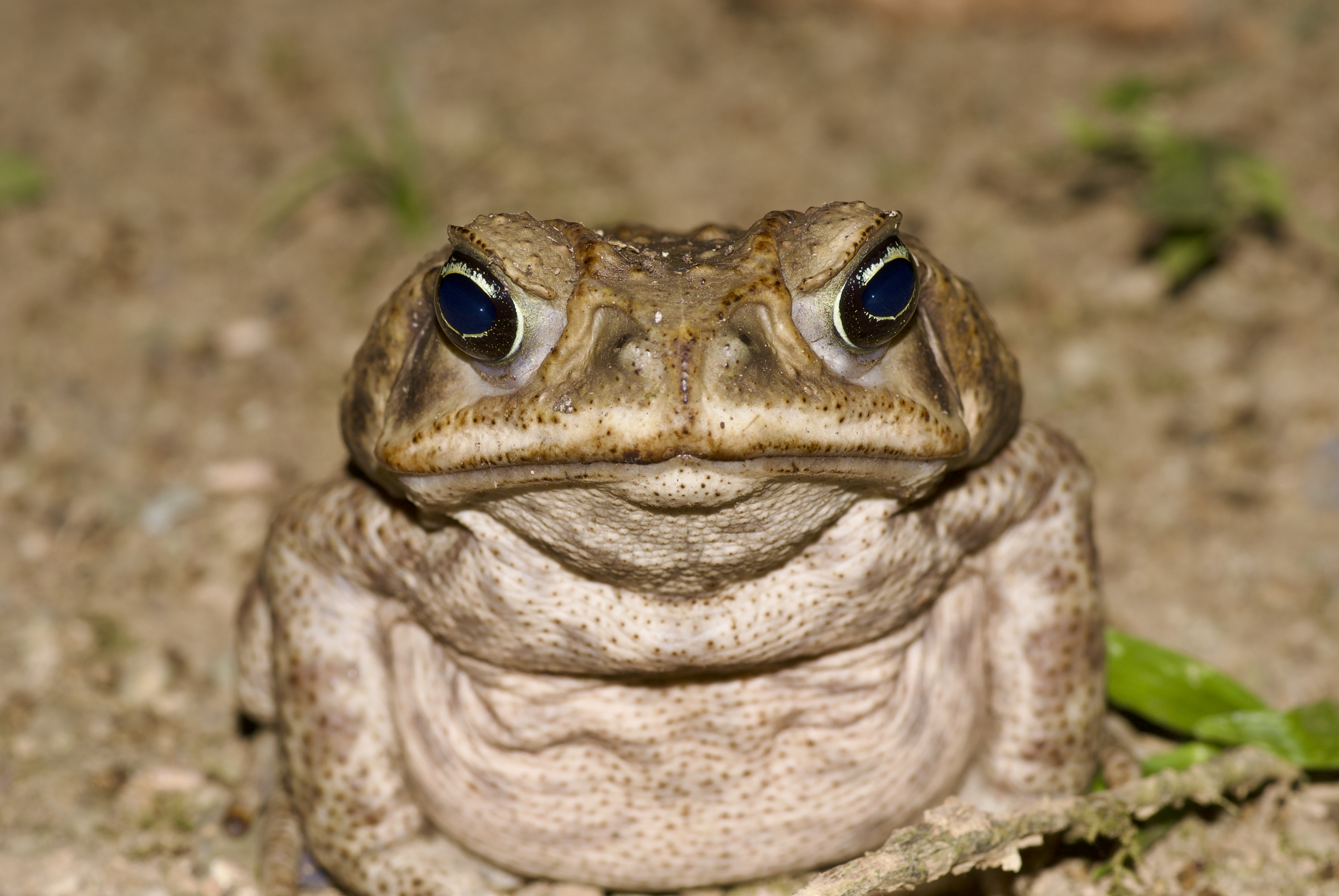
The broadcaster ARTE released a documentary titled "Darwin express: Les nouveaux défis de l'évolution" highlighting recent discoveries in evolutionary biology [1].
These findings are significant because they illustrate how scientific understanding of evolution is being reshaped by observed biological changes in the modern era [1].
One primary case study featured in the film focuses on the introduction of the cane toad to Queensland, Australia. The species was introduced to the region in 1935 [2]. Since that time, the cane toad has persisted for approximately 80 generations [2].
Researchers used the Australian bush to demonstrate how species can rapidly adapt to new environments. The documentary also examines biological shifts across other geographies, including the shores of the Canadian Great Lakes, and the prairies of France [1, 2].
By documenting these specific environments, the film presents evidence of evolution occurring on a faster timeline than previously understood. The production emphasizes that the "express" nature of these changes allows scientists to witness evolutionary pressures in real-time rather than relying solely on the fossil record [1].
The documentary is available for rebroadcast until Sept. 12, 2026 [1].
“The cane toad was introduced to Queensland in 1935.”
The focus on 'rapid evolution'—such as the 80-generation adaptation of the cane toad—suggests a shift in biological research toward observing contemporary mutations and behavioral shifts. This challenges the traditional view of evolution as a process requiring millions of years, showing instead that significant biological shifts can occur within a human lifetime when environmental pressures are high.


