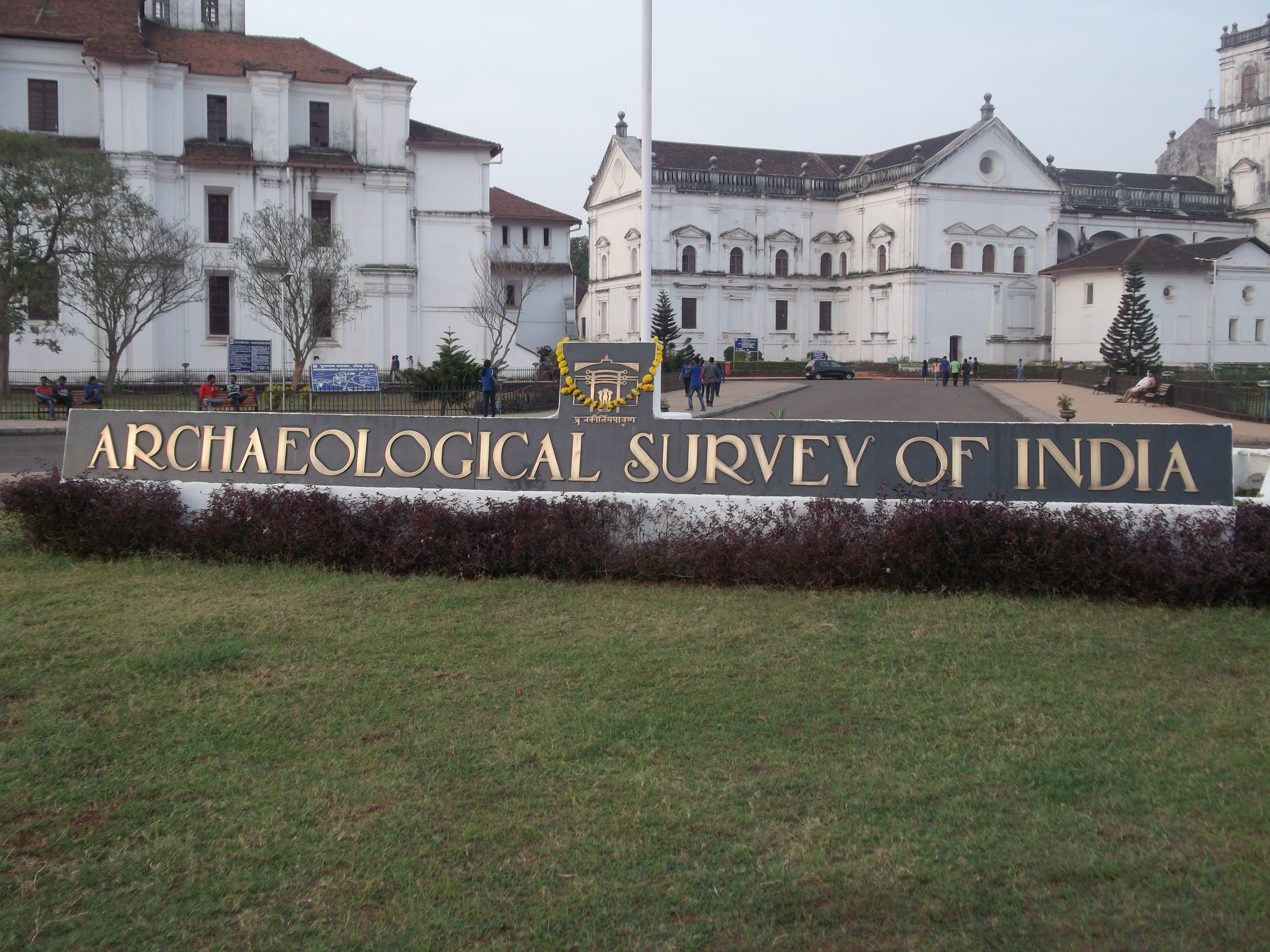
The Archaeological Survey of India has delayed filling 50 assistant archaeologist vacancies since 2024 [1].
This staffing shortage threatens the agency's ability to manage and preserve national heritage sites. A lack of qualified personnel on the ground can lead to diminished oversight of historical monuments and a slowdown in critical excavation projects.
According to reports, the agency currently has 79 vacant posts out of a total sanctioned strength of 150 [2]. This means more than half of the required positions for assistant archaeologists remain empty. The gap has persisted as the recruitment exercise evolved into one of the longest selection processes in the history of the Archaeological Survey of India [1].
Candidates awaiting appointments have expressed feelings of anxiety and helplessness as the timeline for hiring continues to stretch. The delay is attributed to the prolonged nature of the selection process, which has stalled the intake of new professionals into the government body [1, 2].
The Archaeological Survey of India is the primary government agency responsible for archaeological research and the protection of the cultural heritage of India. The continued vacancy of these roles limits the operational capacity of the organization during a period of increased focus on national heritage [1].
“The Archaeological Survey of India has delayed filling 50 assistant archaeologist vacancies since 2024.”
The significant vacancy rate within the Archaeological Survey of India suggests a systemic failure in the federal recruitment pipeline. When more than 50% of a specialized technical workforce is missing, the risk of site degradation and loss of historical data increases, as there are fewer experts to monitor sites and lead scientific inquiries.


