
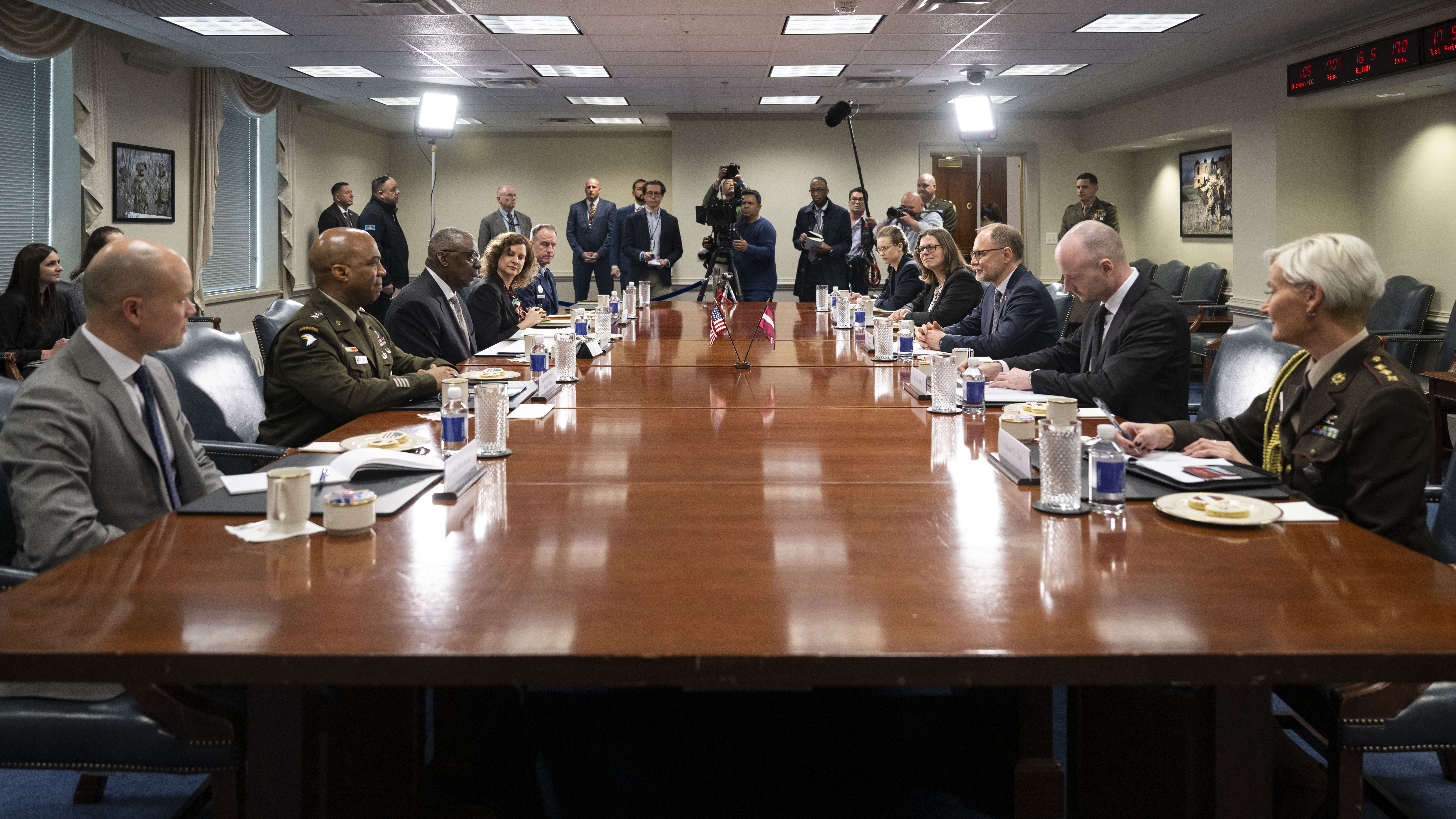
Defence ministers from around the world gathered in Singapore on May 29, 2026, for the region’s largest security conference [1, 2].
The summit serves as a critical venue for managing tensions in the Indo-Pacific. The absence of senior Chinese officials during these high-level security talks complicates efforts to establish direct military communication and transparency between regional powers.
While other nations sent top leadership, China sent only low-key academic delegates [1, 2]. This marks the second consecutive year that China has skipped the summit [1].
U.S. Defence Secretary Pete Hegseth attended the forum to coordinate with international allies. "We will discuss how to strengthen alliances and ensure a free and open Indo‑Pacific, and I look forward to working with our partners here in Singapore," Hegseth said [2].
Australian Defence Minister Richard Marles criticized the composition of the Chinese delegation. Marles said that China’s decision to send only academics to Asia’s biggest defence forum is a missed opportunity at a moment when countries need more strategic reassurance from Beijing [1].
The forum aims to address security challenges and foster cooperation among Asia-Pacific nations. However, the lack of senior Chinese representation limits the potential for diplomatic breakthroughs, or the mitigation of military misunderstandings in the region [1, 2].
“China’s decision to send only academics to Asia’s biggest defence forum is a missed opportunity”
The continued absence of senior Chinese military leadership at the region's premier security forum signals a deepening diplomatic freeze. By substituting ministers with academics, Beijing avoids the political risks of direct negotiation while maintaining a minimal presence. This trend reinforces the U.S.-led effort to strengthen alternative security alliances in the Indo-Pacific to compensate for the lack of a comprehensive regional security architecture that includes China.


