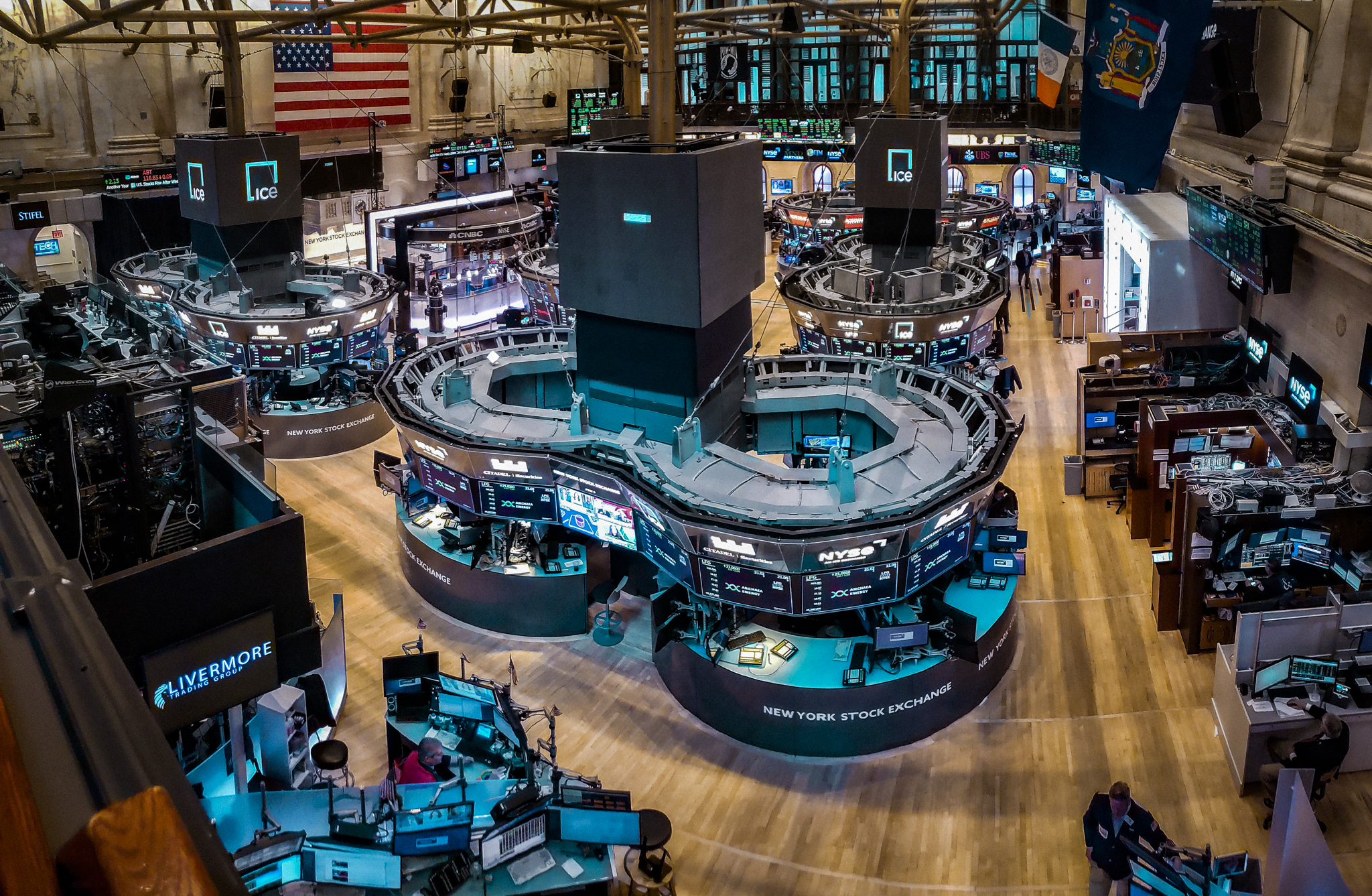
Asia-Pacific markets traded mixed on Friday as a slump in chip stocks weighed on investor sentiment [1].
This volatility reflects a broader shift in global risk appetite. Investors are currently rotating out of technology stocks and tracking declines in the U.S. market, signaling a potential cooling of the tech-driven growth that has dominated recent years.
Market participants are closely monitoring geopolitical instability, specifically uncertainty surrounding the war and peace negotiations involving Iran [2]. These tensions have created a cautious environment for traders in the region, who are balancing the risk of escalation against the hope for a diplomatic resolution.
Earlier this month, the trend of mixed trading was already evident. On Tuesday, June 2, Asia-Pacific markets showed similar instability [2]. During that period, the sentiment was influenced by a combination of sector-specific declines and broader macroeconomic pressures.
Trump said, "I don't care if they're over" [2]. This remark coincided with the period of market uncertainty in early June, highlighting the political volatility that often accompanies these financial fluctuations.
The current chip slump is particularly impactful given the region's heavy reliance on semiconductor manufacturing. As investors move away from high-growth tech assets, the impact is felt across major indices, including the Nikkei 225 and Hang Seng [2]. The mixed results across the region suggest that while some sectors remain resilient, the technology drag continues to limit overall gains [1].
“Asia-Pacific markets traded mixed on Friday as a slump in chip stocks weighed on investor sentiment.”
The mixed performance of Asia-Pacific markets indicates a transition from aggressive growth strategies to a more defensive posture. The combination of a semiconductor downturn and geopolitical instability involving Iran suggests that investors are prioritizing stability over the high-risk, high-reward nature of the tech sector.
'%2F%3E%0A%20%20%20%20%3Crect%20width%3D'1600'%20height%3D'900'%20fill%3D'url(%23v)'%2F%3E%0A%20%20%20%20%3Cg%20opacity%3D'0.08'%20fill%3D'%23ffffff'%3E%0A%20%20%20%20%20%20%3Ccircle%20cx%3D'1420'%20cy%3D'180'%20r%3D'220'%2F%3E%0A%20%20%20%20%20%20%3Ccircle%20cx%3D'1500'%20cy%3D'760'%20r%3D'120'%2F%3E%0A%20%20%20%20%3C%2Fg%3E%0A%20%20%20%20%3Cline%20x1%3D'80'%20y1%3D'172'%20x2%3D'220'%20y2%3D'172'%20stroke%3D'%23ffffff'%20stroke-width%3D'3'%20stroke-opacity%3D'0.6'%2F%3E%0A%20%20%20%20%3Ctext%20x%3D'80'%20y%3D'140'%20font-family%3D'Inter%2C%20-apple-system%2C%20Helvetica%2C%20sans-serif'%20font-weight%3D'700'%20font-size%3D'28'%20fill%3D'%23ffffff'%20letter-spacing%3D'6'%3EHANNA%20%C2%B7%20NEWS%3C%2Ftext%3E%0A%20%20%20%20%3Ctext%20x%3D'80'%20y%3D'230'%20font-family%3D'Inter%2C%20-apple-system%2C%20Helvetica%2C%20sans-serif'%20font-weight%3D'600'%20font-size%3D'40'%20fill%3D'%23ffffffb3'%20letter-spacing%3D'4'%3EBUSINESS%3C%2Ftext%3E%0A%20%20%20%20%3Ctext%20x%3D'80'%20y%3D'622'%20font-family%3D'Playfair%20Display%2C%20Georgia%2C%20serif'%20font-weight%3D'800'%20font-size%3D'86'%20fill%3D'%23ffffff'%20letter-spacing%3D'-1'%3EVaishali%20Parekh%20Recommends%3C%2Ftext%3E%3Ctext%20x%3D'80'%20y%3D'721'%20font-family%3D'Playfair%20Display%2C%20Georgia%2C%20serif'%20font-weight%3D'800'%20font-size%3D'86'%20fill%3D'%23ffffff'%20letter-spacing%3D'-1'%3EThree%20Stocks%20Following%20Gift%3C%2Ftext%3E%3Ctext%20x%3D'80'%20y%3D'820'%20font-family%3D'Playfair%20Display%2C%20Georgia%2C%20serif'%20font-weight%3D'800'%20font-size%3D'86'%20fill%3D'%23ffffff'%20letter-spacing%3D'-1'%3ENifty%20Rise%3C%2Ftext%3E%0A%20%20%20%20%3Ctext%20x%3D'80'%20y%3D'870'%20font-family%3D'Inter%2C%20-apple-system%2C%20Helvetica%2C%20sans-serif'%20font-weight%3D'500'%20font-size%3D'22'%20fill%3D'%23ffffff66'%20letter-spacing%3D'2'%3Enews.hanna-ai.com%3C%2Ftext%3E%0A%20%20%3C%2Fsvg%3E)