The Australian share market was expected to open lower this week, with index futures falling approximately 0.6 percent [1].
This divergence suggests that global geopolitical tensions and energy costs are currently outweighing the positive momentum from the U.S. technology sector. While Wall Street saw significant gains, Australian investors faced a more cautious environment due to external pressures.
CommSec analyst James Gruber said the anticipated decline occurred despite a positive night on Wall Street. He said that the S&P 500 ended up 1.1 percent [3] and the Nasdaq climbed 1.9 percent [4].
Gruber said the U.S. rally was driven primarily by technology shares, with a specific focus on semiconductors. Intel shares rose 11 percent [5] following a statement from Donald Trump that Apple would assist Intel in designing and building chips within the U.S.
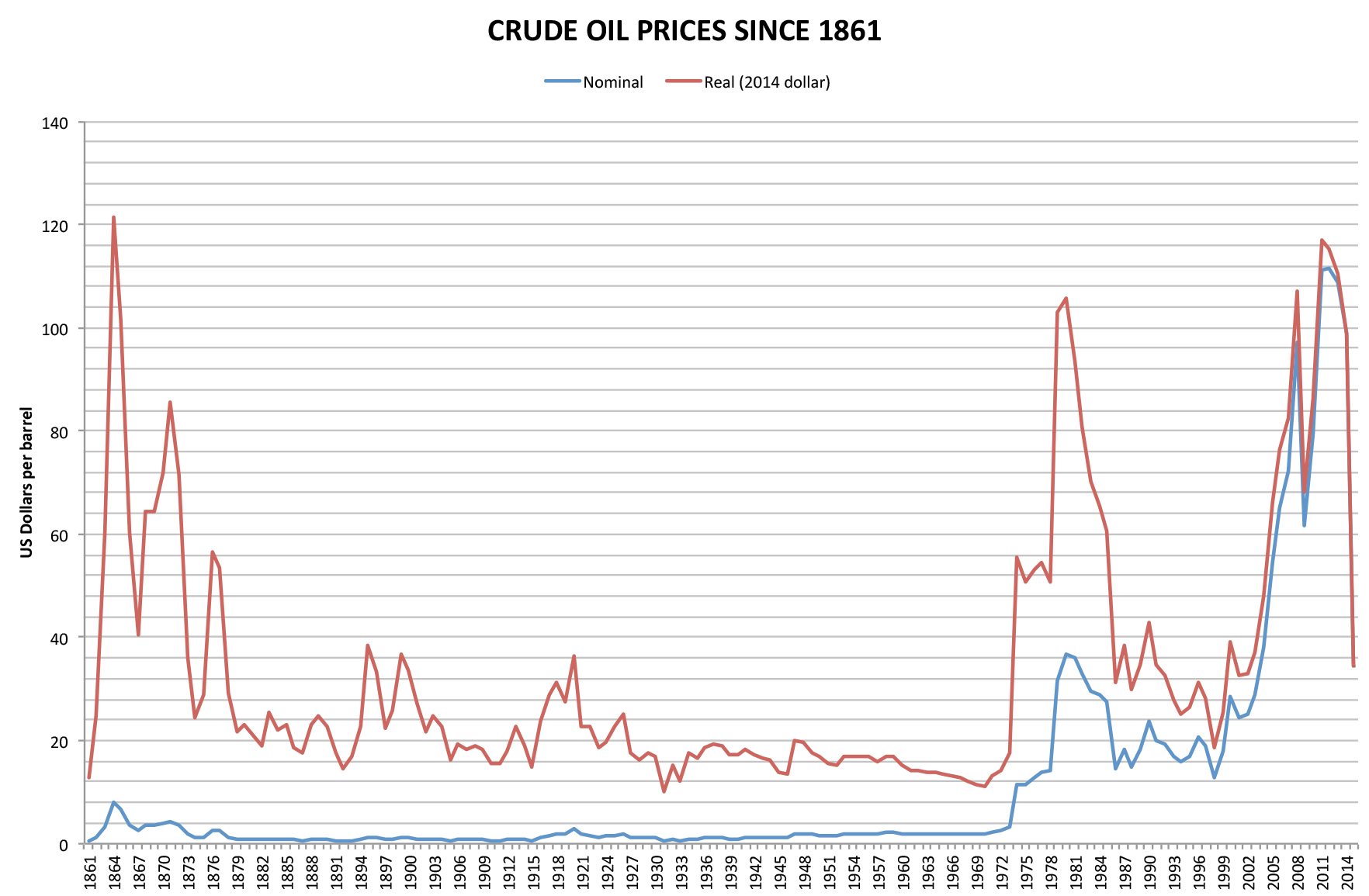
However, other factors limited the impact of the tech surge on the Australian Securities Exchange. Reports indicated that rising oil prices and fading hopes for near-term progress in U.S.-Iran talks pushed markets back into caution [2].
Data from Yahoo Finance showed index futures down 51 points, or 0.57 percent, at 9:45 a.m. AEST [2]. This downward pressure contrasted with some reports from the Australian Financial Review, which suggested the tech rally would send the ASX higher.
Despite the mixed predictions at the opening bell, some live coverage from The Australian reported that the ASX 200 eventually closed down 1.1 percent.
“The ASX is set for a weaker open... as rising oil prices and fading hopes of near‑term progress in US‑Iran talks push markets back into caution.”
The disconnect between the U.S. tech rally and the Australian market highlights a vulnerability in the ASX to commodity price volatility and geopolitical instability. While semiconductor growth provides a tailwind, the immediate impact of oil price hikes and diplomatic stagnation in the Middle East creates a risk-off sentiment that can neutralize gains from the technology sector.


